
Overview
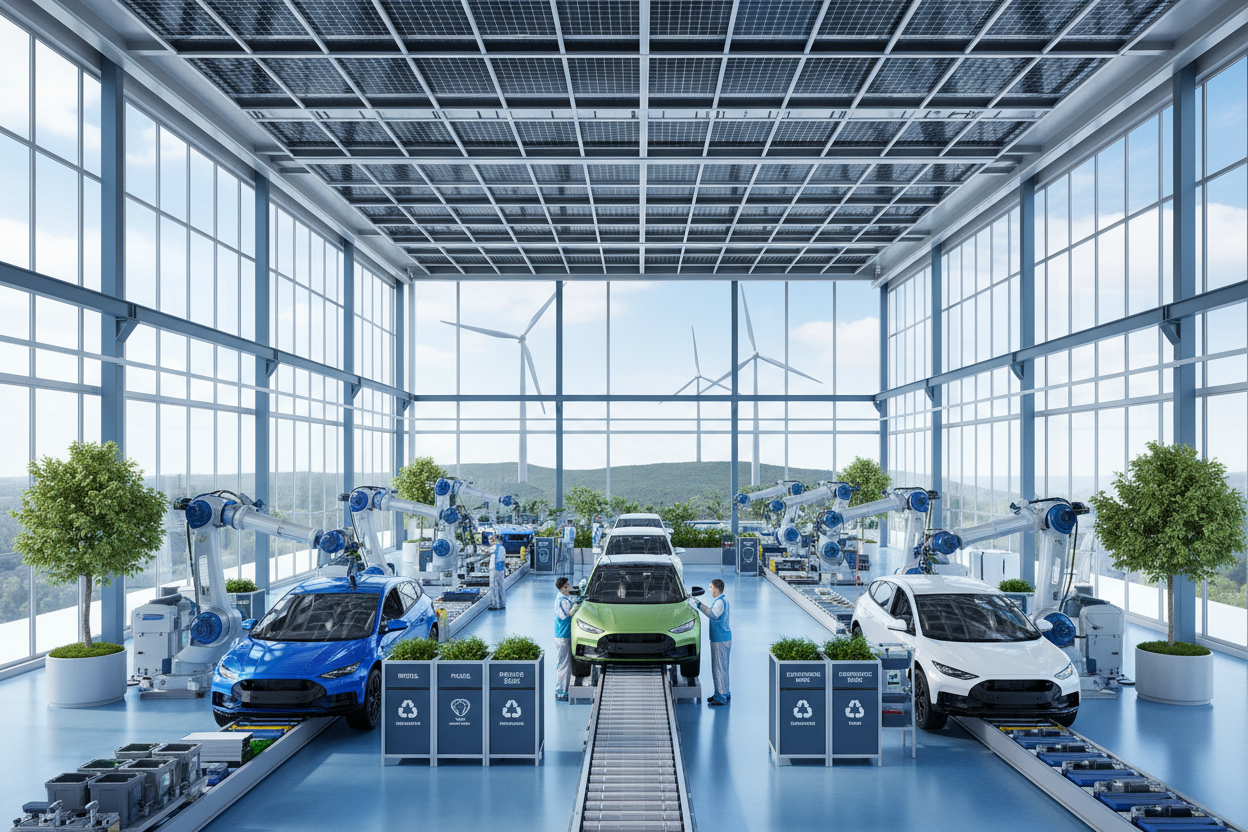
The automotive industry is evolving towards sustainability in response to environmental concerns and consumer demand. Manufacturers are adopting eco-friendly materials, energy-efficient production methods, and implementing recycling programs. Collaboration among stakeholders and adherence to regulatory standards are crucial for advancing sustainable practices. Consumers also play a vital role by choosing sustainable brands and maintaining their vehicles to extend their lifespan. The shift towards sustainability offers opportunities for innovation and contributes to a healthier planet.
Table of Contents
- The Importance of Sustainability in Automotive Manufacturing
- Innovative Materials in Car Manufacturing
- Biodegradable Plastics
- Recycled Metals
- Natural Fibers
- Energy-efficient Production Processes
- Renewable Energy Sources
- Advanced Manufacturing Technologies
- Efficient Supply Chain Management
- End-of-Life Vehicle Management
- Recycling Programs
- Second-life Applications
- Collaborative Sustainability Initiatives
- Industry-wide Sustainability Standards
- Innovation Hubs
- Consumer Awareness and Responsibility
- Choosing Sustainable Brands
- Promoting Lifespan and Maintenance
- Regulatory Impact on Sustainable Car Manufacturing
- Emissions Regulations
- Incentives for Sustainable Practices
- Driving Towards a Greener Future
Frequently Asked Questions
1. What is the significance of sustainability in automotive manufacturing?
2. What innovative materials are being used in car manufacturing to promote sustainability?
3. How are energy-efficient production processes contributing to sustainability in car manufacturing?
4. What happens to vehicles at the end of their lifespan in terms of sustainability?
5. How can consumers contribute to sustainability in the automotive industry?
The automotive industry is at a pivotal juncture, aiming to balance the demands of modern consumers with the pressing need for sustainability. As environmental concerns continue to mount, car manufacturers are adopting innovative practices to ensure they are doing their part in preserving the planet. From eco-friendly materials to energy-efficient production methods, the transition towards sustainability in car manufacturing is not just a trend; it's a necessary evolution.
The Importance of Sustainability in Automotive Manufacturing
As car ownership expands globally, the environmental impact of car manufacturing becomes increasingly significant. Traditional manufacturing processes are resource-intensive and often release harmful pollutants. Sustainable practices in car manufacturing address these issues by minimizing waste, reducing emissions, and using renewable resources. Here are some reasons why adopting sustainable practices is vital:
- Environmental Protection: Utilizing sustainable methods helps reduce overall carbon emissions and environmental degradation.
- Resource Conservation: Sustainable practices encourage the efficient use of natural resources and promote recycling.
- Consumer Demand: Today's consumers are more environmentally conscious and prefer brands that practice sustainability.
- Regulatory Compliance: Governments worldwide are introducing stricter regulations regarding emissions and environmental standards.
- Long-term Cost Savings: Sustainable practices can lead to operational efficiencies and cost savings over time.
Innovative Materials in Car Manufacturing
One of the significant shifts towards sustainability in car manufacturing is the use of innovative materials. Car manufacturers are exploring eco-friendly alternatives to traditional materials, significantly reducing the environmental impact of their vehicles.
Biodegradable Plastics
Manufacturers are now using biodegradable plastics derived from natural materials such as corn starch or sugar cane. These materials not only reduce reliance on fossil fuels but also decompose more easily in landfills, contributing to a decrease in plastic pollution.
Recycled Metals
Recycling metals like aluminum and steel has become a common practice. Aluminum, for instance, can be recycled indefinitely without losing its properties. This not only cuts down on mining and refining processes but also requires significantly less energy, reducing carbon emissions in the process.
Natural Fibers
Natural fibers, like hemp or bamboo, are increasingly used in interior car components. These materials are lightweight, durable, and require less energy to produce than synthetic alternatives, making them ideal for eco-friendly car manufacturing.
Energy-efficient Production Processes
The production phase of car manufacturing has a substantial carbon footprint. However, many manufacturers are turning to energy-efficient methods to mitigate this impact. Here are a few techniques employed:
Renewable Energy Sources
Manufacturers are increasingly investing in renewable energy sources such as solar, wind, and geothermal energy to power their production plants. Transitioning to these energy sources helps reduce reliance on fossil fuels and lowers greenhouse gas emissions significantly.
Advanced Manufacturing Technologies
The implementation of advanced technologies like 3D printing is transforming manufacturing. This method not only speeds up the production process but also minimizes waste by using only the materials needed for each component.
Efficient Supply Chain Management
Adopting a streamlined supply chain can significantly cut down on energy consumption and waste. Manufacturers are now collaborating with suppliers who prioritize sustainable practices, ensuring that every step of the production process aligns with environmental goals.
End-of-Life Vehicle Management
As cars reach the end of their lifespan, sustainable practices continue to play a vital role. End-of-life vehicle (ELV) management focuses on recycling and repurposing as many materials as possible. Here’s how the industry is tackling this challenge:
Recycling Programs
Many manufacturers are implementing recycling programs to recover valuable materials from old vehicles. Programs designed to promote recycling help divert waste from landfills while recovering metals, plastics, and other components that can be reused in new car production.
Second-life Applications
The industry is not just focused on recycling; it’s also exploring second-life applications for car components. For example, electric vehicle batteries can be reused in stationary energy storage systems, helping to reduce waste and promote a circular economy.
Collaborative Sustainability Initiatives
Collaboration is key to advancing sustainability within the automotive industry. Car manufacturers are joining forces with governments, NGOs, and other organizations to establish standards and share best practices. Some collaborative efforts include:
Industry-wide Sustainability Standards
Creating industry-wide sustainability standards helps unify efforts and ensures all manufacturers are accountable for their environmental impact. This fosters transparency and encourages continuous improvement across the sector.
Innovation Hubs
Several manufacturers are establishing innovation hubs to foster research and development in sustainable technologies. These hubs bring together engineers, scientists, and industry leaders to explore new ways of manufacturing cars while addressing environmental challenges.
Consumer Awareness and Responsibility
The push for sustainability doesn’t rest solely on manufacturers. Consumers play a pivotal role in driving the automotive industry towards eco-friendliness. Being informed about the sustainability practices of car manufacturers enables consumers to make responsible purchasing decisions.
Choosing Sustainable Brands
When it comes to buying a vehicle, researching brands that prioritize sustainability can lead to more environmentally conscious choices. Consumers should look for brands that are transparent about their practices and demonstrate a commitment to reducing their carbon footprint.
Promoting Lifespan and Maintenance
Consumers can significantly impact sustainability by maximizing the lifespan of their vehicles through proper maintenance. Regular servicing not only enhances a car's performance but also reduces the need for frequent replacements, thus decreasing waste.
Regulatory Impact on Sustainable Car Manufacturing
Government regulations are increasingly steering the automotive industry toward sustainable practices. As policymakers implement stricter environmental standards, manufacturers must adapt to remain compliant.
Emissions Regulations
Many countries have established stringent emissions regulations that mandate manufacturers to limit vehicle emissions. Compliance with these laws often requires manufacturers to invest in cleaner technologies and adopt sustainable practices.
Incentives for Sustainable Practices
In addition to regulations, various governments provide incentives for manufacturers adopting sustainable practices. Financial assistance, tax breaks, and grants can encourage investment in greener technologies and help offset the costs of transitioning to sustainable production methods.
Driving Towards a Greener Future
The car manufacturing industry's shift towards sustainability is already producing tangible benefits. Each step taken by manufacturers, from using sustainable materials to optimizing production processes, contributes toward cleaner air and a healthier planet. As consumers, businesses, and regulators join forces to promote and adopt sustainable practices, the future of car manufacturing looks promising. By supporting brands that prioritize sustainability and maintaining awareness of eco-friendly innovations, we pave the way for not only a greener automotive industry but also a sustainable tomorrow. The path to sustainability is not just a challenge; it's an opportunity for growth, innovation, and a better planet for future generations.
Glossary
| Term | Meaning |
|---|---|
| Sustainability | Practices that meet present needs without compromising future generations. |
| Eco-friendly Materials | Materials that are safe for the environment and reduce ecological impact. |
| Biodegradable Plastics | Plastics that decompose naturally, reducing landfill waste. |
| Recycled Metals | Metals that are reclaimed from old products to reduce mining impacts. |
| Renewable Energy | Energy sourced from natural processes that are continuously replenished. |
| End-of-Life Vehicle (ELV) Management | Practices aimed at recycling and repurposing old vehicles. |
| Collaborative Sustainability Initiatives | Joint efforts by multiple stakeholders to promote sustainable practices. |
| Consumer Awareness | Understanding and recognizing the sustainability practices of brands. |
| Emissions Regulations | Government rules limiting the amount of pollutants vehicles can emit. |
| Incentives | Financial benefits offered to encourage sustainable practices among manufacturers. |