
Frequently Asked Questions
1. What are the main technological advancements in the automotive industry?
2. How do connected cars enhance the driving experience?
3. What impact does electrification have on the automotive industry?
4. What technologies support autonomous driving?
5. How is the automotive industry promoting sustainability?
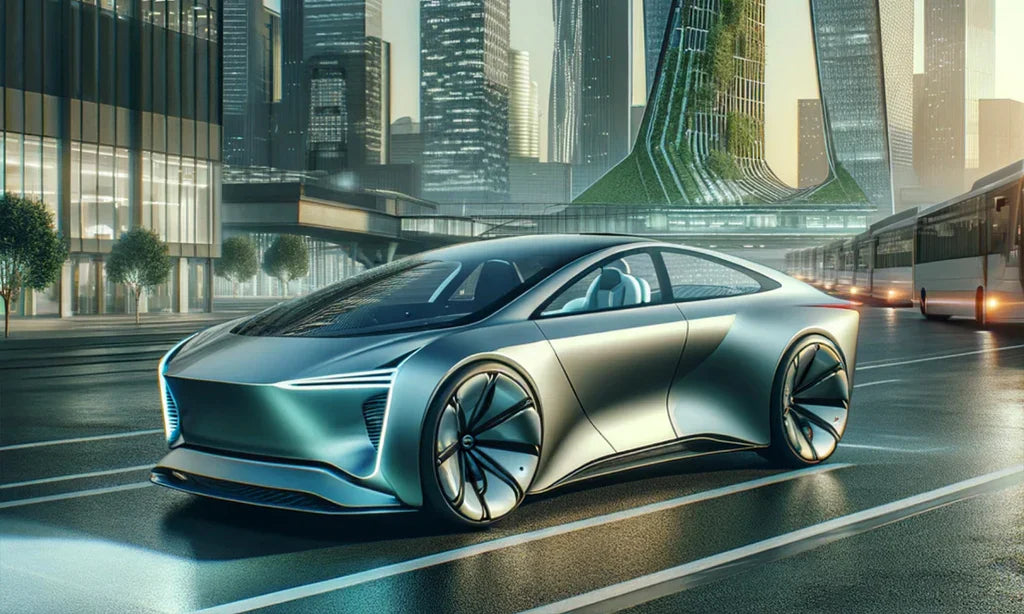
The automotive industry is experiencing a transformative period driven by unprecedented advancements in technology. As we witness the convergence of connectivity, electrification, and automation, it's clear that the future of cars is being shaped by innovations previously thought to be mere fantasies. Let's delve into how these technologies are redefining our driving experiences, enhancing safety, and creating a sustainable future.
The Advent of Smart Vehicles
Smart technology is at the forefront of automotive innovation. Modern cars are now equipped with a plethora of sensors and devices that allow them to collect and process data. This intelligent technology not only improves functionalities but also provides a seamless experience for drivers and passengers alike.
Connected Cars: The New Age of Mobility
Connected cars utilize the Internet of Things (IoT) to improve communication with their surroundings. Imagine a vehicle that can communicate with your smartphone or the traffic infrastructure. This connectivity enables real-time updates on traffic conditions, weather, and even potential hazards on your route. Gone are the days of simple navigation systems; today’s cars send and receive data that enhances every aspect of your driving experience.
- Integration with smartphones for hands-free communication
- Real-time traffic updates to optimize routes
- Over-the-air software updates for improved functionalities
Electrification: A Sustainable Future
As environmental concerns rise, the push towards electrification in the automotive sector becomes increasingly critical. Electric vehicles (EVs) are not just alternatives; they are paving the way toward a sustainable future.
The Rise of Electric Vehicles
With manufacturers developing robust electric models, the infrastructure for charging electric cars is also expanding rapidly. Innovations in battery technology are enhancing battery life, reducing charge times, and improving vehicle range. As more consumers embrace EVs, the shift toward electric mobility becomes significant.
Autonomous Driving: The Future of Transportation
One of the most talked-about trends in automotive technology is autonomous vehicles. As we approach the era of self-driving cars, the implications for safety and efficiency are tremendous.
The Technology Behind Autonomous Driving
Autonomous vehicles employ a combination of sensors, cameras, and artificial intelligence to navigate without human intervention. The technology is designed to ensure that vehicles can safely interact with other cars and obstacles in their environment.
- Advanced Driver Assistance Systems (ADAS) include features like lane keeping and adaptive cruise control.
- Machine learning allows vehicles to learn from their surroundings and continuously improve.
- Safety improvements as the technology aims to reduce human error, the leading cause of road accidents.
Sustainable Practices and the Circular Economy
The automotive industry is also recognizing the importance of sustainable practices, from production processes to the lifecycle of vehicles. The transition to greener manufacturing processes and materials is compatible with the growing emphasis on sustainability in consumer choices.
From Manufacturing to Recycling
Many manufacturers are focusing on eco-friendly materials in vehicle production, as well as more efficient manufacturing processes. In addition, recycling end-of-life cars is becoming increasingly vital in promoting a circular economy, which not only minimizes waste but also conserves resources.
- Utilization of recyclable materials in vehicle design
- Development of electric vehicle batteries that can be reused or recycled
- Commitment to reducing carbon footprints during manufacturing
Transforming User Experience with Technology
As we look ahead, the user experience in cars is bound to evolve dramatically due to technological enhancements. From in-car entertainment systems to personalized driving experiences, technology is at the heart of this transformation.
Infotainment and Connectivity
Modern cars are equipped with sophisticated infotainment systems that offer drivers and passengers unprecedented control. Smartphones are seamlessly integrated into these systems, allowing easy access to music, navigation, and various apps, fostering a more enjoyable driving experience.
- Voice-activated controls for hands-free operation
- Integrated navigation services that adapt to driver preferences
- Personalized driving settings that remember user profiles
The Role of Data in Automotive Innovation
Data is a powerful tool driving innovations across various industries, and the automotive sector is no exception. Manufacturers are leveraging vast amounts of data to enhance vehicle performance, safety, and customer experience.
Data-Driven Insights for Better Designs
Through the analysis of data collected from various sensors and user interactions, manufacturers can refine designs, improve features, and boost overall performance. The continuous feedback loop ensures that vehicles evolve to meet the demands of modern drivers.
- Predictive maintenance based on real-time analysis of vehicle performance
- Enhanced safety features developed from accident data
- Customization of vehicles based on user preferences and behavior insights
Challenges and Opportunities Ahead
While the prospects for the automotive industry seem bright with technology at the helm, challenges remain. Issues such as cybersecurity risks, regulatory barriers, and consumer acceptance of new technologies need thoughtful consideration.
Embracing the Future: Are We Ready?
As the industry continues to innovate, it is vital for manufacturers and consumers alike to embrace change. The future of cars promises to be exhilarating, with technology breaking barriers and setting new standards. Together, we can navigate the obstacles ahead and create a safer, more efficient, and sustainable automotive landscape.
Your Drive into Tomorrow Starts Today!
In essence, technology is revolutionizing the automotive industry, paving the way for a future steeped in innovation and sustainability. As consumers, staying informed and adapting to these changes will enhance our driving experiences and contribute to a more responsible automotive culture. Let's gear up for an exciting ride into the future of cars, where technology not only enhances our journeys but changes the way we think about mobility itself.