
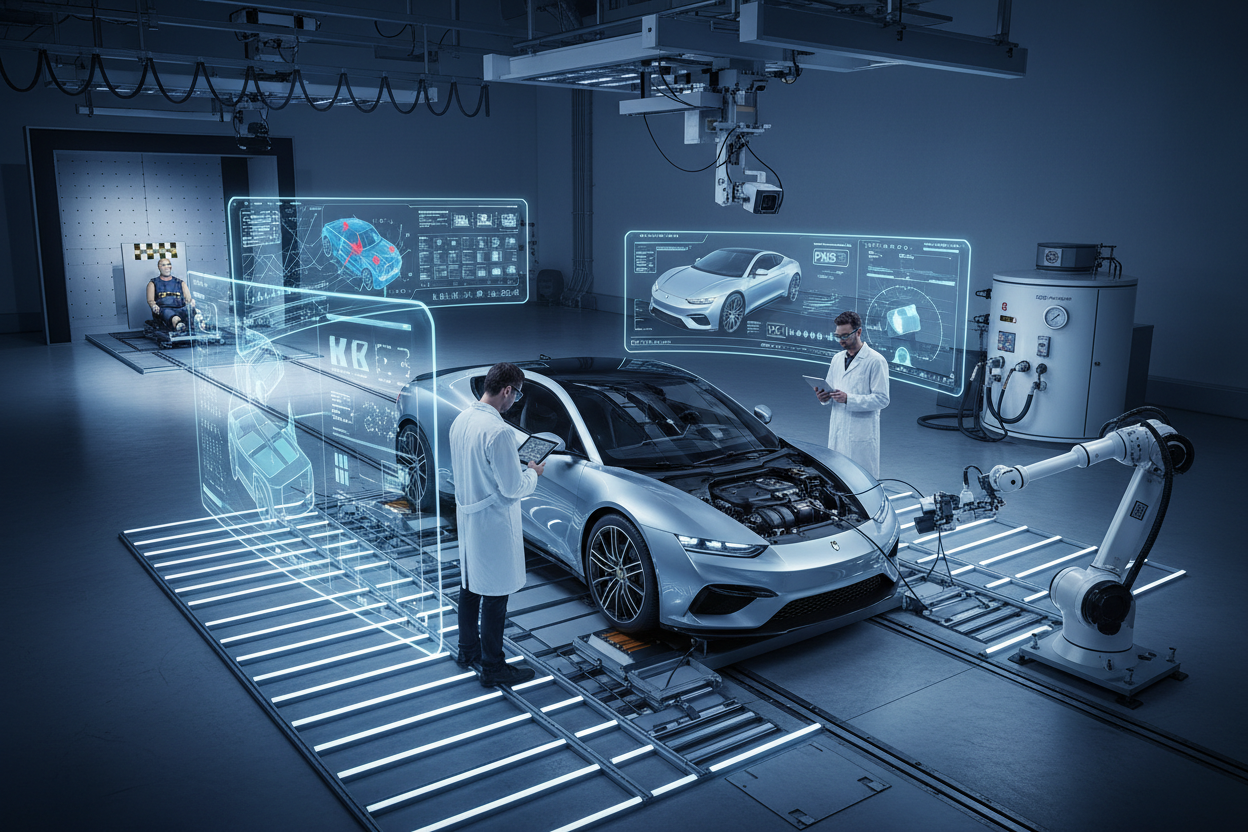
Overview
- Automotive technology is evolving, necessitating rigorous testing and quality assurance (QA) for safety, performance, and consumer trust.
- Testing processes include component testing, system integration, vehicle-level testing, and compliance testing.
- Quality assurance optimizes manufacturing processes and fosters continuous improvement through data-driven decisions.
- Challenges include the complexity of modern vehicles, time constraints, and cost management.
- Future trends involve advanced testing technologies, increased focus on cybersecurity, and automation/AI integration in testing practices.
Frequently Asked Questions
1. Why is testing essential in automotive technology?
2. What are the main stages of the automotive testing process?
3. How does quality assurance enhance automotive technology?
4. What challenges do testing and quality assurance face in the automotive industry?
5. What is the future of testing and QA in automotive technology?
In the rapidly evolving world of automotive technology, ensuring that every component and system operates flawlessly is paramount. As vehicles become more advanced, integrating software and electronic systems, testing and quality assurance (QA) measures have grown increasingly important. This blog delves into the critical aspects of testing and QA in automotive tech, emphasizing their significance for safety, performance, and consumer satisfaction.
The Evolution of Automotive Technology
Automotive technology has transformed from basic mechanical systems to sophisticated electronics and software-driven interfaces. Innovations such as autonomous driving, advanced driver-assistance systems (ADAS), and electric vehicles (EVs) have redefined what modern vehicles can do. However, with these advancements comes the responsibility of ensuring their reliability through rigorous testing and quality assurance.
Why Testing is Essential in Automotive Tech
Testing is not just a formality; it is a vital process that ensures safety, functionality, and durability. Here’s why:
- Safety Assurance: Vehicles are complex machines that must perform safely under various conditions. Testing identifies potential malfunction risks that could endanger lives.
- Performance Validation: Thorough testing ensures that vehicles perform as intended, meeting both manufacturer specifications and consumer expectations.
- Regulatory Compliance: Automakers must adhere to numerous industry regulations and standards. Effective testing ensures compliance with legal requirements, avoiding costly penalties.
- Consumer Trust: By prioritizing rigorous testing protocols, manufacturers can build trust with consumers, showcasing their commitment to quality and safety.
The Testing Process: A Step-by-Step Guide
The testing process in automotive technology encompasses various stages, each designed to evaluate different aspects of vehicle performance and safety. Here’s a breakdown of the main steps involved:
1. Component Testing
Every part of a vehicle must undergo individual testing to ensure its reliability. This includes:
- Material Testing: Evaluating materials for strength, durability, and resistance to wear and corrosion.
- Electrical Testing: Assessing wiring, connectors, and sensors for electrical integrity.
- Mechanical Testing: Testing components like brakes and suspension for mechanical performance and durability.
2. System Integration Testing
Once individual components are tested, it’s crucial to assess how they work together. This includes:
- Interoperability Tests: Ensuring that electronic systems can communicate effectively, especially in vehicles with advanced infotainment and navigation systems.
- Safety Systems Testing: Evaluating systems such as airbags and anti-lock brakes under real-world conditions.
3. Vehicle-Level Testing
Testing at the vehicle level encompasses various environments and scenarios:
- Crash Testing: Simulating collisions to assess safety features and structural integrity.
- Performance Testing: Evaluating the vehicle's handling, speed, braking, and fuel efficiency.
- Environmental Testing: Subjecting vehicles to extreme weather conditions to ensure reliability.
4. Compliance Testing
Vehicles must comply with numerous safety and emissions standards. Compliance testing includes:
- Emissions Testing: Measuring pollutants produced to ensure adherence to local and international regulations.
- Safety Standards Testing: Ensuring vehicles meet or exceed government-mandated safety regulations.
The Role of Quality Assurance
Quality assurance is integral to the testing process, focusing on creating a structured approach to maintain high standards throughout vehicle production. Here’s how QA enhances automotive tech:
1. Process Optimization
QA methodologies help streamline automotive manufacturing processes, ensuring each phase from design to production adheres to strict quality standards. By refining processes, manufacturers can reduce errors and enhance overall efficiency.
2. Continuous Improvement
Effective QA encourages a culture of continuous improvement. By regularly reviewing processes, automakers can identify areas for enhancement, thus increasing product reliability and customer satisfaction.
3. Data-Driven Decisions
Quality assurance relies heavily on data collection and analysis. By applying statistical methods, manufacturers can make informed decisions about product modifications, design changes, and production processes.
Challenges in Testing and Quality Assurance
Despite its importance, testing and QA in automotive tech face several challenges:
1. Complexity of Modern Vehicles
The integration of advanced technologies such as AI, machine learning, and interconnected systems complicates testing. Each advancement introduces new variables, making it essential to develop testing methodologies that can adapt to this complexity.
2. Time Constraints
The automotive industry operates on tight timelines, often pushing manufacturers to expedite the testing process. This rush can lead to oversights, increasing the likelihood of defects.
3. Cost Management
Testing and QA require significant investment in resources, including skilled personnel and testing facilities. Balancing cost-efficiency with stringent testing requirements poses a challenge for many automotive companies.
The Future of Testing and Quality Assurance in Automotive Tech
As automotive tech continues to evolve, so too will testing and QA practices. Here’s what to expect in the coming years:
1. Advanced Testing Technologies
Emerging technologies, including simulation software and artificial intelligence, are revolutionizing how testing is conducted. Virtual testing environments will allow manufacturers to evaluate vehicle performance without the need for physical prototypes.
2. Greater Focus on Cybersecurity
With the rise of connected vehicles, cybersecurity has become a critical concern. Testing protocols will increasingly incorporate cybersecurity measures to safeguard vehicles against potential cyber threats.
3. Automation and AI Integration
The integration of AI into testing practices will streamline the process, enabling quicker identification of defects and enhancing overall product quality.
Final Thoughts: Building Trust Through Rigorous Practices
In the fast-paced world of automotive technology, testing and quality assurance stand as the cornerstones of safety, performance, and trust. Manufacturers must view these practices as investments rather than costs, recognizing that a commitment to quality leads to better products and happier consumers. By embracing advanced technologies and methodologies, they can navigate the challenges ahead, ensuring that every vehicle that leaves the production line is a testament to reliability and excellence. As consumers, awareness of these rigorous testing processes fosters a deeper trust in the vehicles we rely on daily. Emphasizing safety and quality not only enhances experiences but also serves as a foundation for the future of automotive innovation.