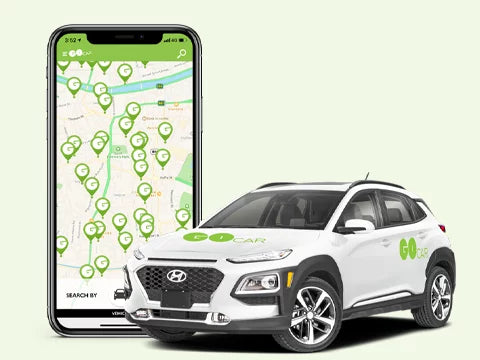
Over the past decade, the rise of ride-sharing apps has transformed the way we travel. The convenience and affordability of services like Uber and Lyft have made them increasingly popular among consumers worldwide. But as ride-sharing continues to gain momentum, it is also having a profound impact on the automotive industry. In this article, we will explore the various ways in which ride-sharing is reshaping the automotive landscape and what it means for car breakers and the wider market.
The Rise of Ride-Sharing
With a few taps on their smartphones, riders can now book a ride to their desired destination without the need for personal car ownership. This shift in consumer behavior has disrupted the traditional automotive market, challenging the longstanding notion that owning a car is a necessity.
The advent of ride-sharing has spurred a change in mindset among consumers, especially in urban areas, where the costs and inconveniences of owning a car are often higher. With the availability of affordable and on-demand transportation, many individuals are opting to forego car ownership altogether or downsize their vehicle.
Decreased Car Ownership
As the popularity of ride-sharing continues to grow, there has been a noticeable decline in car ownership rates. A study conducted by the University of Michigan Transportation Research Institute found that the percentage of people with a driver's license has decreased significantly over the past few decades, particularly among young adults. This trend can be partly attributed to the rise of ride-sharing services, which offer a viable alternative to owning a car.
For car breakers like us, this shift in consumer behavior poses both challenges and opportunities. On one hand, a decrease in car ownership could lead to a decline in the number of vehicles reaching the end of their life cycle. However, on the other hand, the increase in ride-sharing vehicles could result in more wear and tear, leading to potential business opportunities for car breakers.
Changing Demand for Vehicles
Ride-sharing companies rely on a fleet of vehicles to meet the growing demand for their services. As a result, they are increasingly turning to automakers to fulfill their vehicle needs. This has led to an increase in demand for specific types of vehicles, such as fuel-efficient and electric cars, which offer cost savings and environmental benefits for ride-sharing companies.
Automakers are now adapting to this changing demand by designing and producing vehicles tailored to the needs of the ride-sharing market. Electric vehicles, in particular, are gaining popularity due to their lower operating costs and reduced environmental impact. As the demand for sustainable transportation options increases, car breakers may find themselves dealing with a growing number of electric and hybrid vehicles.
Impact on Car Dealerships
Traditional car dealerships have also felt the impact of ride-sharing on their business models. With fewer people purchasing personal vehicles, dealerships have had to explore new revenue streams to remain competitive. Some dealerships have started partnering with ride-sharing companies to sell vehicles directly to drivers or provide maintenance and repair services for ride-sharing fleets.
By embracing the shift towards ride-sharing, car dealerships can tap into a new market and ensure their relevance in the changing automotive landscape. They can also leverage their existing infrastructure and expertise to provide services specific to ride-sharing vehicles, such as customized maintenance packages or vehicle leasing options.
Ride-Sharing and the Used Car Market
While ride-sharing primarily affects the new car market, its ripple effects are also felt in the used car market. As more individuals opt for ride-sharing services, there is a potential increase in the number of used vehicles entering the market. This could lead to greater availability and lower prices for used cars, which may attract price-conscious consumers.
However, the rise in ride-sharing vehicles may also result in a higher demand for specific types of used cars, such as sedans or fuel-efficient models. Car breakers need to stay informed about these market trends to effectively capitalize on the changing demand for used cars and spare parts.
Technological Advancements
Ride-sharing has contributed to the rapid advancement of automotive technology. To enhance the user experience and streamline operations, ride-sharing companies have invested heavily in research and development. This has led to innovations in areas such as autonomous driving, connectivity, and electric vehicle technology.
As these technological advancements become more mainstream, they will have a significant impact on the automotive industry as a whole. For car breakers, this means anticipating and adapting to changes in the types of vehicles and components that will be in demand in the future.
Collaboration and Partnerships
Ride-sharing companies and traditional automotive industry players are increasingly forming collaborations and partnerships to navigate the evolving landscape. Automakers are investing in ride-sharing companies, while ride-sharing companies are exploring opportunities to develop their own autonomous vehicles or partnering with established manufacturers.
These collaborations allow for the sharing of resources, expertise, and technology, benefiting both parties involved. Car breakers can also leverage these collaborations by establishing relationships with ride-sharing companies or collaborating with automakers to ensure a steady supply of vehicles and parts.
The Road Ahead
As ride-sharing continues its disruptive ascent, the automotive industry must adapt to stay relevant. The rise of ride-sharing presents both challenges and opportunities for car breakers and the wider market. Adapting to the changing demands of ride-sharing vehicles, embracing emerging technologies, and forging strategic partnerships will be key to thriving in this evolving landscape.
In conclusion, the impact of ride-sharing on the automotive industry cannot be underestimated. The rise of these services has reshaped consumer behavior, decreased car ownership rates, and altered the demand for vehicles. It has also spurred technological advancements and forced collaboration between traditional automotive players and ride-sharing companies. As the ride-sharing industry continues to grow, car breakers must stay ahead of the curve and adapt their business models to effectively capitalize on the opportunities presented by this disruptive force.
