
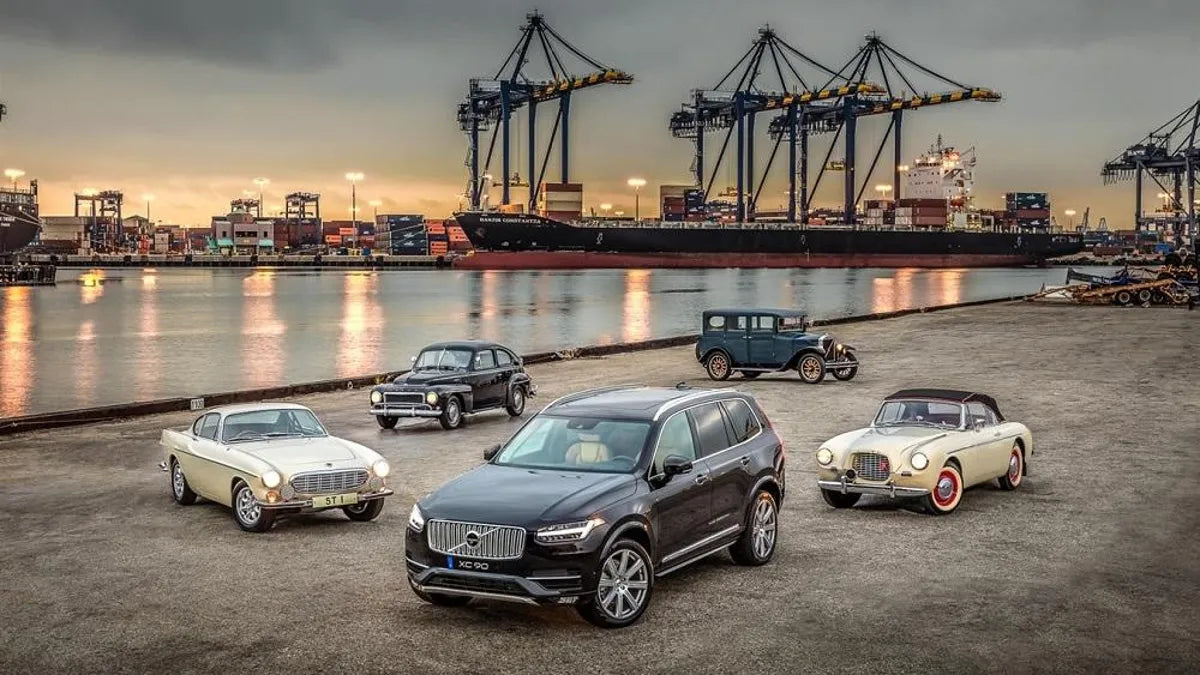
Over the years, car brands have evolved and transformed to meet the demands of drivers and car enthusiasts alike. From classic designs that exude timeless elegance, to modern designs that push the boundaries of innovation, the evolution of car brands has truly been remarkable. In this article, we will explore the journey of car brands from their early beginnings to the present day, highlighting some of the key milestones along the way.
The Early Days: The Birth of Classic Car Brands
Car brands such as Ford, Chevrolet, and Cadillac were established in the early 1900s, and they played a significant role in shaping the automotive industry. These classic car brands focused on functionality and durability, with designs that leaned towards a more simplistic and utilitarian aesthetic. The iconic Model T by Ford, for example, became a symbol of the automobile revolution, providing affordable transportation to the masses.
As car brands began to gain popularity, competition among manufacturers grew, leading to the birth of innovative designs that set them apart from one another. Ford's introduction of the first moving assembly line in 1913 revolutionized the production process, allowing cars to be manufactured at a faster rate and reducing costs for consumers.
The Golden Age: Classic Car Designs Come to Life
During the 1950s and 1960s, car brands embraced a new era of design, often referred to as the "golden age" of automotive styling. This period was marked by sleek lines, chrome accents, and bold colors that captured the optimism of the post-war era. Car brands like Chevrolet, with their iconic Bel Air and Impala models, became synonymous with the American dream.
European car brands also made their mark during this period with timeless designs that emphasized elegance and performance. Brands such as Jaguar, Aston Martin, and Ferrari created luxury sports cars that were coveted by enthusiasts around the world. These classic car designs continue to inspire modern iterations and are often seen as works of art.
The Shift to Modern Designs: Embracing Innovation
In the late 20th century, car brands began to shift their focus towards modern designs that embraced the latest technological advancements. This era saw the introduction of fuel-efficient engines, aerodynamic shapes, and cutting-edge safety features.
Japanese car brands like Toyota and Honda became leaders in the industry by prioritizing reliability, fuel efficiency, and affordability. Their designs incorporated sleek lines and practicality, appealing to a wider audience. Japanese brands also pioneered hybrid technology, paving the way for a more sustainable future.
German car brands such as BMW, Mercedes-Benz, and Porsche emphasized performance and luxury, introducing innovations like turbocharging and advanced suspension systems. Their designs exuded power and sophistication, captivating the discerning driver.
Modern Era: The Rise of Electric Vehicles
The 21st century has seen a surge in the popularity of electric vehicles (EVs) as environmental concerns and the desire for sustainable transportation have grown. Car brands such as Tesla, Nissan, and Chevrolet have taken the lead in this new era, designing electric vehicles that combine cutting-edge technology with sleek aesthetics.
The design of modern EVs often showcases a futuristic and aerodynamic aesthetic, with minimalistic interiors that are focused on user experience. These car brands are continuously pushing the boundaries by improving range, charging infrastructure, and overall performance.
Merging Classic and Modern Designs: The Best of Both Worlds
While the shift to modern designs has transformed the automotive industry, many car brands have successfully merged classic and modern elements to create unique and iconic designs. Brands like Mini and Volkswagen, for example, have embraced retro-inspired designs that pay homage to their classic models while incorporating modern technologies.
Another example is the revival of the Ford Mustang, an iconic classic car brand that has seamlessly transitioned into the modern era. The latest Mustang models combine the unmistakable design cues of the past with the performance and technology of the present, creating a truly timeless and captivating driving experience.
In Conclusion: Reflecting on the Evolution of Car Brands
The evolution of car brands from classic to modern designs has been an exciting journey, driven by innovation, competition, and the ever-changing demands of consumers. Classic car designs continue to inspire and captivate, while modern designs push the boundaries of what is possible.
Whether you appreciate the timeless elegance of classic car brands or the cutting-edge technology of modern designs, car brands have continuously evolved to captivate drivers and car enthusiasts alike. So, whether you prefer the nostalgia of a classic car or the thrill of a modern masterpiece, there is a car brand out there that will capture your heart and ignite your passion for the open road.