
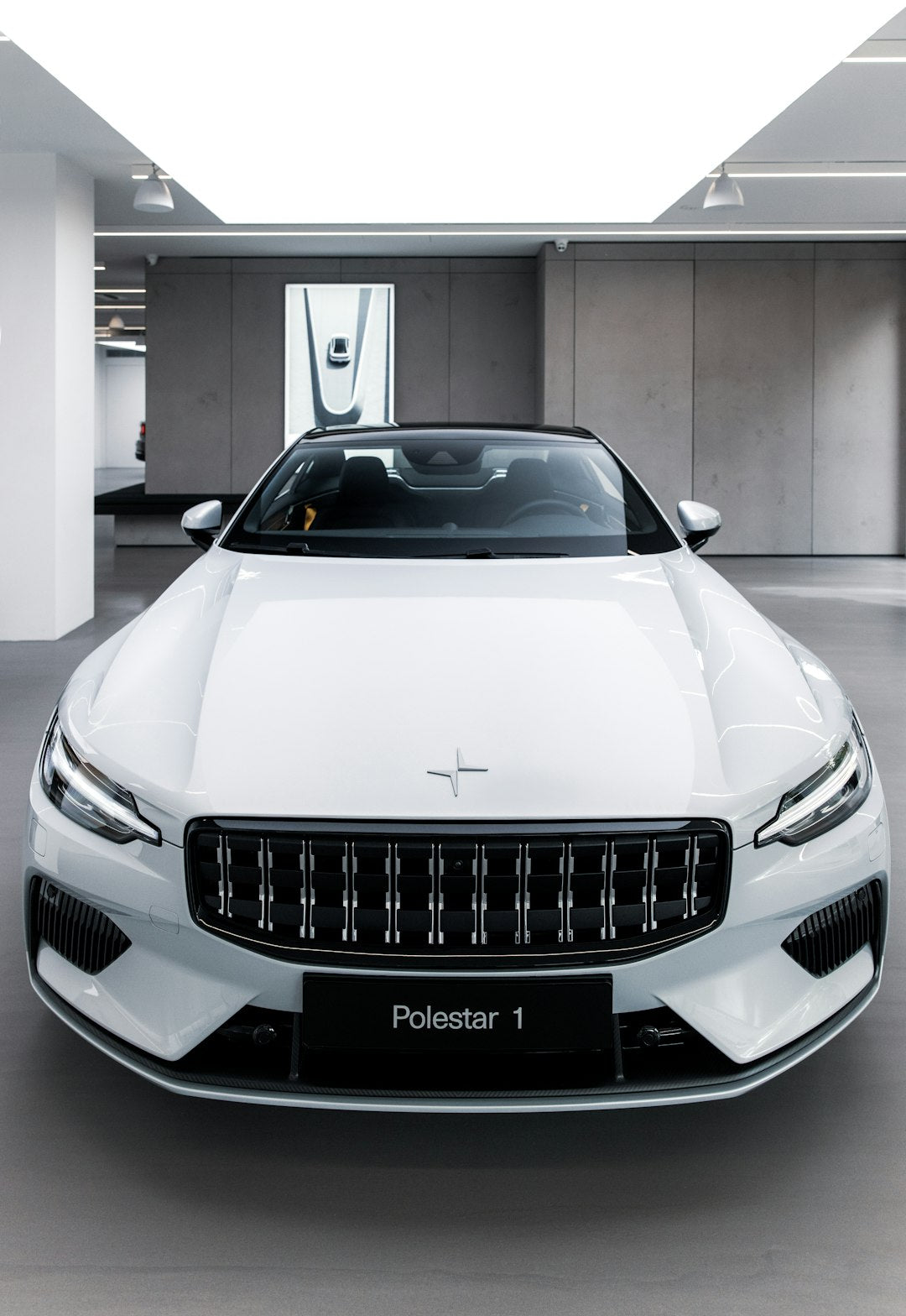
When it comes to the automotive industry, car design has come a long way over the years. From the early days of the automobile to the present, the evolution of car design has seen a shift from focusing primarily on functionality and aerodynamics, to a more prominent emphasis on stylish aesthetics. In this blog post, we will explore the fascinating journey of how car design has evolved over time.
Early Days of Car Design
In the early days of car design, functionality took precedence over everything else. The main goal was to create a vehicle that could effectively transport people and goods from one place to another. As a result, car designs were often boxy and simple, with straight lines and a utilitarian appearance. These early cars were designed to be functional and practical, with little consideration given to aesthetics.
The Rise of the Aerodynamic Era
In the 1920s, a significant shift in car design began to take place. With the advent of higher speeds and the need for more efficient vehicles, car manufacturers started to prioritize aerodynamics. The streamlining of car designs became a key focus, with the aim of reducing wind resistance and improving fuel efficiency. This era saw the introduction of rounded curves, sloping roofs, and teardrop shapes that were inspired by the aerospace industry.
The Golden Age of Automobile Design
During the 1950s and 1960s, car design entered a golden age. This period is often referred to as the era of extravagant and daring designs. Car manufacturers started incorporating bold features such as large tailfins, chrome accents, and sweeping lines. Cars became a symbol of style, and car design became a way for manufacturers to differentiate themselves and attract consumers. This was the era of iconic designs such as the Chevrolet Bel Air and the Ford Mustang.
The Influence of Technology
In recent years, car design has been heavily influenced by technological advancements. The integration of new technologies such as electric drivetrains and autonomous driving systems has resulted in a shift in design priorities. Car manufacturers are now focusing on creating sleek, futuristic designs that convey a sense of innovation and cutting-edge technology. LED headlights, digital displays, and streamlined shapes are becoming commonplace in modern car designs.
The Impact of Sustainability
Another significant trend in car design is the increasing emphasis on sustainability. As environmental concerns come to the forefront, car manufacturers are striving to develop eco-friendly vehicles. This has led to the integration of design elements that promote fuel efficiency, such as hybrid and electric powertrains, lightweight materials, and aerodynamic shapes. Car design is evolving to support a greener future.
The Role of Consumer Preferences
Consumer preferences also play a crucial role in the evolution of car design. As car ownership becomes more widespread, consumers are demanding vehicles that not only perform well but also look good. Car manufacturers are taking note and prioritizing stylish aesthetics in their designs. Sleek lines, aggressive grilles, and unique color options are now common features that appeal to consumers.
The Importance of Brand Identity
Car manufacturers understand that design can help establish and reinforce brand identity. Each brand strives to create a recognizable and distinct design language that sets them apart from competitors. Signature design elements, such as BMW's kidney grille or Volkswagen's clean, minimalist lines, play a crucial role in creating a strong brand identity and instilling a sense of trust in consumers.
Looking Towards the Future
As we look towards the future, car design will continue to evolve and adapt to changing trends and technologies. As electric vehicles become more prevalent, car manufacturers will need to find creative ways to incorporate unique design elements that set them apart from traditional combustion engine vehicles. The rise of autonomous vehicles will also likely drive changes in car design, as the need for traditional driving components diminishes.
Conclusion: Defining the Future of Car Design
In conclusion, the evolution of car design is a remarkable journey that reflects the changing needs, preferences, and technologies of our time. From the early days of functionality to the emphasis on aerodynamics and now stylish aesthetics, car design has come a long way. The future holds even more exciting possibilities as car manufacturers push boundaries and redefine what is possible in automotive design. The world of car design is ever-changing, and it will continue to captivate and inspire us with its innovation and creativity.