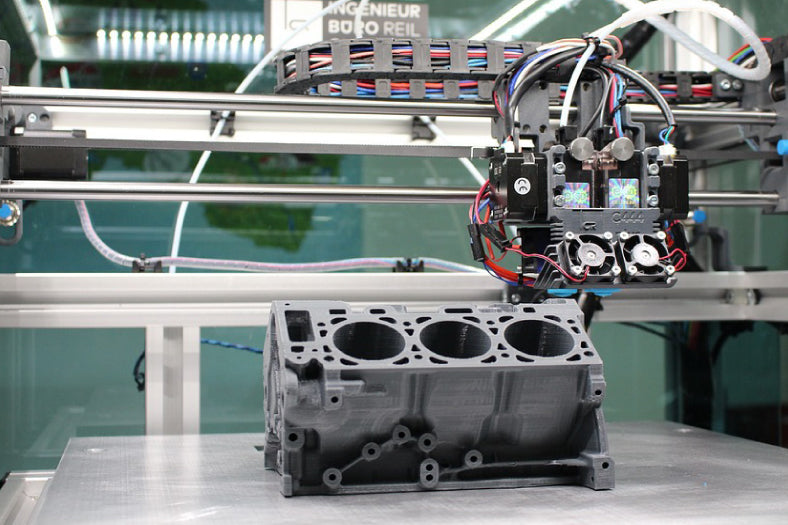
In the realm of automotive manufacturing, technological advancements have always played a pivotal role in shaping the landscape of the industry. One such innovation that has garnered widespread attention in recent years is 3D printing technology. The impact of 3D printing on car manufacturing is nothing short of revolutionary, offering unique benefits and opportunities that are reshaping the way vehicles are designed, produced, and customized.
The Rise of Additive Manufacturing
3D printing, also known as additive manufacturing, enables the creation of three-dimensional objects by layering material one sheet at a time based on a digital model. This approach stands in stark contrast to traditional subtractive manufacturing methods, which involve cutting away material froma solid block. This shift in production techniques has unlocked a host of possibilities within the automotive sector.
Enhanced Design Flexibility
One of the key advantages of 3D printing in car manufacturing is the unparalleled design flexibility it offers. Traditional manufacturing processes often come with limitations in terms of geometry and intricacy. With 3D printing, complex and intricate designs can be brought to life with ease, allowing for the creation of lightweight yet durable components that were previously impossible to produce.
Improved Prototyping and Iteration
Prototyping is an essential stage in the development of any new vehicle. 3D printing accelerates this process by allowing manufacturers to quickly produce prototypes of various components and test them for fit, form, and function. This rapid prototyping capability enables engineers to iterate designs swiftly and efficiently, ultimately leading to shorter development cycles and faster time-to-market for new vehicles.
Customization and Personalization
Consumers today are increasingly seeking vehicles that reflect their individuality and preferences. 3D printing facilitates the customization and personalization of vehicles at a level previously unheard of. From bespoke interior trims to personalized exterior elements, car manufacturers can now offer customers a truly unique and tailored driving experience.
Supply Chain Optimization
3D printing has the potential to revolutionize the automotive supply chain by decentralizing production and reducing the reliance on traditional manufacturing facilities. With the ability to produce components on-demand and on-site, car manufacturers can streamline their inventory management, reduce lead times, and respond swiftly to changes in market demand.
Material Innovation and Lightweighting
The materials used in 3D printing continue to evolve, offering manufacturers a diverse range of options to choose from. This flexibility in material selection enables the production of lightweight yet structurally sound components, ultimately contributing to improved fuel efficiency, performance, and sustainability in vehicles.
Cost Efficiency and Waste Reduction
While the initial investment in 3D printing technology can be significant, the long-term cost savings are substantial. Additive manufacturing reduces material wastage, as components are built layer by layer with minimal excess material. Additionally, the ability to produce parts on-demand eliminates the need for maintaining large inventories, further driving down costs.
Quality Control and Consistency
Ensuring the quality and consistency of components is paramount in car manufacturing. 3D printing offers tight control over the production process, allowing for precise replication of parts without variations commonly encountered in traditional manufacturing methods. This level of quality assurance translates to improved reliability and performance in the final products.
Environmental Sustainability
As the automotive industry continues to focus on sustainability, 3D printing emerges as a key enabler of eco-friendly practices. By reducing material wastage, optimizing manufacturing processes, and enabling the use of recyclable materials, 3D printing contributes to the overall reduction of the industry's environmental footprint.
The Future of Car Manufacturing
Looking ahead, the integration of 3D printing into car manufacturing processes is set to transform the industry in profound ways. From enhanced design capabilities to streamlined production workflows, the benefits of additive manufacturing are reshaping the future of automotive innovation. As car manufacturers embrace this technology and push the boundaries of what is possible, we can expect to see increasingly advanced vehicles on the roads, tailored to the unique needs and preferences of drivers worldwide.
Embracing the Power of 3D Printing
3D printing has ushered in a new era of possibilities for car manufacturers, offering a glimpse into the transformative power of additive manufacturing. As the technology continues to evolve and mature, its impact on the automotive industry will only grow stronger. By harnessing the capabilities of 3D printing, car manufacturers can unlock new design horizons, accelerate production cycles, and deliver vehicles that are truly ahead of their time.
Seizing the Opportunity for Innovation
In conclusion, the influence of 3D printing on car manufacturing is undeniable, paving the way for a future where creativity, efficiency, and sustainability converge to drive automotive innovation to new heights. By embracing this disruptive technology and leveraging its capabilities, car manufacturers can position themselves at the forefront of industry advancement, offering customers a driving experience that is as unique as it is exceptional.
