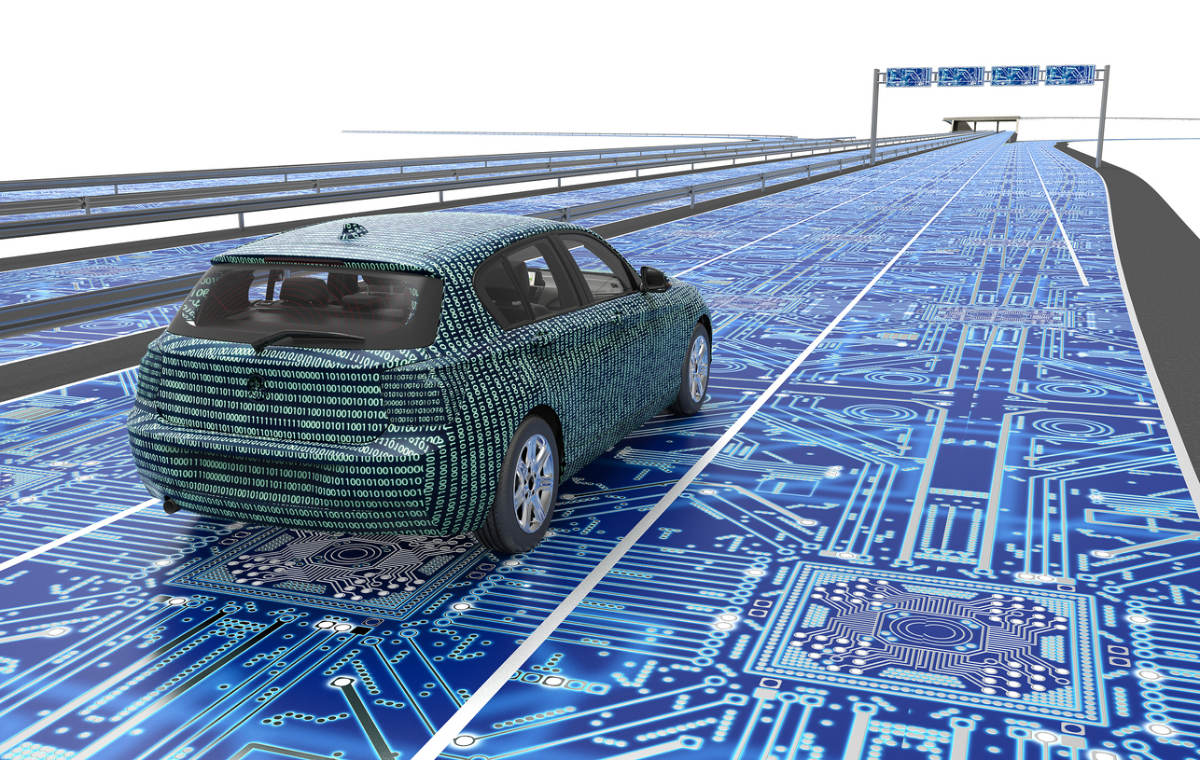
In an era where technology is reshaping our daily lives, automobiles have evolved into sophisticated machines packed with advanced features. These innovations offer enhanced safety, performance, and entertainment options for drivers. However, with greater technological complexity comes a pressing concern: cybersecurity. As vehicles increasingly connect to the internet and communicate with external devices, the risk of cyber threats rises significantly. It's essential to explore the importance of cybersecurity in modern vehicles and understand the measures necessary to protect them.
The Rise of Smart Vehicles
Today's vehicles are no longer mere transportation devices; they are intricate systems equipped with Internet of Things (IoT) technologies. From GPS navigation systems to advanced driver-assistance systems (ADAS), modern cars utilize a network of sensors and software that significantly improve the driving experience. However, this connectivity also opens the door to malicious attacks.
Understanding the Risks
Just like any internet-connected device, vehicles can be vulnerable to cybercriminals. Here are some key areas of concern:
- Remote Hacking: Cybercriminals can remotely access a vehicle's systems, potentially controlling critical functions like brakes, steering, and locks.
- Data Theft: Vehicles often store personal data about their owners, including addresses, driving habits, and even credit card information. Hackers can exploit vulnerabilities to steal this sensitive information.
- Rogue Software: Software updates are essential for vehicle functionality, but they can also serve as entry points for malicious software designed to disrupt operations or take control of the vehicle.
The Consequences of Cyber Attacks
The ramifications of a cyber attack on a vehicle can be devastating, ranging from financial loss to potential loss of life. Here’s a closer look at the various consequences:
Safety Risks
When hackers gain control of a vehicle’s systems, they can jeopardize the safety of the driver and others on the road. This can lead to:
- Loss of steering control
- Inability to brake or accelerate
- Malfunctioning airbags in the event of a crash
Financial Implications
Cyber attacks can have dire financial consequences for both consumers and manufacturers. For instance:
- Consumers may face costly repairs or replacements if their vehicles are compromised.
- Manufacturers may suffer from litigation costs, reputation damage, and loss of consumer trust, leading to declining sales.
Legislation and Compliance
Governments worldwide are recognizing the significance of cybersecurity in the automotive space. Legislative measures are being introduced to ensure that manufacturers adhere to strict cybersecurity regulations. Some notable efforts include:
The EU’s Road Safety Regulation
In Europe, regulations demand that automakers enhance the cyber resilience of their vehicles and protect user data. The goal is to create a safe and secure environment for drivers.
US Cybersecurity Frameworks
In the United States, organizations like the National Highway Traffic Safety Administration (NHTSA) are implementing guidelines and frameworks for auto manufacturers, emphasizing the need for proactive cybersecurity strategies.
Best Practices for Automotive Cybersecurity
Given the growing risk of cyber threats, here are some best practices that manufacturers, service providers, and users can adopt to enhance vehicle cybersecurity:
Robust Software Development
Manufacturers should prioritize cybersecurity in the software development lifecycle. Key steps include:
- Integrating security measures from the initial design phase
- Conducting rigorous testing for vulnerabilities before deployment
- Regularly updating software to address newly discovered cyber threats
User Education
Educating consumers about the importance of cybersecurity in vehicles is vital. Manufacturers and dealers can offer tips to enhance safety, such as:
- Changing default passwords for connected systems
- Regularly updating vehicle software
- Being cautious with third-party apps and devices connected to the vehicle
The Role of Cybersecurity Solutions
The emergence of specialized cybersecurity companies focused on the automotive industry plays a crucial role in mitigating risks. These companies offer innovative solutions:
Intrusion Detection Systems (IDS)
Just like in IT environments, intrusion detection systems can alert manufacturers or vehicle operators of any suspicious activity, allowing for immediate remediation.
Regular Security Audits
Conducting frequent security audits helps identify vulnerabilities and assess current cybersecurity measures. These audits enable manufacturers to adapt their defenses against evolving cyber threats.
Looking Ahead: The Need for Continuous Innovation
The cybersecurity landscape is ever-evolving, requiring continuous innovation in vehicle design and technology. As automation and connectivity in vehicles become the norm, the demand for cutting-edge cybersecurity solutions will only grow.
Collaboration Across Industries
Tackling the issue of automotive cybersecurity demands collaboration across various sectors, including:
- Automobile manufacturers working together with tech companies
- Government agencies enforcing consistent regulations
- Consumers advocating for transparency and security from manufacturers
Real-World Examples of Cybersecurity in Action
Several high-profile incidents have highlighted the importance of cybersecurity in modern vehicles. Here are a couple of notable cases:
The Jeep Cherokee Hack
In a groundbreaking demonstration, researchers were able to exploit vulnerabilities in a Jeep Cherokee, remotely taking control of the vehicle while a journalist was driving. This incident underlined the urgent need for robust cybersecurity measures in automotive design.
Volvo and Data Privacy
Volvo has taken proactive steps to enhance cybersecurity by implementing stringent data privacy measures. Their focus on safeguarding consumer data sets a standard for other manufacturers in the industry.
Final Thoughts: Prioritizing Your Vehicle's Cybersecurity
As we navigate an increasingly digital world, the importance of cybersecurity in modern vehicles cannot be overstated. With a plethora of connected features, the risk of cyber attacks is real and present. By staying informed about potential threats and following best practices, manufacturers and consumers alike can contribute to a safer automotive landscape. Investing in cybersecurity is not just a necessity for manufacturers but an integral part of safeguarding lives on the roads. Embrace the future of driving while ensuring that cybersecurity remains a top priority.
