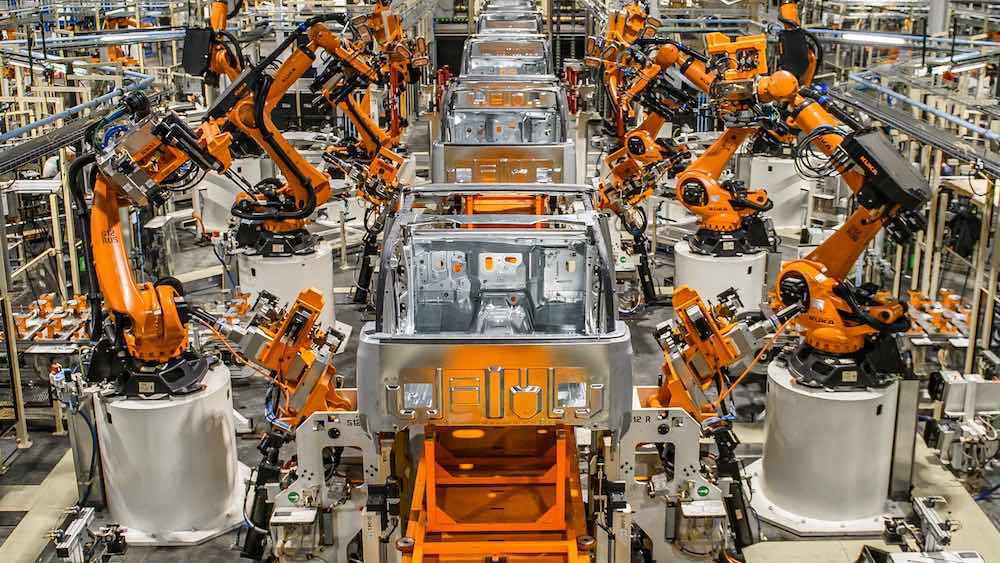
When it comes to car manufacturing, precision, efficiency, and speed are crucial. That's where robotics come in. Over the years, robots have played an increasingly important role in streamlining the manufacturing process, making it faster, safer, and more cost-effective. In this article, we will explore the significant role of robotics in car manufacturing and how it is revolutionizing the automotive industry.
Automation and Efficiency
Robotic automation has transformed the car manufacturing industry. With the use of robotics, car manufacturers have been able to automate repetitive and labor-intensive tasks that were previously performed by humans. This has significantly increased the efficiency of the manufacturing process.
Robots can work tirelessly for hours without the need for breaks or rest, resulting in higher productivity levels. By automating tasks such as welding, painting, and assembling parts, manufacturers can produce cars at a much faster pace, meeting the growing demand in the automotive market.
Precision and Quality Control
One of the key advantages of using robots in car manufacturing is their exceptional precision. Robots are programmed to perform tasks with high accuracy, ensuring that each part is assembled correctly and to the exact specifications required.
Furthermore, robots can consistently repeat tasks with the same level of precision, resulting in fewer errors and improved quality control. By minimizing human error and variation, cars are manufactured to the highest quality standards, satisfying customer expectations.
Enhanced Worker Safety
Car manufacturing processes can involve hazardous tasks, such as welding, painting, and heavy lifting. By implementing robotics, manufacturers can significantly improve worker safety by removing humans from potentially dangerous situations.
Robots are designed to handle dangerous tasks that could pose risks to human workers. This reduces the likelihood of accidents and injuries, creating a safer working environment for employees. Additionally, robots can operate in areas that may be too hot or toxic for humans, further enhancing worker safety.
Cost Reduction
While the initial investment in robotics technology may be substantial, it offers long-term cost savings for car manufacturers. Robots can work continuously without breaks, leading to significant labor cost reduction. Furthermore, robots do not require benefits or insurance, further reducing operational expenses.
In addition to labor cost reduction, the use of robotics in car manufacturing can also minimize the risk of production errors. Robots can identify defects and inconsistencies in real-time, preventing costly mistakes and reducing the need for rework. This ultimately leads to cost savings and increased profitability for car manufacturers.
Improved Flexibility and Adaptability
In an ever-evolving automotive industry, flexibility and adaptability are key to success. Robots are highly flexible and can be easily reprogrammed to handle different tasks and manufacturing processes. This allows car manufacturers to quickly adapt to changing market demands and introduce new models and features at a faster pace.
Moreover, robots can work in collaboration with human workers, creating a harmonious work environment. Through the concept of collaborative robots, or cobots, humans and robots can work side by side, benefiting from each other's strengths and capabilities.
Future Trends in Robotics
The role of robotics in car manufacturing is only set to expand in the future. As technology continues to advance, we can expect to see more sophisticated robots with enhanced sensory capabilities. This will enable them to perform tasks that require greater dexterity and decision-making.
Furthermore, the use of artificial intelligence (AI) in robotics will revolutionize the car manufacturing industry. AI-powered robots will be able to analyze vast amounts of data and make real-time decisions, further increasing the efficiency and quality of the manufacturing process.
Transforming Car Manufacturing with Robotics
Robotic technology has become an integral part of the car manufacturing industry, transforming the way cars are made. From automation and efficiency to precision and worker safety, robots have proven their value in the manufacturing process.
As car manufacturers continue to embrace robotics, we can expect to see increased productivity, improved quality control, and cost reduction. The future of car manufacturing is driven by robotics, bringing us closer to a more efficient and sustainable automotive industry.
Embracing the role of robotics in car manufacturing is essential for car manufacturers who want to stay ahead in this rapidly evolving industry. Investing in the latest robotic technologies will not only improve production processes but also ensure continued growth and success in the competitive automotive market.
