The automotive industry is on the brink of a revolution, and one of the most exciting developments is the rise of autonomous vehicles, also known as driverless cars. With advanced technologies, such as artificial intelligence and machine learning, these vehicles have the potential to transform our transportation systems like never before. In this article, we will explore the future of autonomous vehicles and the impact they will have on our society and daily lives.
The Rise of Autonomous Vehicles
Autonomous vehicles have been a topic of interest and research for several years now. But it's only in recent times that we have seen significant advancements in this field. Companies like Tesla, Waymo, and Uber have been at the forefront of developing self-driving cars, investing millions of dollars in research and development.
The technology behind autonomous vehicles is complex yet fascinating. It combines state-of-the-art sensors, cameras, radar systems, and lidar technology to gather data about the vehicle's surroundings. This data is then processed by sophisticated algorithms and artificial intelligence systems to make decisions and ensure safe and efficient driving.
The Benefits of Autonomous Vehicles
The adoption of autonomous vehicles promises numerous benefits for individuals and society as a whole. Firstly, driverless cars have the potential to significantly reduce road accidents related to human error. With advanced sensors and real-time data processing, autonomous vehicles can react to situations faster and more accurately than human drivers, potentially preventing accidents caused by distractions, fatigue, or impaired driving.
Moreover, autonomous vehicles can enhance transportation efficiency by reducing traffic congestion and optimizing routes. With the ability to communicate with each other and traffic infrastructure, driverless cars can achieve optimal speed control and spacing, leading to smoother traffic flow and reduced travel times.
Another significant benefit of autonomous vehicles is increased accessibility to transportation for individuals who are unable to drive, such as the elderly and disabled. With self-driving cars, these individuals can regain their mobility and independence, leading to a more inclusive society.
Impacts on the Automotive Industry
The rise of autonomous vehicles will inevitably bring significant changes to the automotive industry. Traditional car manufacturers will have to adapt and transform their business models to incorporate autonomous technology. This may involve partnerships with technology companies, investment in research and development, and even shifting focus from vehicle ownership to mobility services.
Furthermore, the demand for new types of vehicles and components will arise, creating new opportunities for startups and suppliers. Companies specializing in autonomous driving technology, such as software developers and sensor manufacturers, will see increased demand for their products and services.
Challenges and Concerns
While the future of autonomous vehicles looks promising, there are still several challenges and concerns that need to be addressed. One of the significant concerns is the safety aspect. Autonomous vehicles need to be proven safe and reliable before they can gain widespread acceptance and trust from the general public. Rigorous testing and regulatory frameworks are necessary to address safety concerns adequately.
Another challenge is the legal and ethical implications of autonomous vehicles. Questions surrounding liability in the event of accidents, data privacy, and decision-making algorithms need to be resolved. Society needs to have confidence that autonomous vehicles will operate ethically and in the best interests of individuals and communities.
The Future of Transportation
The future of autonomous vehicles extends beyond personal cars. Self-driving technology can have a profound impact on various sectors, including public transportation, ride-sharing services, and logistics. Imagine a future where fleets of autonomous buses and taxis provide efficient and convenient transportation, reducing the need for private car ownership and minimizing congestion in urban areas.
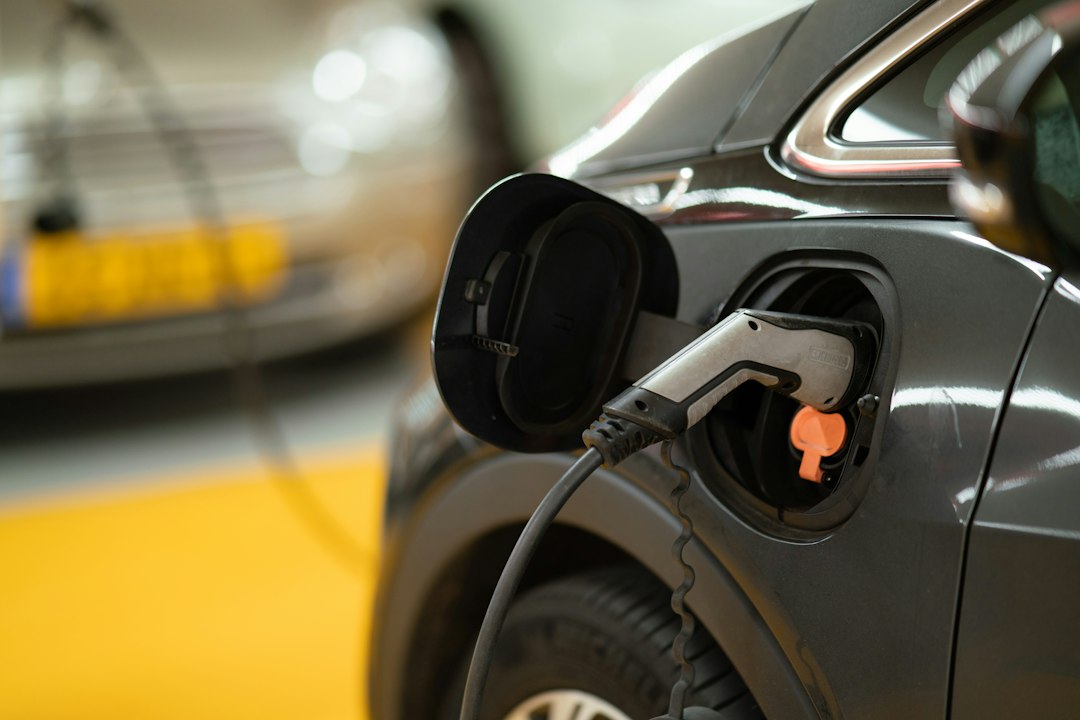
Moreover, autonomous vehicles can significantly impact the environment. With optimized driving patterns and electric powertrains, self-driving cars have the potential to reduce carbon emissions and contribute to a more sustainable future.
Conclusion: Embracing the Driverless Revolution
As we look ahead, it's clear that autonomous vehicles will revolutionize the way we travel and interact with transportation systems. The potential benefits, from increased safety to improved accessibility and enhanced efficiency, cannot be ignored. However, it's crucial to address the challenges and concerns associated with autonomous vehicles to ensure a smooth and successful transition.
The future of autonomous vehicles is bright, and as technology continues to advance, we will witness a transformation in the way we move from one place to another. It's an exciting time to be part of this driverless revolution as we embrace a future where cars drive themselves, leaving us with more time, convenience, and a greener planet.
