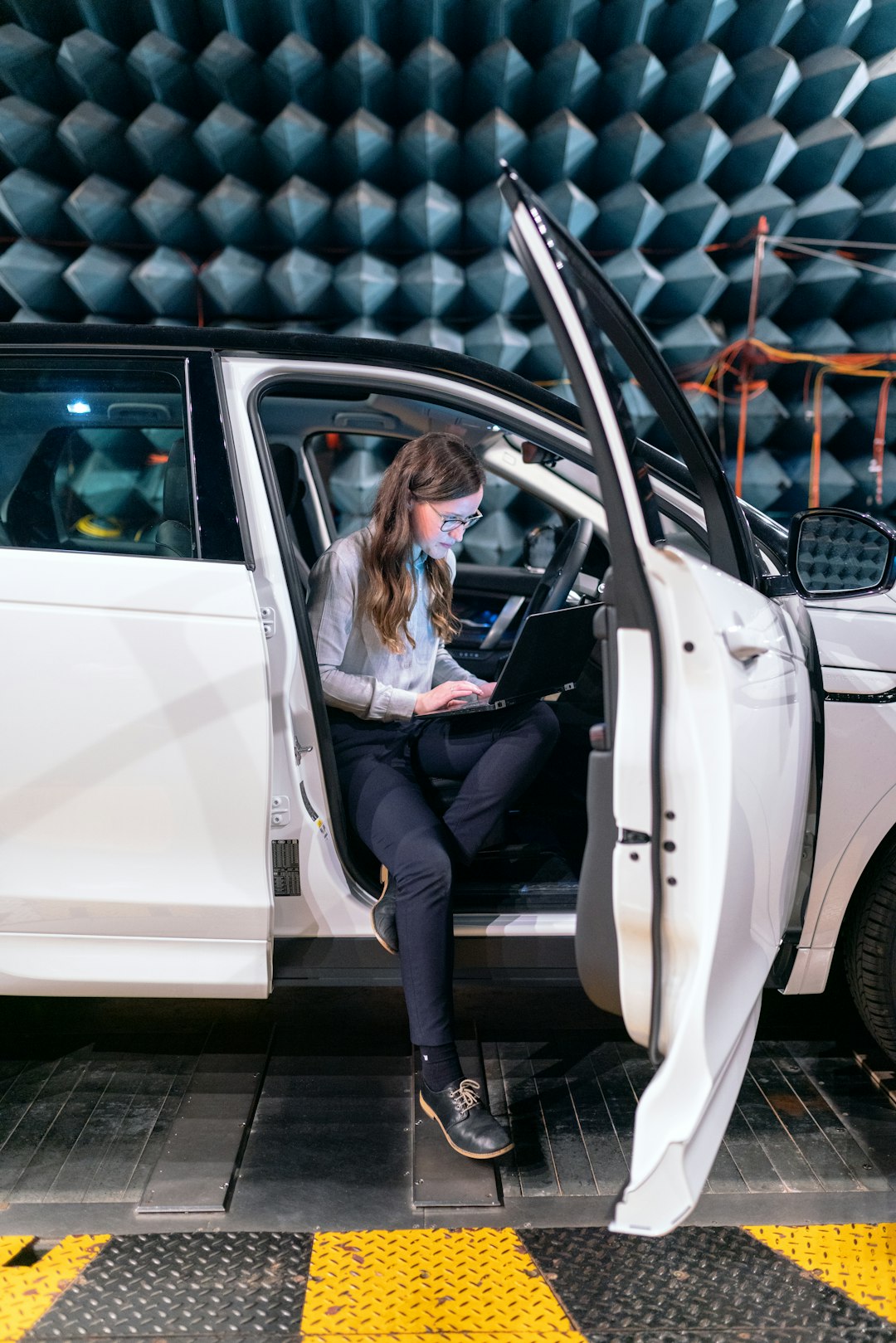
In today's rapidly advancing technological age, our cars are becoming more than just modes of transportation. They are evolving into sophisticated technological hubs that offer a range of features designed to enhance the driving experience. The future of car connectivity and infotainment systems is an exciting frontier that promises to revolutionize how we interact with our vehicles.
Seamless Connectivity
One of the most significant trends shaping the future of car connectivity is the emphasis on seamless integration. Modern vehicles are equipped with advanced infotainment systems that allow drivers to effortlessly connect their smartphones, tablets, and other devices to the car's interface. This connectivity enables drivers to access a wide range of features, such as navigation, music streaming, and hands-free calling, all from the convenience of their car's dashboard.
Enhanced User Experience
Car manufacturers are investing heavily in developing intuitive user interfaces that prioritize ease of use and accessibility. The future of infotainment systems will include touchscreens, voice recognition, and gesture controls to create a seamless and intuitive user experience. These advancements aim to minimize distractions for drivers and ensure that they can interact with their vehicles safely and efficiently.
Personalized Features
As technology continues to evolve, infotainment systems are becoming increasingly personalized. In the future, drivers will be able to customize their driving experience by creating profiles that store their preferences for seat positions, climate control settings, and entertainment options. This level of personalization will create a more immersive and enjoyable driving experience for users.
Integration of AI and Machine Learning
Artificial intelligence (AI) and machine learning are playing a crucial role in shaping the future of car connectivity and infotainment systems. These technologies enable cars to learn from user behavior and preferences, anticipating their needs and providing tailored recommendations. AI-powered infotainment systems can also analyze data from various sensors in the car to optimize performance and efficiency.
Enhanced Safety Features
One of the key priorities in the development of future infotainment systems is enhancing safety features. Advanced driver-assistance systems are being integrated into infotainment systems to provide real-time information on road conditions, traffic patterns, and potential hazards. These safety features aim to reduce the likelihood of accidents and improve overall road safety.
Internet Connectivity
Internet connectivity is set to play a significant role in the future of car connectivity and infotainment systems. With the rise of 5G technology, cars will be able to connect to high-speed networks, enabling a range of new features such as real-time updates, over-the-air software updates, and seamless integration with smart home devices. This connectivity will transform cars into connected devices that offer unparalleled convenience and functionality.
Entertainment Options
One of the most exciting aspects of the future of infotainment systems is the wide range of entertainment options that will be available to drivers and passengers. From streaming services and podcasts to interactive games and augmented reality experiences, the possibilities for in-car entertainment are virtually endless. These entertainment options will make long journeys more enjoyable and engaging for everyone in the car.
Enhanced Navigation Systems
With the advent of advanced mapping technologies and real-time traffic data, the future of navigation systems in cars looks promising. Infotainment systems will offer intuitive and dynamic navigation features that take into account traffic conditions, road closures, and alternative routes. These enhanced navigation systems will help drivers reach their destinations more efficiently and with minimal stress.
Integration with Smart Devices
The future of car connectivity will see increased integration with smart devices and home automation systems. Drivers will be able to control their smart home devices, such as thermostats, lights, and security cameras, directly from their car's infotainment system. This integration will create a seamless transition between the home and the car, adding a new level of convenience to daily life.
Sustainability and Energy Efficiency
As the automotive industry continues to prioritize sustainability and energy efficiency, the future of car connectivity will reflect these values. Infotainment systems will include features that provide drivers with real-time feedback on their driving habits and offer suggestions for improving fuel efficiency. By promoting eco-friendly driving practices, these systems will contribute to a greener and more sustainable future.
Enhanced Vehicle Diagnostics
Integrated diagnostic tools are poised to revolutionize the way drivers maintain their vehicles in the future. Advanced infotainment systems will be equipped with diagnostic features that monitor the car's performance, identify potential issues, and provide proactive maintenance alerts. By staying ahead of maintenance needs, drivers can ensure their vehicles remain in optimal condition and avoid costly repairs.
Embracing the Future of Car Connectivity
The future of car connectivity and infotainment systems is a thrilling frontier that offers a wealth of possibilities for enhancing the driving experience. From seamless connectivity and personalized features to AI integration and enhanced safety measures, the future of in-car technology is destined to revolutionize the way we interact with our vehicles. As technology continues to advance, drivers can look forward to a future where their cars are not just modes of transportation but sophisticated smart devices that enrich their lives in countless ways.
