
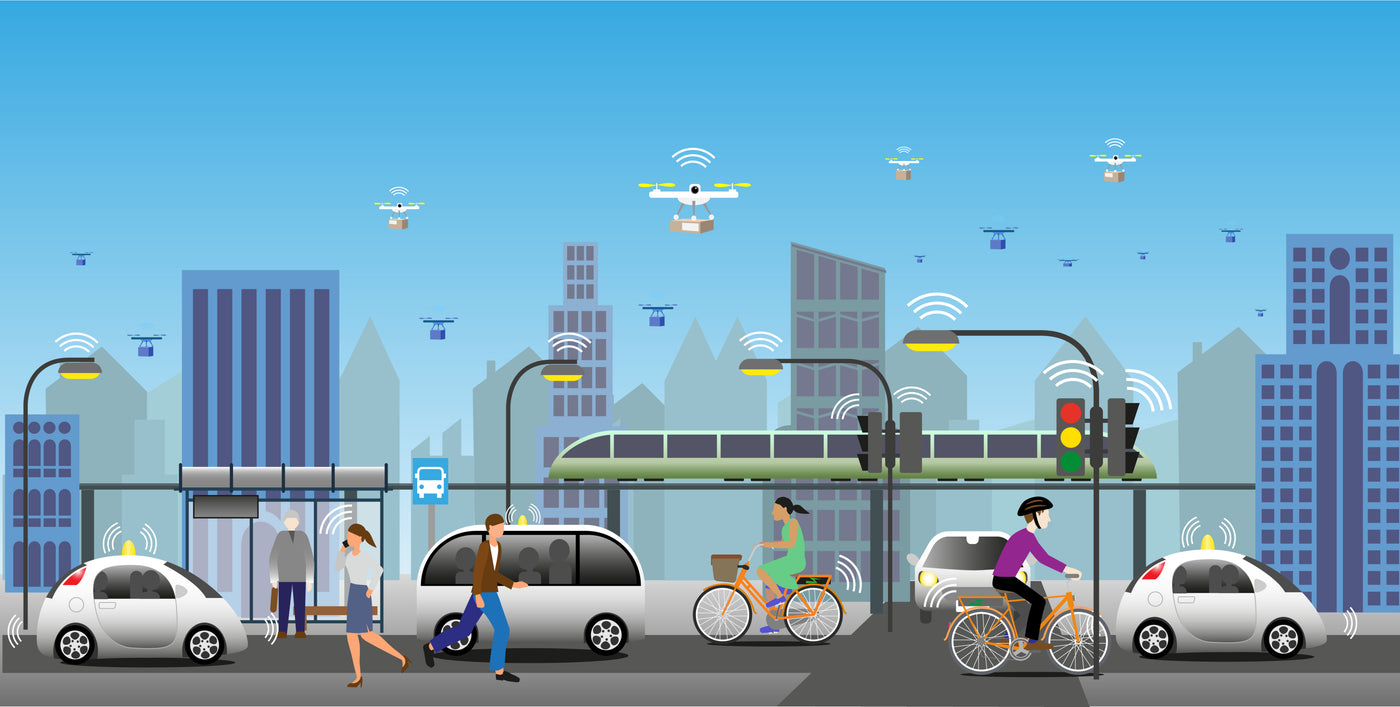
Urban transportation has always been a topic of concern for city dwellers. From congested roads to limited parking spaces, the challenges seem never-ending. However, with the rise of micro mobility, there's a glimmer of hope for a more efficient and sustainable urban transportation system.
What is Micro Mobility?
Micro mobility refers to lightweight, compact transportation options that are designed for short-distance trips within urban areas. This includes electric scooters, bicycles, hoverboards, and even electric skateboards. These modes of transportation are typically shared, meaning they can be rented and accessed easily through smartphone apps.
While micro mobility has been around for some time, it has gained significant popularity in recent years, thanks to advances in technology, increased environmental consciousness, and the need for more convenient modes of transportation.
The Benefits of Micro Mobility
1. Reduced Traffic Congestion: One of the biggest advantages of micro mobility is its ability to alleviate traffic congestion. By encouraging people to opt for compact and efficient modes of transportation, such as electric scooters or bicycles, fewer cars will be on the road, resulting in smoother traffic flow.
2. Environmentally Friendly: Micro mobility options are typically electric, which means they produce zero emissions. This is a significant step towards reducing air pollution and combating climate change. Choosing micro mobility over traditional vehicles can have a positive impact on the environment and contribute to a greener future.
3. Health Benefits: By incorporating micro mobility into your daily routine, you'll be incorporating exercise into your day without even realizing it. Riding a bike or scooter is a great way to stay active and improve your cardiovascular health. Plus, it's much more enjoyable than sitting in a traffic jam!
4. Cost-Effective: Owning a car can be a significant financial burden, with expenses such as fuel, maintenance, and parking. Micro mobility options are generally more affordable, both in terms of purchase or rental costs and ongoing maintenance. By embracing micro mobility, you can save money while still enjoying convenient transportation.
The Challenges of Micro Mobility
While the benefits of micro mobility are evident, it's essential to acknowledge the challenges that come with it.
1. Safety Concerns:
As with any mode of transportation, safety is a top priority. Micro mobility options, such as electric scooters, can be prone to accidents if not used responsibly. It's crucial for riders to follow traffic rules, wear protective gear, and be aware of their surroundings. Additionally, infrastructure improvements are necessary to accommodate micro mobility, such as dedicated bike lanes and parking spaces.
2. Regulatory Issues:
The rapid growth of micro mobility has presented challenges in terms of regulations and policies. Local governments are still grappling with how to effectively manage and integrate these new transportation options into existing infrastructure. Striking a balance between innovation and safety is essential for a sustainable micro mobility ecosystem.
3. Maintenance and Reliability:
Micro mobility options require regular maintenance to ensure they are safe and reliable. This responsibility falls on both users and service providers. It's crucial for users to properly maintain and care for their rented or owned micro mobility devices, while service providers need to ensure their fleet is in good working order.
The Future of Urban Transportation
The rise of micro mobility is just the beginning of a transformative era in urban transportation. As technology continues to advance, we can expect even more innovative solutions to emerge.
Imagine a future where autonomous electric scooters seamlessly navigate through city streets, or where electric bicycles are equipped with advanced safety features. These possibilities are not far-fetched and have the potential to revolutionize urban transportation as we know it.
However, it's important to remember that embracing micro mobility is not a one-size-fits-all solution. Different cities have unique challenges and requirements, and urban transportation systems need to be tailored accordingly.
So, whether you're a city planner, a commuter, or simply someone interested in the future of transportation, it's time to embrace the potential of micro mobility. By incorporating these compact and sustainable options into our urban landscapes, we can create a brighter and more efficient future for everyone.
Ready to hop on an electric scooter or pedal your way to work? Embrace micro mobility and join the movement towards a greener, less congested urban future!