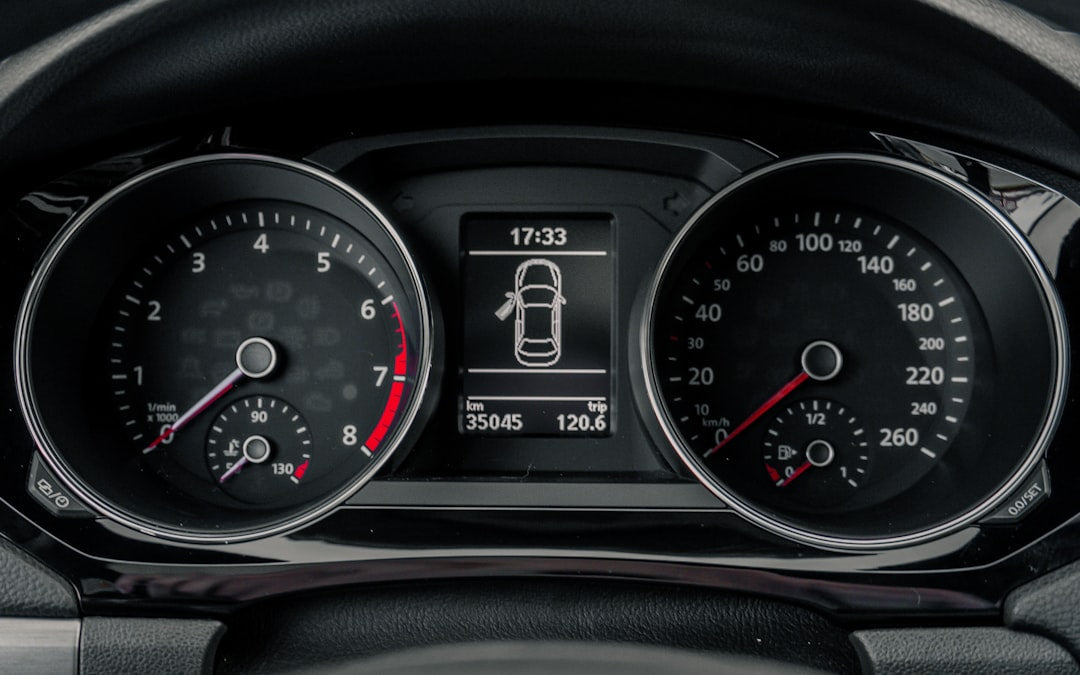
When it comes to the design of car interfaces, one crucial aspect often overlooked is user experience. User experience, or UX, plays a pivotal role in how drivers and passengers interact with the vehicle's features and controls. A seamless and intuitive interface not only enhances the overall driving experience but also ensures safety on the road. In this blog post, we will delve into the importance of user experience in car interfaces and why it matters more than ever.
Understanding User Experience in Cars
User experience in the context of car interfaces encompasses everything from the layout of buttons and controls to the responsiveness of touchscreens and voice commands. A well-thought-out UX design anticipates the needs of the driver and provides easy access to essential functions without causing distraction. It aims to create a harmonious interaction between the driver, passengers, and the vehicle itself.
The Impact on Safety
One of the primary reasons why user experience is critical in car interfaces is safety. A user-friendly interface minimizes the time drivers spend looking away from the road to adjust settings or find information. For example, a clear and intuitive dashboard layout allows drivers to quickly glance at key details such as speed, fuel level, and navigation instructions without losing focus on driving.
Enhancing Convenience and Accessibility
Good user experience goes beyond just safety; it also enhances convenience and accessibility for drivers and passengers. Intuitive controls enable users to adjust climate settings, entertainment options, and navigation with ease, creating a more enjoyable journey for everyone in the car. Accessibility features such as voice commands or steering wheel controls cater to a diverse range of users, including those with mobility limitations.
Personalization and Customization
Another aspect where user experience shines in car interfaces is personalization. Modern vehicles offer a plethora of features that can be tailored to individual preferences, from seat positions and mirror settings to entertainment profiles and driver assistance modes. A well-designed user interface makes it effortless for users to customize these settings according to their liking, providing a personalized driving experience.
Keeping Up with Technological Advances
As automotive technology continues to evolve rapidly, the role of user experience becomes even more crucial. From integrated infotainment systems to autonomous driving capabilities, the complexity of car interfaces is increasing. A user-centric approach to design ensures that drivers can easily adapt to new features and functionalities without feeling overwhelmed or confused.
Driver Distraction and Cognitive Load
Poor user experience in car interfaces can lead to driver distraction and increased cognitive load. Cluttered displays, complex menu structures, and unresponsive controls can frustrate users and divert their attention from the road. By streamlining the interface design and prioritizing essential information, manufacturers can help reduce the cognitive burden on drivers and make the driving experience safer and more enjoyable.
Feedback and Iterative Design
An effective user experience strategy in car interfaces involves gathering feedback from users and continuously refining the design through iterative processes. By listening to drivers' preferences, pain points, and suggestions, manufacturers can identify areas for improvement and make incremental changes to enhance usability. This user-centric approach results in interfaces that are not only functional but also delightful to use.
The Role of Connectivity
Connectivity plays a significant role in shaping user experience in modern car interfaces. Seamless integration with smartphones, smart home devices, and cloud services enables drivers to stay connected while on the go. Features like Apple CarPlay and Android Auto bring familiar interfaces into the car, providing a consistent user experience across different devices and environments.
Future Trends in UX Design for Cars
Looking ahead, the future of user experience in car interfaces is set to embrace emerging technologies such as augmented reality, biometrics, and artificial intelligence. These advancements will revolutionize how drivers interact with vehicles, offering new levels of personalization, convenience, and safety. Designing intuitive and adaptive interfaces that cater to the needs of tech-savvy users will be key to staying ahead in the automotive industry.
Final Thoughts: Driving Innovation Through User-Centric Design
In conclusion, user experience plays a pivotal role in shaping the design of car interfaces, impacting safety, convenience, personalization, and overall driving enjoyment. By prioritizing user-centric design principles and incorporating feedback-driven iterative processes, manufacturers can create interfaces that not only meet users' needs but also exceed their expectations. As the automotive industry continues to evolve, a strong focus on user experience will drive innovation and set new standards for the future of car interfaces.
