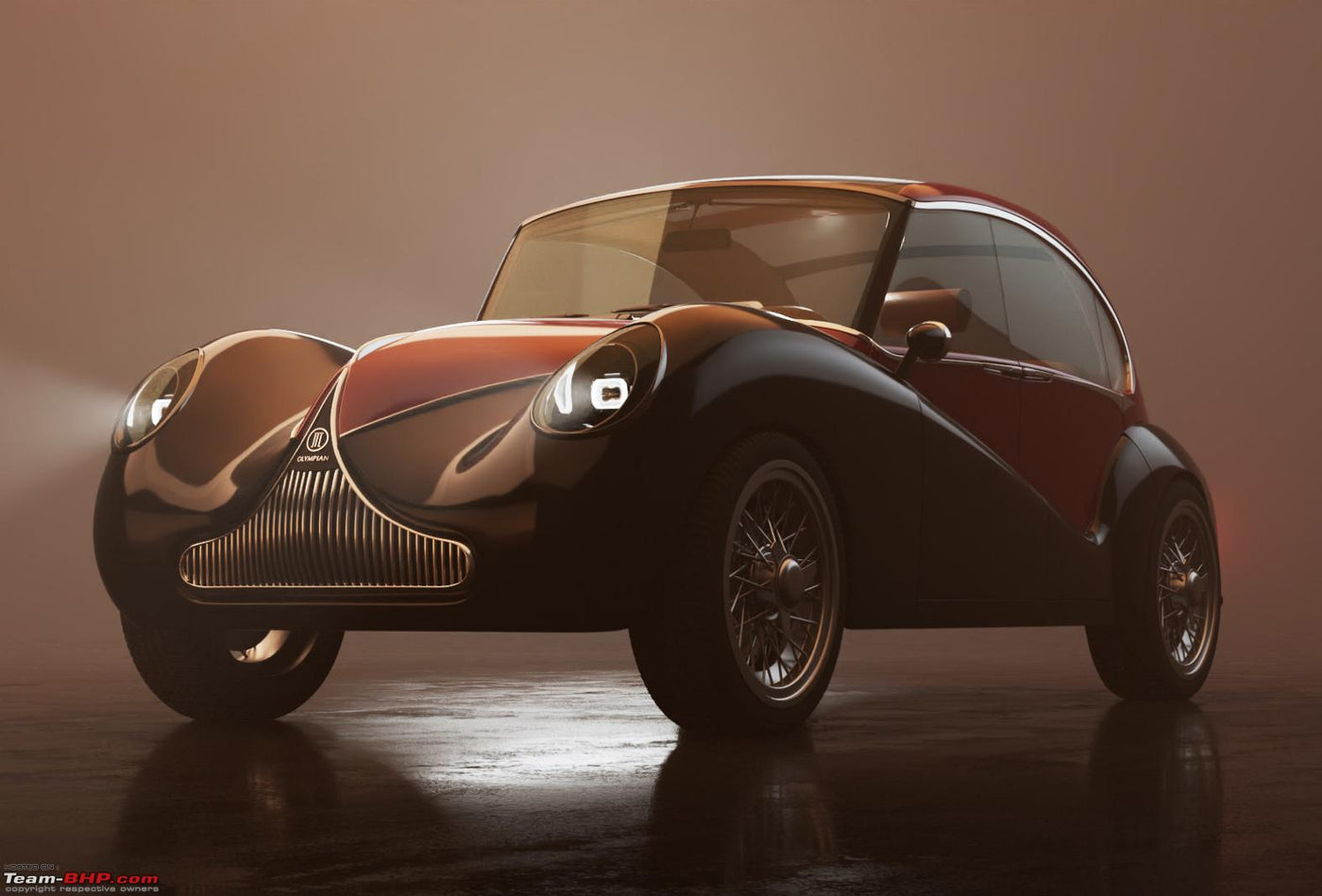
In recent years, the automotive world has witnessed a remarkable renaissance of vintage car models, capturing the hearts of enthusiasts and casual drivers alike. These classic vehicles, once considered relics of the past, are now not only sought after for their nostalgic value but also admired for their unique designs, craftsmanship, and the stories they carry. In this blog post, we will explore the reasons behind this resurgence of vintage cars, their impact on modern culture, and how they can revitalize more than just our roads.
The Allure of Vintage Cars
Vintage cars evoke a sense of nostalgia that transcends generations. For many, these models represent a golden era of automotive design and engineering. They are more than just modes of transportation; they are symbols of freedom, adventure, and a bygone time that many wish to revisit. The allure of vintage cars lies in their classic lines, timeless style, and the craftsmanship that went into creating them.
A Connection to History
Each vintage car tells a story. Whether it’s a lovingly restored Ford Mustang or a beautifully maintained VW Beetle, these vehicles reflect the cultural and social dynamics of their time. History buffs and car enthusiasts appreciate that each vintage model represents a different chapter in automobile history, often reflecting the technological advancements, stylistic trends, and consumer preferences of the era.
Today's Emotionally Charged Market
The spike in interest for vintage cars isn’t just a fleeting trend. In a world increasingly dominated by electric vehicles and modern designs, many consumers are yearning for something tangible and emotionally resonant. Owning a vintage car allows individuals to tap into their past, leaving a mark on a modern landscape filled with mass-produced vehicles. This emotional connection fuels a thriving market where vintage cars are regarded not merely as practical assets, but as treasured possessions.
The Role of Social Media and Pop Culture
Social media platforms like Instagram and TikTok have significantly influenced how vintage cars are perceived today. These platforms have allowed car owners to showcase their love and dedication to restoring and maintaining classic vehicles. From hashtags like #VintageCars to dedicated influencer accounts, car enthusiasts can share their passion with a global audience.
Classic Cars in Film and Television
The resurgence of vintage cars can also be linked to their portrayal in film and television. Iconic movies and shows featuring classic vehicles—think of the classic "Fast and Furious" series or the timeless "American Graffiti"—have rekindled interest and appreciation for vintage models. As new generations engage with these timeless stories, they become enamored with the cars that grace the screen.
The Digi-Revolution: A New Grasp on Vintage Autos
The rise of digital technology has given vintage car enthusiasts new tools for showcasing their vehicles. With virtual car meets, online forums, and e-commerce platforms, like Shopify, finding parts, advice, or simply sharing experiences with fellow aficionados has never been easier. The vintage car community has found footholds online, fostering a sense of belonging among enthusiasts who might not find the same support in their localities.
Environmental Considerations and Vintage Cars
While the automotive industry is embracing electric vehicles as the future of transportation, some argue that vintage models can also hold a crucial role in sustainable practices. Rather than contributing to the cycle of manufacturing new automobiles, restoring and maintaining old ones reduces resource consumption and waste.
Recycling History
Each restored vintage car represents thousands of hours of labor, passion, and care. Instead of discarding an old car, many choose to refurbish these beauties, thereby reducing environmental impact. This process emphasizes recycling and sustainability—tenets that resonate deeply with today’s environmentally-conscious consumers.
The Vintage Car Community
As the demand for classic cars continues to thrive, so does the sense of community surrounding vintage automobile culture. Car shows, restoration workshops, and online groups have sprung up, uniting enthusiasts who share a common passion. Moreover, these gatherings serve as valuable spaces for networking, exchanging tips, and sharing experiences.
Events and Gatherings
- Car Shows: Major cities often host vintage car shows that attract thousands of visitors eager to admire classic models and chat with owners.
- Club Meetups: Local clubs dedicated to specific car models or brands allow owners to connect, share knowledge, and showcase their vehicles.
- Restoration Workshops: Hands-on workshops provide enthusiasts with opportunities to learn about car restoration techniques and maintenance.
The Investment Perspective
Collecting vintage cars has also become seen as a viable investment strategy. While the traditional stock market can be volatile, classic cars, particularly those with historical significance or limited production numbers, have demonstrated appreciable value over time. A well-maintained vintage vehicle can become a tangible asset that potentially increases in worth, making it an attractive option for those looking to invest.
Navigating the Investment Landscape
Investing in vintage cars isn’t just about purchasing any model; it requires knowledge and insight into what makes a vehicle valuable. Factors such as rarity, authenticity, condition, and provenance play critical roles in determining a car’s market value. Enthusiasts are encouraged to do their homework, attend auctions, and network within the vintage car community to make informed decisions.
Preserving the Legacy of Vintage Cars
As vintage cars reclaim their spot in modern culture, preserving their legacy also becomes essential. Collectors, restorers, and enthusiasts have a responsibility to care for these vehicles, ensuring that each one remains a testament to automotive history for future generations.
Restoration and Maintenance Practices
To keep a vintage car in optimal condition, owners engage in regular maintenance, meticulous restoration, and follow specific practices tailored for these iconic models. Understanding the unique requirements of vintage cars is crucial, as older models may need specialized attention that differs from that of modern vehicles.
- Regular Inspections: Routine checks to identify any potential issues before they escalate.
- Quality Replacement Parts: Sourcing original or high-quality reproduction parts to maintain authenticity.
- Safe Storage: Protecting vintage vehicles from weather-related damages, rust, and pests.
Steering into the Future
As we move further into the 21st century, the love for vintage cars is expected to continue growing. The blend of nostalgia, modern restoration techniques, and a thriving community ensures that classic automobiles remain relevant. More than ever, vintage cars symbolize a lifestyle that embraces authenticity in a fast-paced, digital-driven world.
With the rise of vintage models in popular culture, there’s an undeniable truth: classic cars resonate with the human desire for something deeper. They harbor memories, spark enthusiasm, and ignite conversations. So whether you're already a proud owner or just starting your journey into this fascinating world, buckle up and enjoy the ride of nostalgia that vintage cars offer!
