Overview
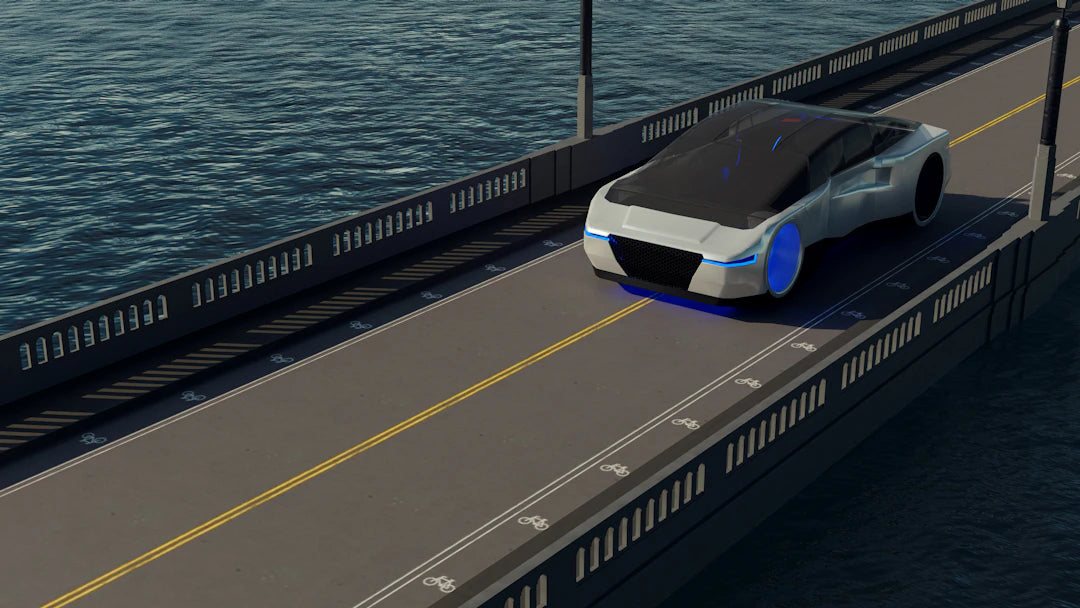
The automotive industry is rapidly evolving with the rise of autonomous vehicles, promising enhanced safety, improved traffic management, and changes to urban infrastructure. Key players like Tesla and Waymo are leading advancements, while societal implications include workforce changes and ethical considerations. As we approach a future with self-driving cars, staying informed about technology, legislation, and ethical discussions is crucial.
Frequently Asked Questions
1. What are autonomous vehicles?
2. What are the different levels of autonomy in self-driving technology?
3. Who are the key players in the autonomous vehicle industry?
4. What societal challenges arise from the rise of autonomous vehicles?
5. How can consumers prepare for the future of autonomous vehicles?
The automotive industry is undergoing a seismic shift, with the rapid rise of autonomous vehicles generating buzz and excitement among tech enthusiasts and everyday drivers alike. As innovations in artificial intelligence, machine learning, and sensor technology propel us into the future of transportation, the implications for consumers, manufacturers, and urban infrastructure are profound. In this blog post, we will explore the rise of autonomous vehicles, what to expect in the coming years, and how this transformation is set to impact our lives.
Understanding Autonomous Vehicles
Autonomous vehicles, often referred to as self-driving cars, use a combination of sensors, cameras, and artificial intelligence to navigate and operate without human intervention. These technological marvels promise a future where road safety, efficiency, and convenience are heightened, leaving traditional driving behind. But how do these vehicles work?
Levels of Autonomy
The Society of Automotive Engineers (SAE) has classified self-driving technology into six levels, ranging from Level 0 (no automation) to Level 5 (full automation). Here’s a brief look at each level:
- Level 0: No automation; the driver controls everything.
- Level 1: Driver assistance, where systems like adaptive cruise control are present.
- Level 2: Partial automation; the vehicle can control steering and acceleration but requires full driver attention.
- Level 3: Conditional automation; the car can handle most driving tasks, but a driver must be ready to take control when needed.
- Level 4: High automation; the vehicle can perform all driving functions in specific conditions or environments.
- Level 5: Full automation; no human intervention is required in any conditions.
The Current Landscape of Autonomous Vehicles
As of 2025, numerous companies are heavily investing in the research and development of autonomous vehicle technology. Industry giants, startups, and tech firms are in a race to bring self-driving cars to mainstream consumers. Here’s a glimpse of what’s happening today:
Key Players
Various companies are leading the charge in autonomous vehicle development:
- Tesla: Pioneering with its Full Self-Driving (FSD) feature, Tesla vehicles are often seen as the most advanced in terms of consumer accessibility.
- Waymo: A subsidiary of Alphabet Inc., Waymo focuses on developing fully autonomous taxi services.
- Uber and Lyft: Both ride-sharing platforms are experimenting with self-driving technology, aiming to integrate autonomous fleets into their service offerings.
- Ford and General Motors: Both traditional automakers are investing heavily in autonomous vehicle research, including partnerships with tech firms.
This Year's Developments
In 2025, we’ve witnessed significant advancements in regulations and pilot programs focusing on testing autonomous vehicles in urban environments. National and local governments are beginning to establish frameworks and policies aimed at safely integrating these vehicles onto public roads.
What to Expect in the Coming Years
As we delve deeper into the future of autonomous vehicles, several key developments and trends are anticipated to shape the next wave of innovation:
Enhanced Safety Features
One of the most compelling arguments for adopting autonomous vehicles is the potential to significantly reduce traffic accidents caused by human error. Industry experts predict that enhancements in technology will lead to cars that can better recognize and respond to their environment.
- Sensor technology will improve, allowing vehicles to detect obstacles more effectively.
- AI algorithms will evolve, ensuring more accurate real-time decisions that could save lives.
Improved Traffic Management
As more autonomous vehicles populate the roads, traffic flow is expected to improve remarkably. By communicating with each other and with traffic management systems, these vehicles can optimize routes, reduce congestion, and minimize travel times.
- Real-time data sharing can help prevent accidents and ease traffic bottlenecks.
- Integrated systems could manage traffic signals more effectively to accommodate smoother travel.
Changes in Urban Infrastructure
The shift toward autonomy will necessitate a rethinking of our city layouts and infrastructure. Urban planners are gearing up to adapt to a landscape shaped by self-driving cars:
- Redesign of parking spaces, making them more compact as autonomous vehicles will likely drop off passengers and park themselves.
- Integration of dedicated lanes for autonomous vehicles to streamline traffic.
New Business Models and Economic Impact
Expect changes in various industries as the rise of autonomous vehicles creates new business models:
- Ride-sharing companies might transition into fully autonomous fleets, fundamentally changing the need for personal car ownership.
- Logistics and delivery services will leverage self-driving technology for timely and cost-effective transport solutions.
Societal Implications of Autonomous Vehicles
The rise of autonomous vehicles will also present unique societal challenges and opportunities:
Employment and Workforce Changes
While self-driving cars promise safety and convenience, they also threaten existing jobs, particularly in driving-related sectors:
- Professional drivers in delivery, taxi services, and trucking may face displacement.
- However, new roles will emerge in sectors focused on maintaining and developing autonomous technologies.
Ethical Considerations
The implementation of autonomous vehicles raises ethical questions surrounding decision-making in critical situations:
- How should a vehicle be programmed to react in unavoidable accident scenarios?
- The ethical dilemma of prioritizing the safety of passengers versus pedestrians or other road users will be crucial in design discussions.
Preparing for the Autonomous Future
As consumers, staying informed about the advancements in autonomous vehicles is essential. Here are some proactive steps you can take to prepare for a self-driving future:
- Stay updated on local legislation regarding autonomous vehicles and any proposed changes to traffic regulations.
- Become familiar with the technology currently used in semi-autonomous features in vehicles, such as lane assist and adaptive cruise control.
- Engage in discussions and advocacy around the ethical implications of self-driving technologies, ensuring that consumer voices are represented.
The Future Awaits
As we stand on the brink of this technological revolution, the potential for autonomous vehicles to reshape our daily lives is vast. Transportation safety, urban efficiency, and economic paradigms promise to evolve dramatically. The road ahead will not only be paved with innovation but will challenge us to rethink our habits, ethics, and envision a new era in mobility. Prepare yourself for a future where the journey is just as significant as the destination!
