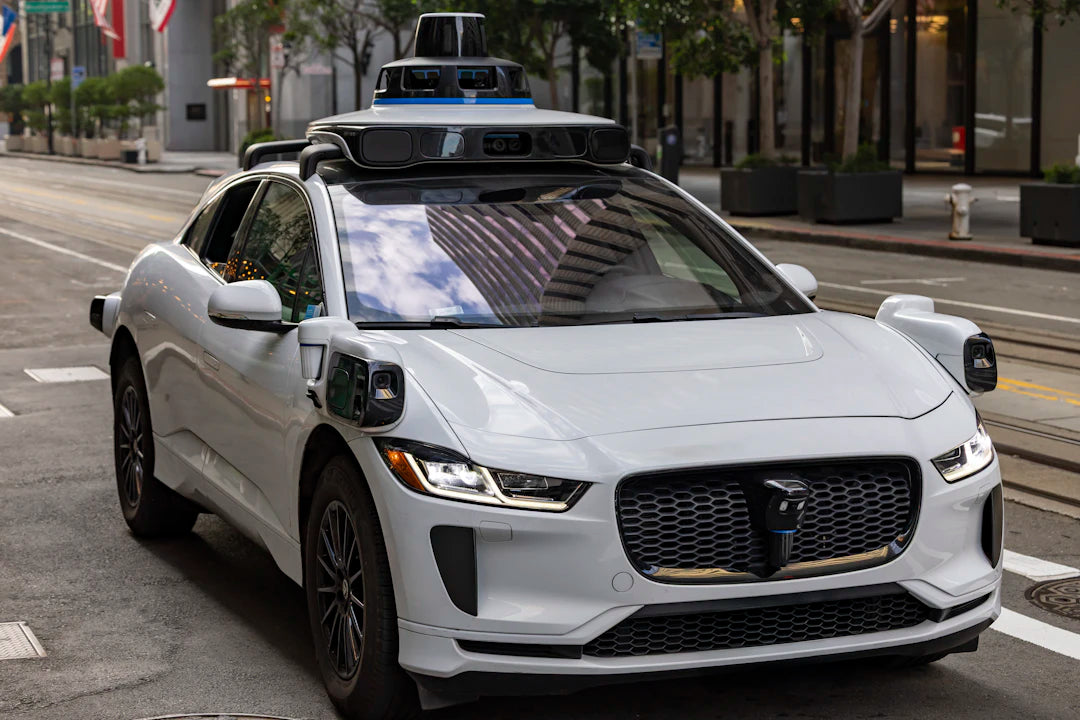
Overview
Autonomous vehicles are transforming transportation with self-driving technology that enhances safety, efficiency, and accessibility. Key components include sensors, AI, and V2X connectivity. Despite challenges like regulatory hurdles and public skepticism, increased investment and collaboration promise a bright future for self-driving cars, potentially leading to reduced road fatalities and environmental benefits.
Frequently Asked Questions
1. What are autonomous vehicles?
2. What are the different levels of automation for autonomous vehicles?
3. What technology is involved in self-driving cars?
4. What are the benefits of autonomous vehicles?
5. What challenges do autonomous vehicles face?
In recent years, the concept of autonomous vehicles has transitioned from science fiction to an exciting reality. As technology advances, the automotive industry is embracing innovation, aiming for a future where cars drive themselves. With the potential to revolutionize transportation, the rise of autonomous vehicles is a topic that demands our attention. In this article, we'll delve into what autonomous vehicles are, the technology behind them, and what we can expect in the coming years.
Understanding Autonomous Vehicles
Autonomous vehicles, often referred to as self-driving cars, are vehicles equipped with technology that allows them to navigate and drive without human intervention. These vehicles rely on a combination of sensors, software, and artificial intelligence (AI) to interpret their environment and make driving decisions.
The Levels of Automation
The Society of Automotive Engineers (SAE) has defined six levels of vehicle automation, ranging from Level 0, which is fully manual driving, to Level 5, which represents full autonomy. Here’s a brief overview:
- Level 0: No automation; the driver performs all tasks.
- Level 1: Driver assistance; the vehicle offers support with functions like cruise control.
- Level 2: Partial automation; the vehicle can control both steering and acceleration/deceleration but requires driver supervision.
- Level 3: Conditional automation; the vehicle can perform all driving tasks in specific conditions but requires human intervention when requested.
- Level 4: High automation; the vehicle can perform all driving tasks in most environments without human intervention.
- Level 5: Full automation; the vehicle is capable of all driving tasks in all conditions.
The Technology Behind Self-Driving Cars
Several key components underlie the advancement of autonomous vehicle technology. Here are some critical elements at play:
Sensors
Autonomous vehicles utilize a variety of sensors to perceive their environment. This includes:
- LiDAR: Light Detection and Ranging technology uses laser beams to create a 3D map of the car's surroundings.
- Radar: Radio waves help detect objects, measure distances, and enable adaptive cruise control.
- Cameras: Image sensors provide visual data, identifying everything from road signs to pedestrians.
Artificial Intelligence
AI plays a pivotal role in analyzing the data collected from sensors. By using deep learning algorithms, the vehicle can recognize patterns, understand traffic rules, and make decisions based on real-time data. This capability is essential for ensuring safety and efficiency on the road.
Connectivity
Autonomous vehicles are designed to be highly connected. Vehicle-to-everything (V2X) communication allows cars to communicate with each other and surrounding infrastructure, such as traffic lights and road signs. This connectivity can enhance safety and optimize traffic flow.
Benefits of Autonomous Vehicles
The rise of autonomous vehicles presents numerous advantages for society and the environment. Here are some key benefits:
Improved Safety
With human error being a leading cause of accidents, autonomous vehicles hold the potential to significantly reduce road fatalities. Advanced sensors and real-time data analysis can help avoid collisions and enhance overall road safety.
Increased Efficiency
Self-driving cars can communicate with each other to optimize traffic flow, reduce congestion, and ensure smooth transportation. This efficiency can lead to shorter commute times and lower fuel consumption, contributing positively to environmental sustainability.
Accessibility
Autonomous vehicles can enhance mobility for individuals who are unable to drive, including the elderly and disabled. By providing reliable transportation options, self-driving cars can improve the quality of life for many people.
Reduced Parking Needs
Autonomous vehicles can drop passengers off at their destinations and park themselves in designated areas. This maneuver can lessen the demand for parking spaces in crowded urban areas, freeing up valuable real estate for other uses.
Challenges Facing Autonomous Vehicles
While the advantages of autonomous vehicles are promising, several challenges need to be addressed before they become mainstream.
Regulatory Hurdles
The integration of autonomous vehicles into existing traffic systems requires new regulations and guidelines. Policymakers must establish framework rules to govern self-driving technology, ensuring they are safe and reliable for public use.
Public Perception
Many individuals are skeptical about the safety of self-driving cars. Building trust in autonomous technology will take time, as education and outreach efforts are needed to alleviate concerns and emphasize the benefits of this advancement.
Technical Limitations
Despite significant technological advancements, autonomous vehicles still face limitations, particularly regarding complex driving situations. Adverse weather conditions, such as heavy rain or snow, can impair sensor effectiveness, making it challenging for self-driving cars to navigate safely.
What the Future Holds for Autonomous Vehicles
The future of autonomous vehicles is bright but requires collaboration between industries, governments, and the public. Here are several trends to watch in the coming years:
Increased Investment
Organizations globally are investing heavily in research and development related to autonomous vehicles. As competition drives innovation, we can anticipate rapid advancements in self-driving technology over the next decade.
Collaborative Mobility Solutions
The rise of autonomous vehicles may lead to a shift in mobility solutions, with more emphasis on shared transportation services. Ride-sharing and vehicle-sharing platforms are likely to evolve, integrating self-driving technology to optimize urban transportation networks.
Environmental Benefits
As autonomous vehicles advance, there is potential for a reduction in carbon emissions, especially when paired with electric driving technology. The combination of self-driving capabilities with electric power can contribute to a more sustainable future and align with climate goals.
Embracing the Autonomous Revolution
The rise of autonomous vehicles reflects a transformative shift in how we perceive transportation. While challenges exist, the potential benefits of improved safety, enhanced efficiency, and greater accessibility make it clear that we are on the cusp of an automotive revolution. As technology continues to advance, it’s essential to keep up with the developments in this exciting field and remain informed about how these innovations might impact our daily lives. Embracing the autonomous vehicle revolution not only prepares us for the future but adds to the collective effort to create a safer and more connected world on the road.
