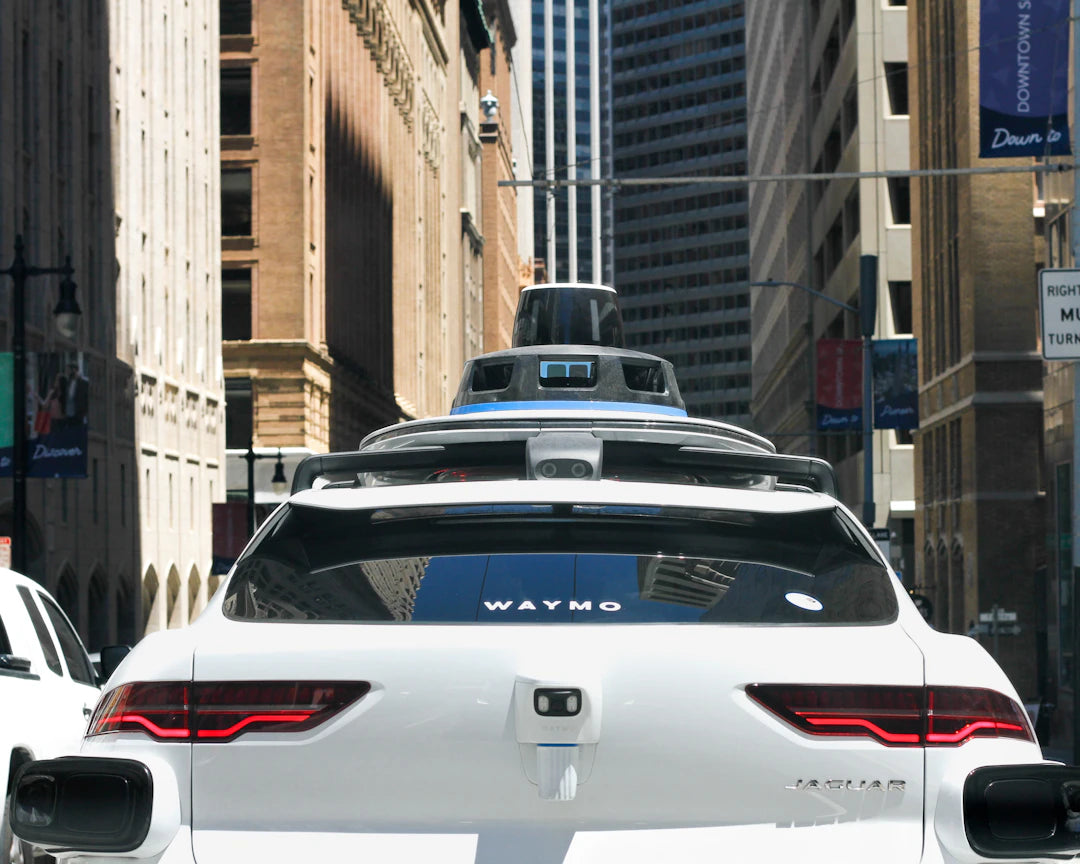
Overview
- Autonomous vehicles (AVs) use AI and sensors for self-driving, classified from Level 0 (no automation) to Level 5 (full automation).
- They promise enhanced safety, improved traffic management, and environmental benefits.
- Major companies like Waymo, Tesla, and Uber are leading AV technology development.
- Challenges include regulatory hurdles, public acceptance, and technical issues.
- The future includes shared mobility solutions, integration with smart cities, and personalized experiences.
Frequently Asked Questions
1. What are autonomous vehicles (AVs)?
2. How are autonomous vehicles classified?
3. What are the benefits of autonomous vehicles?
4. What challenges do autonomous vehicles face?
5. What does the future hold for autonomous vehicles?
The evolution of transportation is taking a dramatic turn with the advent of autonomous vehicles (AVs). These self-driving cars are not just a futuristic concept but are steadily becoming a reality, promising to revolutionize how we commute, interact with our environment, and the impact they have on our lives. This article dives deep into the rise of autonomous vehicles, exploring their technology, benefits, challenges, and the future landscape of driving.
Understanding Autonomous Vehicles
Autonomous vehicles use advanced technologies, including artificial intelligence, machine learning, sensors, and cameras, to navigate without human intervention. This innovative realm is classified into different levels, according to the Society of Automotive Engineers (SAE), ranging from Level 0 (no automation) to Level 5 (full automation). Let's delve into these levels more specifically:
Levels of Automation
- Level 0: No Automation - Human drivers perform all tasks.
- Level 1: Driver Assistance - The vehicle can assist with either steering or acceleration/deceleration.
- Level 2: Partial Automation - The car can simultaneously control steering and acceleration/deceleration, but the human driver must remain engaged.
- Level 3: Conditional Automation - The vehicle can perform all driving tasks under specific conditions, with the driver required to take over when prompted.
- Level 4: High Automation - The vehicle can manage all tasks and perform safely without human intervention in certain environments, like urban settings.
- Level 5: Full Automation - No human intervention is required, regardless of the environment.
In essence, as we progress through these levels, we see the potential for vehicles to take over most, if not all, driving tasks from human drivers.
Why Are Autonomous Vehicles Gaining Popularity?
Several factors contribute to the rise of autonomous vehicles. Let’s examine some of the most compelling reasons:
Enhanced Safety
One of the main goals of autonomous vehicles is to reduce traffic accidents caused by human error, which accounts for approximately 94% of all road accidents. With the implementation of advanced sensors and algorithms, AVs can react faster than human drivers, making them potentially safer. Additionally, with the use of consistent drone surveillance and data, they can predict and respond to possible hazards in real-time.
Improved Traffic Management
With the worldwide population continually on the rise, traffic congestion is becoming a significant issue. AVs communicate with each other to optimize traffic flow, potentially reducing congestion by 20-30% in urban areas. This smart communication reduces stop-and-go traffic scenarios and allows vehicles to make more informed decisions.
Environmental Benefits
Electric autonomous vehicles (EAVs) are becoming more prominent, promoting eco-friendly practices. By optimizing driving behaviors, such as acceleration and braking, they enhance fuel efficiency and reduce emissions. Furthermore, the shift towards shared mobility solutions—where AVs are used in ride-hailing services—could lead to fewer vehicles on the road and lower overall emissions.
The Current State of Autonomous Vehicle Technology
The technology powering autonomous vehicles has advanced significantly. Major companies and startups alike are investing billions into research and development. Also, governmental entities are creating policies and regulations to accommodate this new technology.
Companies Leading the Charge
Numerous manufacturers and tech companies are at the forefront of autonomous vehicle development. Notable leaders include:
- Waymo - Originally a project under Google, Waymo has evolved into a leading AV technology provider, carrying out extensive road testing.
- Tesla - Known for its electric cars, Tesla has made significant strides in self-driving technology, pushing the boundaries of what AVs can achieve through over-the-air software updates.
- Uber - Post their original focus on ride-hailing, Uber is heavily investing in AV technology to improve their service offering and reduce operational costs.
- General Motors and Ford - Traditional automobile manufacturers are rapidly integrating AV technology into their fleets, focusing on both consumer vehicles and commercial applications.
Challenges to Overcome
Despite the remarkable potential of autonomous vehicles, many challenges still need addressing before full-scale adoption can take place:
Regulatory Hurdles
The legal landscape surrounding autonomous vehicles is still evolving. Policymakers must balance innovation with safety, and this often leads to complex regulations that vary from state to state. Comprehensive legislation will be necessary to manage liability issues, traffic laws, insurance, and other pertinent regulations governing AV usage.
Public Perception and Acceptance
The idea of self-driving cars incites a mix of excitement and apprehension among the public. Issues of safety, trust, and familiarity can dominate conversations about AVs. Comprehensive education campaigns will be necessary to familiarize society with AV technology and its safety benefits, fostering wider acceptance.
Technical Challenges
Autonomous vehicles rely on intricate algorithms and vast amounts of data for navigation. As with any technology, glitches can occur, potentially leading to catastrophic consequences in real-world applications. Continuous improvement of sensors, data processing capabilities, and reliable communication systems is essential.
The Future of Driving with Autonomous Vehicles
The road ahead for autonomous vehicles is both exciting and complex. As technology improves and social attitudes shift, the integration of AVs into our daily lives will likely evolve in stages. Let’s look at some anticipated developments:
Shared Mobility Solutions
The popularity of ride-sharing services has already changed how many people approach mobility. The future will see a surge in fleet-operated autonomous ridesharing services, reducing the total number of vehicles on the roads while providing easily accessible transportation options for all.
Integration with Smart Cities
With the rise of autonomous vehicles, cities will increasingly adopt smart technologies to better manage infrastructure. AVs will work in conjunction with smart traffic signals, reducing congestion and fostering safer driving environments. Smart cities will not only support AVs but will also enhance energy efficiency through improved traffic flow.
Personalization and Data Utilization
As AV technology matures, users will enjoy enhanced personalization options. Data collected by AVs can lead to better service offerings, tailored experiences, and more effective maintenance scheduling. Companies will leverage this data to streamline operations and enhance customer satisfaction.
Embracing the Future of Autonomous Vehicles
The rise of autonomous vehicles marks a significant shift in how we understand transportation, safety, and urban planning. While challenges exist, the potential for improvement in safety, traffic management, and the environment presents exciting opportunities. As technology continues to evolve, so too will our ability to adapt and embrace this new frontier in mobility. Awareness and acceptance will shape our journey into this innovative future, ultimately redefining how we travel and interact with our world. Join the conversation and stay ahead of the curve as we navigate the exciting developments in autonomous vehicles!
