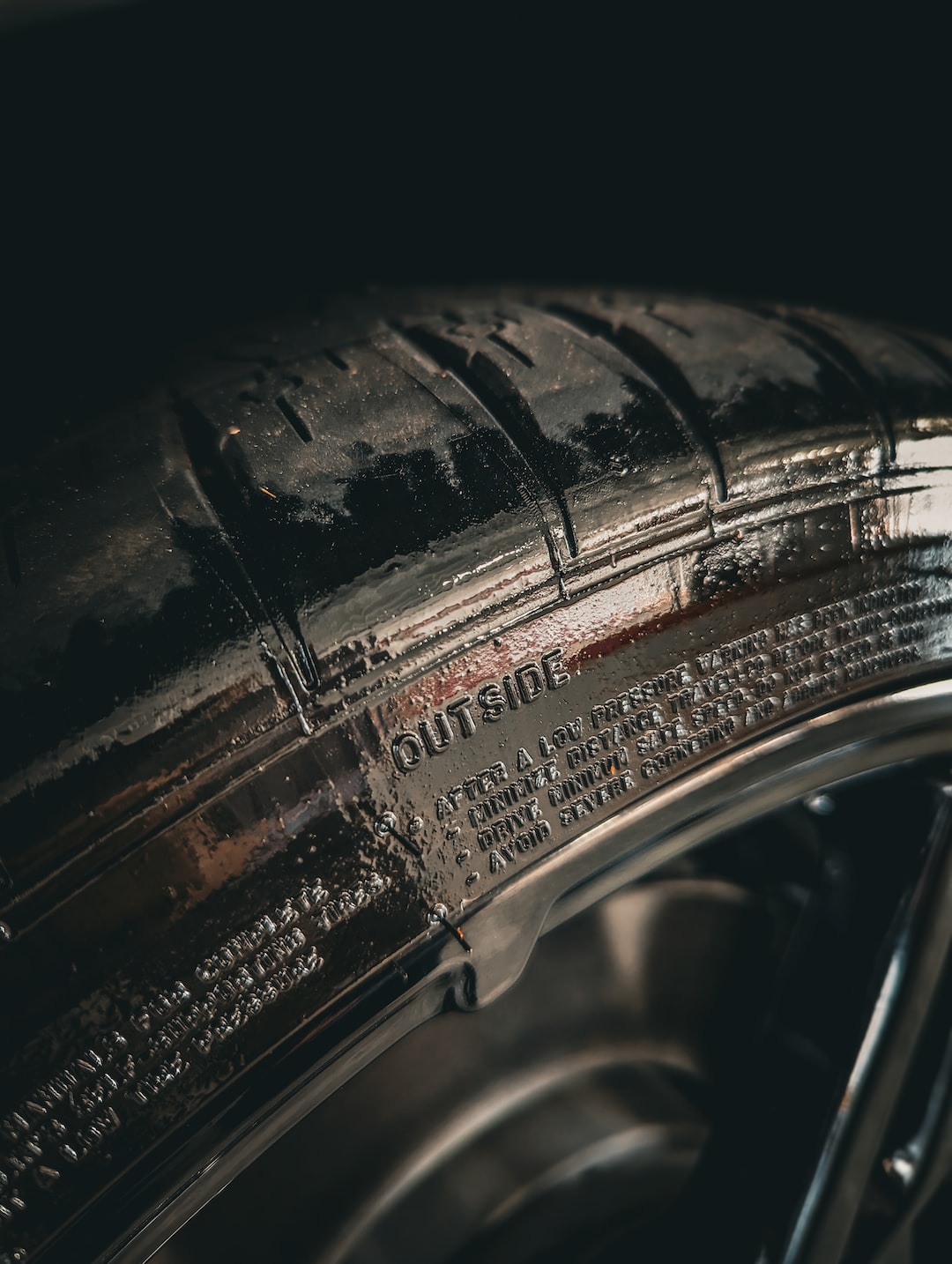
When it comes to car maintenance, there's one component that often gets overlooked - tires. Many drivers underestimate the crucial role that tires play in their safety on the road. Proper tire maintenance is not only a matter of extending tire life and getting the most out of your investment, but it's also about keeping yourself and others safe on the road. In this article, we will explore the importance of maintaining your tires and some practical tips to help you keep them in optimum condition.
1. Enhanced Safety
Tires are the only point of contact between your vehicle and the road. Properly maintained tires ensure better traction, improving braking efficiency, and reducing the risk of skidding or hydroplaning. Regularly checking tire pressure, tread depth, and overall tire condition is essential to prevent accidents and ensure optimal performance in all weather conditions.
2. Fuel Efficiency
Did you know that the condition of your tires can impact your vehicle's fuel economy? Underinflated tires increase rolling resistance, causing your engine to work harder and burn more fuel. By keeping your tires properly inflated, you can improve fuel efficiency and save money at the pump. Regular tire maintenance can go a long way in reducing your carbon footprint and promoting environmental sustainability.
3. Extended Tire Life
Quality tires are a significant investment, and proper maintenance can help you get the most out of them. Regularly checking tire pressure and rotating your tires can ensure that they wear evenly, extending their lifespan. Neglecting tire maintenance can lead to premature wear and tear, reducing the overall mileage you can get from a set of tires.
4. Improved Handling and Performance
Driving with improperly maintained tires can have a noticeable impact on your vehicle's handling and performance. Underinflated tires can make your car feel sluggish and less responsive, while overinflated tires can result in a stiff and uncomfortable ride. Keeping your tires properly inflated and well-maintained ensures optimal handling, stability, and overall performance, taking your driving experience to the next level.
5. Better Traction on Different Surfaces
The condition of your tires can greatly impact your vehicle's ability to navigate different surfaces. Whether you're driving on wet roads, icy conditions, or off-road terrain, properly maintained tires with sufficient tread depth offer better traction and grip. This improves your vehicle's overall stability and maneuverability, reducing the risk of accidents, particularly in challenging driving conditions.
6. Avoidance of Costly Repairs
Neglecting tire maintenance can lead to costly repairs down the road. For instance, driving on underinflated tires can cause them to overheat and potentially blowout. These types of tire failures not only put your safety at risk but also result in unexpected expenses. By regularly inspecting your tires and addressing any issues promptly, you can avoid more extensive damage and costly repairs.
7. Confidence on the Road
Proper tire maintenance enhances your confidence as a driver. When you know that your tires are in good condition, you can drive with peace of mind, knowing that your vehicle is less likely to experience a tire-related malfunction. Feeling confident on the road allows you to remain focused and attentive, reducing the risk of accidents caused by panic or loss of control.
8. Compliance with Legal Requirements
Tire maintenance is not only important for safety and performance reasons but also for legal compliance. In many jurisdictions, there are specific regulations regarding tire condition and tread depth. Failing to meet these requirements can result in significant fines and penalties. By regularly maintaining your tires, you can ensure that they meet the required standards, keeping you on the right side of the law.
9. Regular Inspections
One of the key aspects of tire maintenance is conducting regular inspections. Check the tread depth of your tires using a penny or a depth gauge. If the tread does not reach Lincoln's head on a penny, it may be time to replace them. Additionally, inspect your tires for any signs of uneven wear, cracking, bulges, or other damage that may warrant immediate attention. Be sure to check your tire pressure regularly as well.
10. Tire Rotation
Rotating your tires regularly can help promote even tire wear, extending their overall lifespan. The front and rear tires of a vehicle experience different forces and wear patterns, and rotating them ensures that all tires wear down at a similar rate. Consult your vehicle's manual or a professional mechanic for guidance on the appropriate tire rotation pattern.
11. Proper Tire Inflation
Checking tire pressure is a simple but important step in tire maintenance. Underinflated or overinflated tires can lead to premature wear, reduced fuel efficiency, and compromised handling and safety. Use a reliable tire pressure gauge to check the pressure against the manufacturer's recommended levels. Remember to check your spare tire as well.
12. All-Weather Tires
Consider investing in all-weather tires that are specially designed to perform well in a variety of weather conditions - from scorching summers to icy winters. These tires provide the necessary traction and grip required for safe driving, regardless of the weather. They eliminate the need for seasonal tire changeovers, saving you time and money in the long run.
Drive Safe, Stay Informed!
No matter the make or model of your vehicle, tire maintenance should always remain a top priority. Proper tire maintenance not only ensures your safety on the road but also promotes better fuel efficiency, extends tire life, and improves overall performance. By incorporating these tips into your regular car maintenance routine, you'll enjoy a smoother, safer, and more cost-effective driving experience.
