Overview
Connected vehicles are revolutionizing the driving experience through advanced technology, enhancing safety with features like collision avoidance and adaptive cruise control, improving efficiency with smart navigation and remote monitoring, and providing a holistic infotainment experience. However, challenges such as cybersecurity and the balance between technology and human input must be addressed. Future trends include Vehicle-to-Everything (V2X) communication and autonomous driving, promising a new era for the automotive industry with smarter, safer, and more efficient mobility.
Frequently Asked Questions
1. What are connected vehicles?
2. How do connected vehicles enhance safety?
3. What are some benefits of smart navigation systems in connected vehicles?
4. What are the cybersecurity risks associated with connected vehicles?
5. What future trends are expected in the connected vehicle space?
The automotive industry is witnessing a seismic shift as connected vehicles fundamentally revolutionize the driving experience. With advancements in technology and connectivity, drivers can now enjoy smarter, safer, and more efficient rides than ever before. This article will explore how connected vehicles are transforming the driving experience and what that means for the future of automobile travel.
The Rise of Connected Vehicles
Connected vehicles are equipped with internet access and various sensors, enabling hybrid communication between the car, its occupants, and other external networks. The integration of technologies like GPS, Wi-Fi, and cellular networks allows these vehicles to communicate in real-time, providing functionalities that were once unimaginable. From predictive maintenance alerts to over-the-air software updates, this evolution is paving the way for a more interactive and responsive driving experience.
Enhancing Safety Features
Safety is a primary concern for every driver, and connected vehicles are addressing this with an impressive array of features designed to prevent accidents and protect drivers and passengers. Through Car-to-Car (C2C) and Car-to-Infrastructure (C2I) communication, connected vehicles can share vital information about road conditions, traffic, and potential hazards.
Collision Avoidance Systems
One of the most significant advancements in connected vehicle technology is collision avoidance systems. By utilizing real-time data from other connected vehicles and infrastructure, these systems can warn drivers of impending dangers, allowing for timely responses that could prevent accidents.
Adaptive Cruise Control
Adaptive cruise control takes traditional cruise control to a whole new level. With sensors and GPS coordination, these systems automatically adapt to the speed of the traffic flow, maintaining a safe distance from other vehicles. This feature not only promotes safety but also enhances fuel efficiency by optimizing acceleration and braking.
Improving Efficiency and Convenience
Connected vehicles are not only focused on safety but also significantly enhancing efficiency and convenience for users. The ability to gather and process data makes driving more comfortable and engages users in an intuitive manner.
Smart Navigation Systems
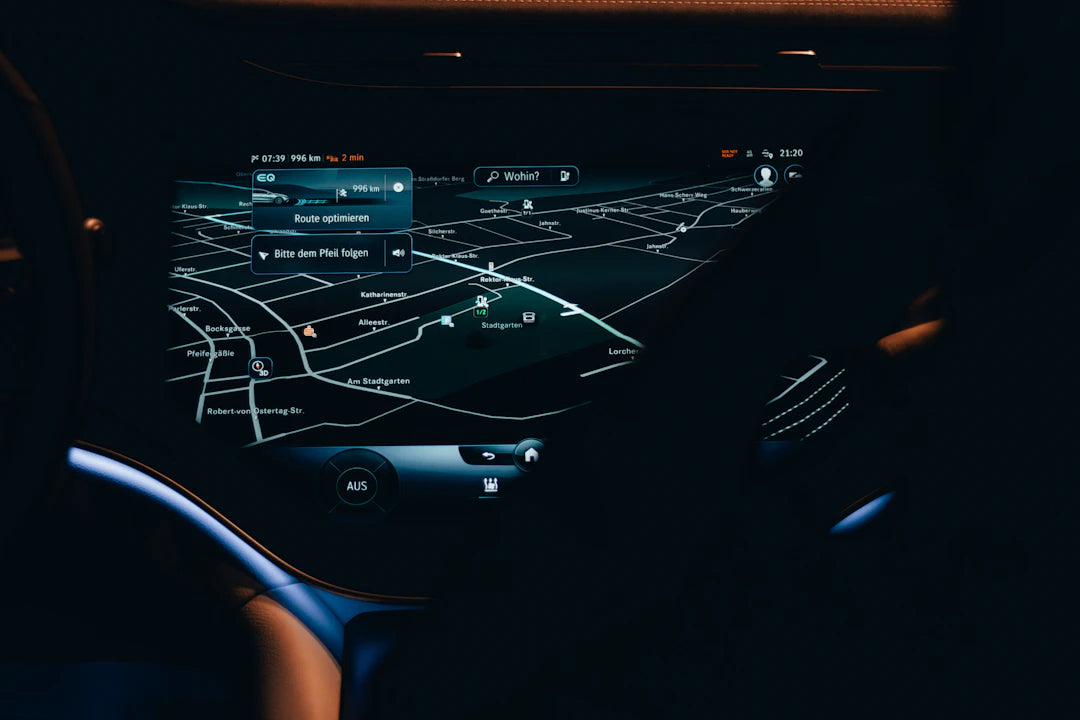
Gone are the days of outdated maps or risk of getting lost. Smart navigation systems integrated within connected vehicles provide real-time traffic updates, route optimizations, and estimated arrival times. These systems consider factors like weather conditions and traffic patterns to ensure that you take the fastest and least congested routes, saving time and fuel.
Remote Vehicle Monitoring
Another feature that showcases the convenience of connected vehicles is remote monitoring. Using a smartphone application, drivers can check their vehicle's status from anywhere. This includes features such as tracking fuel levels, diagnosing vehicle health, and even starting or locking the vehicle remotely. This level of connectivity empowers drivers to manage their vehicle's performance and maintenance proactively.
The Role of Infotainment Systems
Infotainment systems are a cornerstone of the connected vehicle experience. More than just entertainment, these systems combine navigation, communication, and information access to create a holistic in-car experience. Drivers and passengers can enjoy music, podcasts, and audiobooks while staying connected with friends and family through hands-free calls and texts.
Integration with Mobile Devices
Many modern connected vehicles offer seamless integration with smartphones, allowing drivers to access their apps, music libraries, and messages without distraction. Features like Apple CarPlay and Android Auto help maintain focus on the road while allowing convenient access to the vehicle's numerous functionalities.
Challenges and Considerations
As with any technological advancement, the rise of connected vehicles brings challenges that must be addressed to ensure their effectiveness and safety. Issues such as cybersecurity, data privacy, and the potential for technology dependence require careful consideration by manufacturers and consumers alike.
Cybersecurity Risks
One significant risk associated with connected vehicles is cybersecurity. With an increasing number of devices interconnected, the threat of hacking and data breaches grows. Ensuring that manufacturers implement robust security protocols, regular software updates, and encrypted communications is crucial to safeguarding user data and maintaining the vehicle's integrity.
Balancing Technology and Human Input
As vehicles become more autonomous, there is a growing concern about drivers becoming overly reliant on technology. Striking a balance between technological convenience and human responsibility is essential to maintaining safety on the road. Drivers must remain vigilant and mindful while utilizing advanced features, ensuring they remain engaged and attentive to their surroundings.
The Road Ahead: Future Trends
The future of connected vehicles is promising, with several trends on the horizon that will continue to reshape the driving experience. Innovations in artificial intelligence, machine learning, and Internet of Things (IoT) technologies are expected to advance the capabilities of connected vehicles even further.
Vehicle-to-Everything (V2X) Communication
One of the most exciting trends in the connected vehicle space is the development of Vehicle-to-Everything (V2X) communication. This technology will allow vehicles to communicate not just with each other or road infrastructure but with pedestrians, cyclists, and even traffic signals. By enhancing situational awareness, V2X can significantly improve overall road safety and traffic efficiency.
Autonomous Driving
The integration of autonomous driving into the connected vehicle ecosystem is expected to become a reality in the coming years. As companies continue to innovate in self-driving technology, vehicles will be capable of navigating without human intervention, changing the way people think about transportation and mobility entirely. This shift will bring new environments for ownership and the potential for shared driving experiences.
A New Era for Automotive Industry
The transformation of the driving experience through connected vehicles marks a new era for the automotive industry. As technology continues to evolve, the lines between connectivity, safety, efficiency, and convenience will blur, opening doors to possibilities and innovations previously thought unattainable. By embracing these changes, drivers can enjoy a future of enhanced mobility that not only meets their needs but also anticipates them.
Stay tuned! The future of connected vehicles is just beginning, and the possibilities are endless. Experience the thrill of driving as it becomes more connected, more intelligent, and ultimately, a more rewarding venture. Buckle up—you're in for an exhilarating ride!