
Overview
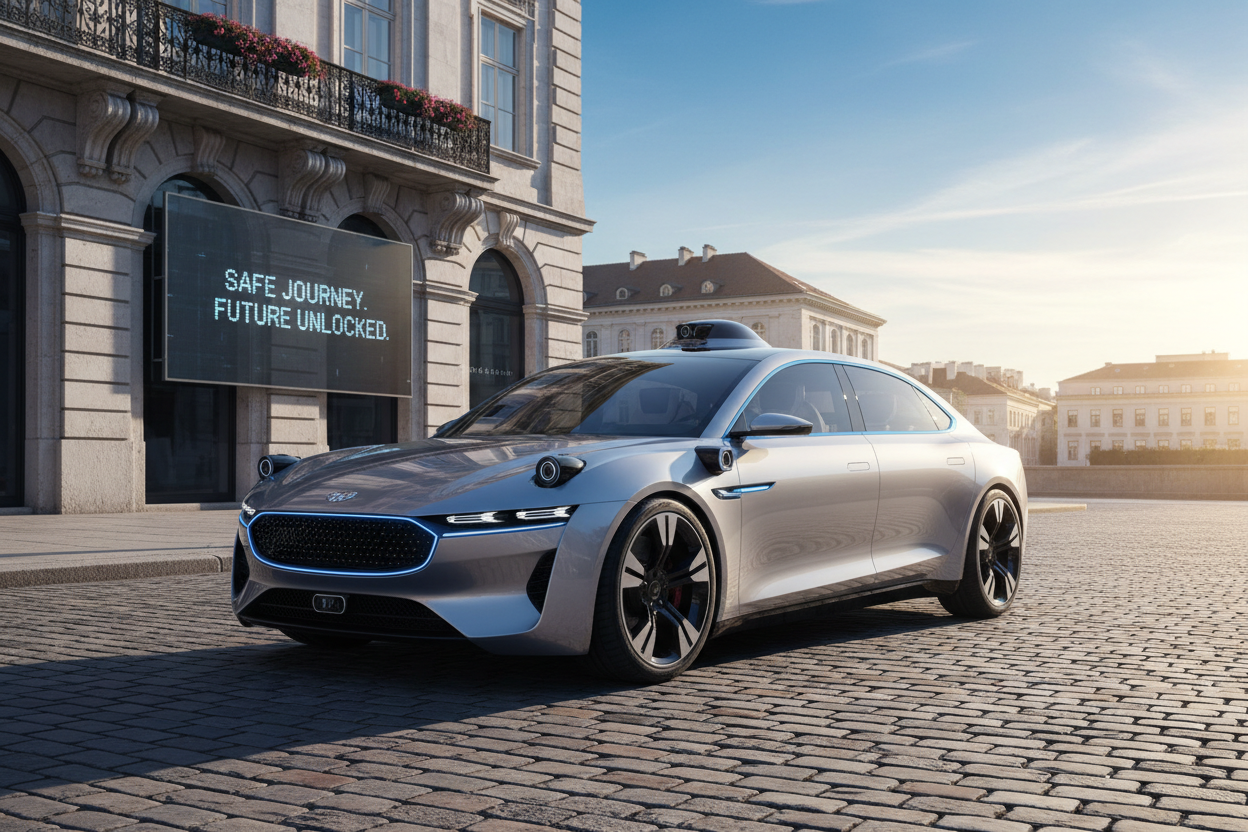
Autonomous vehicles are transforming the automotive industry with advanced technologies that allow cars to operate without human intervention. They are categorized into five levels of autonomy, ranging from no automation to fully autonomous vehicles. Key technologies include sensors, AI, and connectivity, offering benefits like increased safety, enhanced mobility, reduced traffic congestion, and lower environmental impact. However, challenges such as regulatory issues, technological limitations, and public acceptance remain. The future of autonomous vehicles is promising, with potential integration into smart cities and public transport systems.
Table of Contents
- What Are Autonomous Vehicles?
- The Levels of Autonomy
- Level 0: No Automation
- Level 1: Driver Assistance
- Level 2: Partial Automation
- Level 3: Conditional Automation
- Level 4: High Automation
- Level 5: Full Automation
- The Technologies Behind Autonomous Vehicles
- Sensor Technology
- Artificial Intelligence and Machine Learning
- Connectivity
- The Benefits of Autonomous Vehicles
- Increased Safety
- Enhanced Mobility
- Reduced Traffic Congestion
- Environmental Impact
- Challenges to Overcome
- Regulatory and Legal Framework
- Technological Limitations
- Public Acceptance
- The Future of Autonomous Vehicles
- Integration with Public Transport
- Smart Cities
- Customization and Personalization
- Stepping Into a New Era
Frequently Asked Questions
1. What are autonomous vehicles?
2. What are the different levels of autonomy for self-driving cars?
3. What technologies enable autonomous vehicles to operate?
4. What are the potential benefits of autonomous vehicles?
5. What are the challenges facing the widespread adoption of autonomous vehicles?
In recent years, the automotive industry has experienced a seismic shift, largely driven by advancements in technology and consumer demand for innovation. Autonomous vehicles, also known as self-driving cars, have emerged as a symbol of this evolution. As we stand on the brink of this automotive revolution, it's vital to understand what autonomous vehicles are, how they operate, and what we can expect in the coming years. This blog post dives deep into the future of self-driving cars and its implications for both consumers and the automotive industry.
What Are Autonomous Vehicles?
Autonomous vehicles are equipped with advanced sensor technologies, artificial intelligence, and machine learning capabilities designed to navigate and operate without human intervention. These vehicles can interpret sensory information to identify obstacles, make decisions, and execute driving maneuvers. While the technology is still evolving, the ultimate goal is to decrease the reliance on human drivers, thus enhancing road safety and efficiency.
The Levels of Autonomy
Understanding autonomous vehicles can be simplified by breaking them down into different levels of autonomy, as defined by the Society of Automotive Engineers (SAE). This classification system ranges from Level 0 to Level 5:
Level 0: No Automation
At this level, the vehicle relies entirely on human control, with no assistance from automated systems.
Level 1: Driver Assistance
Vehicles feature basic assistance technologies, such as lane assist or adaptive cruise control, which support the driver but do not take over driving tasks.
Level 2: Partial Automation
Here, vehicles can control both steering and acceleration/deceleration under certain conditions, but the driver must remain engaged and monitor the environment actively.
Level 3: Conditional Automation
At Level 3, vehicles can handle most driving tasks independently but still require human intervention in complex situations. Drivers must be ready to take control when prompted.
Level 4: High Automation
Vehicles can operate independently in certain environments (e.g., urban areas) but may require human control in more challenging scenarios.
Level 5: Full Automation
This represents a future where vehicles can operate completely without human intervention in all environments, offering the ultimate convenience.
The Technologies Behind Autonomous Vehicles
Several key technologies drive the functionality of autonomous vehicles. Understanding these technologies provides insight into how these vehicles safely navigate and operate on the roads.
Sensor Technology
Autonomous vehicles are equipped with an array of sensors such as cameras, lidar (light detection and ranging), radar, and ultrasonic sensors that gather data about the vehicle's surroundings. This data is crucial for identifying obstacles, lane boundaries, and other vehicles on the road.
Artificial Intelligence and Machine Learning
Self-driving cars leverage artificial intelligence to process data and make decisions. Machine learning algorithms help the vehicle learn from past experiences, improving its ability to navigate and respond to various driving conditions over time.
Connectivity
Having robust connectivity is essential for autonomous vehicles. Vehicles are connected to the internet and other vehicles, providing them with real-time data on traffic conditions, weather updates, and more. This connectivity helps optimize routes and enhances safety.
The Benefits of Autonomous Vehicles
As the automotive industry shifts towards autonomy, the potential benefits are significant.
Increased Safety
With human error accounting for a large percentage of road accidents, autonomous vehicles have the potential to greatly reduce crashes. Their ability to process data rapidly and react faster than humans can lead to safer roads.
Enhanced Mobility
Autonomous vehicles can provide greater mobility for individuals unable to drive, such as the elderly or disabled. This not only improves their independence but also enhances their quality of life.
Reduced Traffic Congestion
Self-driving cars can communicate with each other and optimize their routes, thereby minimizing traffic congestion. Efficient traffic flow can lead to shorter travel times and reduced fuel consumption.
Environmental Impact
Autonomous vehicles can be designed to be more fuel-efficient or even fully electric, reducing the environmental footprint of personal transportation.
Challenges to Overcome
While the benefits of autonomous vehicles are compelling, there are several key challenges the industry faces before widespread adoption can occur.
Regulatory and Legal Framework
The current legal and regulatory environment is not fully equipped to manage the implications of self-driving technology. Laws regarding liability in the event of an accident involving an autonomous vehicle need to be established.
Technological Limitations
Although progress has been remarkable, there are still technical hurdles to address. For instance, autonomous vehicles may struggle in adverse weather conditions or complex driving environments, such as construction zones or heavy urban traffic.
Public Acceptance
Even the most advanced technology faces skepticism from the public. Educating consumers on the benefits and safety of autonomous vehicles will be key to gaining widespread acceptance.
The Future of Autonomous Vehicles
Looking ahead, the future of autonomous vehicles is both exciting and uncertain. Various companies are currently conducting extensive trial runs, and some cities have already begun implementing pilot programs. Experts anticipate that the next decade will see gradual integration of autonomous technology into daily transportation.
Integration with Public Transport
One of the most exciting prospects is the integration of autonomous vehicles with public transport systems. This combination can enhance the efficiency of urban mobility, providing seamless transportation options for citizens.
Smart Cities
As cities invest in becoming smarter and more interconnected, autonomous vehicles will play a critical role in this transformation. These vehicles can operate in tandem with smart traffic signals and infrastructure designed to facilitate their movement, contributing to a more efficient urban environment.
Customization and Personalization
Advancements in technology will allow for a highly personalized driving experience. For instance, your vehicle may learn your preferences regarding routes, settings, and even entertainment options during commutes.
Stepping Into a New Era
As we mull over the potential of autonomous vehicles, it's essential to remember that technology is evolving at an unprecedented rate. Continuous innovation combined with public interest and regulatory support could lead to a brave new world of transportation, redefining how we commute, travel, and interact with our vehicles. While there are challenges to address, the roadmap to full autonomy is becoming clearer each day. Preparedness for this shift is key—embracing the changes and recognizing the opportunities they present will ensure we are ready for the future of mobility.
Glossary
| Term | Meaning |
|---|---|
| Autonomous Vehicles | Self-driving cars that operate without human input. |
| Levels of Autonomy | Classification of vehicles from Level 0 (no automation) to Level 5 (full automation). |
| Sensor Technology | Devices like cameras and lidar that gather data about surroundings. |
| Artificial Intelligence | Technology enabling vehicles to process data and make decisions. |
| Machine Learning | Algorithms that help vehicles learn from past experiences. |
| Connectivity | Real-time internet and vehicle-to-vehicle communication for data sharing. |
| Traffic Congestion | Crowded road conditions that can be alleviated by autonomous vehicles. |
| Regulatory Framework | Legal guidelines needed to govern autonomous vehicle operations. |
| Public Acceptance | Consumer willingness to embrace autonomous vehicle technology. |
| Smart Cities | Urban areas utilizing technology to improve efficiency, including transportation. |