
Overview
Virtual Reality (VR) is transforming the automotive sales experience by enhancing customer engagement, improving information delivery, and streamlining the sales process. It allows potential buyers to explore vehicles in immersive ways, reducing costs for dealerships and time for customers. Despite challenges like technology costs and user accessibility, the future of VR in automotive sales looks promising with trends such as integration with Augmented Reality and personalized experiences.
Frequently Asked Questions
1. What is Virtual Reality in automotive sales?
2. What are the benefits of using Virtual Reality in automotive sales?
3. How does Virtual Reality impact different stages of the customer journey?
4. What challenges do dealerships face when implementing Virtual Reality?
5. What future trends are expected in Virtual Reality for automotive sales?
The automotive sales industry is undergoing a rapid transformation, with technology enhancing the way consumers interact with vehicles. One of the most significant innovations is Virtual Reality (VR), which has the potential to redefine the car buying experience. In this blog post, we will explore the role of virtual reality in the automotive sales experience and how it is becoming an invaluable tool for dealerships and consumers alike.
Understanding Virtual Reality in Automotive Sales
Virtual reality refers to a simulated experience that can be similar to or completely different from the real world. In the context of automotive sales, VR technology offers a fully immersive experience for potential buyers, allowing them to explore vehicles in a way that traditional methods cannot. This advancement is especially important in today's digital-first sales environment, where visual appeal and immersive experiences play a crucial role in consumer decision-making.
The Benefits of Virtual Reality in the Automotive Sales Experience
Adopting virtual reality in automotive sales can yield numerous benefits for both dealerships and consumers. Here are some of the notable advantages:
Enhanced Customer Engagement
When potential buyers can experience a car through virtual reality, they are more likely to feel engaged with the product. This immersive experience allows customers to interact with features of the vehicle, visualize their potential purchases, and grasp the scale and design of various models. This heightened level of engagement can create emotional connections, leading to higher purchase intent.
Cost Efficiency for Dealerships
Implementing a VR system can help automotive dealerships reduce costs associated with maintaining a large inventory of cars on the lot. With VR technology, customers can view multiple vehicle models without the need for physical stock. This not only saves space but also minimizes the expenses related to maintenance and transport of numerous vehicles.
Reduction of Time in the Sales Process
For many consumers, the car buying process can be lengthy and overwhelming. Virtual reality helps streamline this experience, allowing customers to narrow down their options and make informed decisions more quickly. By virtually exploring multiple models in a short period, customers can save valuable time and effort during their car search.
Improved Information Delivery
VR technology can present information about vehicles in a visually engaging and easy-to-understand manner. Unlike traditional sales pitches that depend on brochures or verbal descriptions, VR provides a 360-degree view, highlighted features, and even dynamic explanations of the technology within the vehicle. This interactive method enhances retention and understanding, resulting in more knowledgeable buyers.
How Virtual Reality is Reshaping the Customer Journey
The integration of virtual reality into the automotive sales process is changing how customers experience different stages of the buying journey. Here’s how VR is impacting key phases:
Awareness Phase
During the initial awareness phase, customers often conduct extensive research online before visiting a dealer. Virtual reality showcases can be hosted on dealership websites, allowing potential buyers to take virtual tours of their inventory. This helps users to explore cars from the comfort of their own homes, broadening exposure and enticing them to visit physical locations.
Consideration Phase
Once customers are interested in particular models, VR can assist them in visualizing options. By enabling users to customize features such as color, wheels, and interiors, customers can see their unique configurations in a lifelike setting. This level of personalization heightens emotional investment and makes it easier to finalize their vehicle choice.
Evaluation Phase
During evaluation, customers often take test drives to see how vehicles perform. With VR, buyers can simulate driving various models, experiencing different features and performance metrics. This helps ease doubts and provides assurance that they are making the right decision.
Purchase Phase
The purchase phase can be overwhelming, with numerous options and upselling techniques involved. VR streamlines this process by allowing customers to virtually step inside the dealership environment. They can see specific vehicles, understand financing options, and even participate in promotional events without feeling pressure from sales staff. This transparency fosters a more approachable and comfortable buying experience.
Challenges and Considerations for Implementing VR
While the potential benefits of augmented VR experiences in automotive sales are significant, there are certain challenges that businesses need to address:
Technology Costs and Infrastructure
Investing in virtual reality technology can be costly, particularly for smaller dealerships. Costs include purchasing VR headsets, software, and training staff to operate the system effectively. However, with the long-term benefits and increasing consumer demand for immersive experiences, these initial costs can often be justified.
User Accessibility and Comfort
Some potential customers may not be familiar with virtual reality technology or may feel uncomfortable using VR headsets. It is essential for dealerships to provide alternative options for customers who prefer traditional methods while also offering clear guidance and support for those who do wish to use VR.
Case Studies of Successful VR Implementations
Looking at businesses that have successfully integrated VR into their sales process can help dealership owners understand how to adopt this technology effectively. Here are a few examples:
Leading the Way with Immersive Experiences
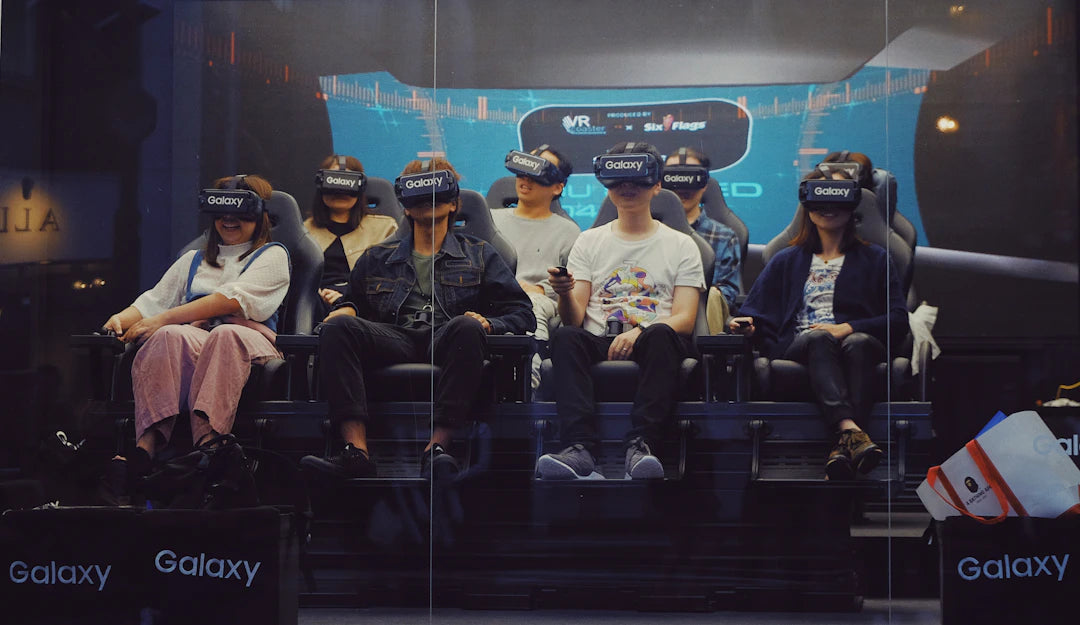
Some forward-thinking dealerships have implemented VR showrooms, where customers can use headsets to explore different vehicle models, visualize features, and even simulate driving experiences. By creating a space where customers can move freely within the dealership, they enhance engagement and reduce the transactional nature of traditional sales meetings.
Virtual Test Drives
Leading automotive brands have introduced virtual test drives, where users can sit in a VR setup and navigate through city streets or highways. By providing a simulated driving experience, customers can assess handling, comfort, and design features in a controlled environment. This enhances the importance of experiential engagement in purchasing decisions.
Future Trends in VR for Automotive Sales
The future of virtual reality in the automotive sales experience looks bright and filled with possibilities. Here are some trends that are likely to shape the evolution of this technology:
Integration with Augmented Reality
As augmented reality (AR) continues to develop alongside VR, dealerships may begin to integrate the two technologies. Customers could use their smartphones to overlay virtual information onto real-world car models, helping to visualize features and specifications in real time.
Data Analytics for Personalization
Automotive companies can utilize data analytics to create personalized VR experiences based on customer preferences and past behaviors. By leveraging user data, dealerships can craft tailored experiences that appeal directly to individual tastes, leading to a stronger connection between consumers and their purchases.
Expanding Virtual Events
As VR technology matures, dealerships may host more extensive virtual events that attract potential buyers. These events could include live demonstrations, Q&A sessions with experts, and real-time test drives from the comfort of home, creating a new avenue for engagements and sales.
Driving the Future with Virtual Reality
The role of virtual reality in the automotive sales experience is still developing, but its impact is undeniable. By enhancing customer engagement, providing cost-saving opportunities, and streamlining the buying process, VR can transform traditional dealership experiences into innovative, immersive journeys. As technology continues to advance, adopting VR in automotive sales will likely become not just an option but a necessity for dealerships aiming to engage and attract modern consumers. Embrace this revolution and prepare to witness the driving forces that will guide the automotive industry into a new era.