Are you a proud owner of a Dacia Sandero? If so, then you understand the importance of a well-functioning alternator. A faulty alternator can cause a host of electrical issues in your car, leaving you stranded and frustrated. That's why it's essential to know everything about Dacia Sandero alternators. In this article, we will dive deep into the world of alternators specifically designed for your Dacia Sandero. We'll explore their functionality, common problems, and how to tell if it's time for a replacement. Whether you're a car enthusiast or just looking to learn the basics, this article will provide you with valuable insights and knowledge. At Dacia Sandero, we strive to ensure our vehicles are equipped with reliable and high-performing alternators. Our brand is known for its exceptional quality and durability, and our alternators are no exception. With our expert advice and guidance, you can make informed decisions about your Dacia Sandero's alternator, ensuring a smooth and efficient driving experience. Don't let a faulty alternator put a damper on your driving experience. Stay informed and take control of your car's electrical system with our comprehensive guide to Dacia Sandero alternators.
The alternator plays a crucial role in your car's electrical system. It is responsible for converting mechanical energy into electrical energy, which powers various components of your vehicle. Unlike a traditional generator, an alternator produces alternating current (AC), which is then converted to direct current (DC) through a rectifier.
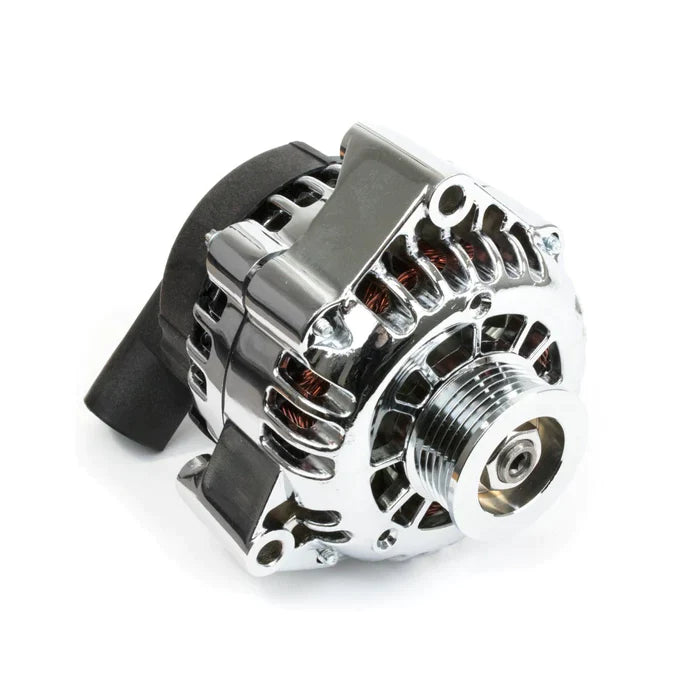
An alternator consists of several key components, including a rotor, stator, diode rectifier, voltage regulator, and pulley. The rotor spins inside the stator, generating a magnetic field. As the rotor spins, the magnetic field induces an alternating current in the stator windings. The diode rectifier converts this AC current into DC, which is then regulated by the voltage regulator to maintain a consistent electrical output.
In simpler terms, the alternator uses the power from the engine to generate electricity, which is then used to charge the battery and power the electrical components of your Dacia Sandero. It is an essential component that ensures your car's electrical system functions properly.
Signs of a faulty alternator in a Dacia Sandero
It's important to be aware of the signs that may indicate a faulty alternator in your Dacia Sandero. Recognizing these signs early on can help you avoid potential breakdowns and costly repairs. Here are some common signs to look out for:
1. **Dim or flickering lights:** If you notice that your headlights, dashboard lights, or interior lights are dim or flickering, it could be a sign of a weak alternator. The alternator may not be generating enough power to keep the lights at their full brightness.2. **Battery warning light:** The battery warning light on your dashboard is designed to alert you when there is a problem with the charging system. If this light comes on while you're driving, it could indicate an issue with the alternator.3. **Difficulty starting the car:** A faulty alternator can lead to a drained battery, making it difficult to start your Dacia Sandero. If you experience difficulty starting the car, especially after it has been sitting for a while, it may be time to have your alternator checked.4. **Strange noises:** If you hear unusual noises coming from the engine, such as grinding or squealing sounds, it could be a sign of a worn-out alternator belt or a failing alternator bearing.5. **Electrical issues:** A faulty alternator can cause various electrical problems in your car, such as malfunctioning power windows, erratic dashboard readings, or a malfunctioning radio. If you notice any of these issues, it's worth investigating the alternator as a possible cause.
If you notice any of these signs, it's important to have your alternator inspected and repaired or replaced if necessary. Ignoring the warning signs can lead to further damage to your car's electrical system and leave you stranded on the side of the road.
Common alternator problems in Dacia Sandero
While Dacia Sandero alternators are known for their reliability, there are a few common problems that may arise over time. Understanding these issues can help you identify and address them promptly. Here are some of the most common alternator problems in Dacia Sandero:
1. **Worn-out brushes:** The brushes in the alternator can wear out over time, leading to a loss of electrical contact and reduced charging capacity. If you notice a drop in the charging voltage, it may be due to worn-out brushes that need to be replaced.2. **Faulty voltage regulator:** The voltage regulator is responsible for regulating the electrical output of the alternator. A faulty regulator can result in overcharging or undercharging the battery, leading to battery failure or other electrical issues.3. **Damaged diode rectifier:** The diode rectifier converts the AC current generated by the alternator into DC current. If one or more diodes in the rectifier fail, it can result in ripple voltage, which can cause battery drain or damage other electrical components.4. **Belt tension issues:** A loose or worn-out alternator belt can cause slipping, resulting in reduced charging capacity. Inspecting the belt regularly and ensuring proper tension can help prevent this problem.5. **Faulty bearings:** The alternator has bearings that allow the rotor to spin smoothly. Over time, these bearings can wear out, leading to noise, vibration, and possible failure of the alternator.
Regular maintenance and inspections can help identify these problems early on and prevent further damage. If you notice any issues with your Dacia Sandero's alternator, it's advisable to consult a professional mechanic for a thorough diagnosis and necessary repairs.
How to test an alternator in a Dacia Sandero
If you suspect that your Dacia Sandero's alternator may be faulty, there are a few simple tests you can perform to confirm your suspicions. Here are the steps to test an alternator in a Dacia Sandero:
1. **Battery voltage test:** Start by checking the voltage of your car's battery using a multimeter. With the engine off, a fully charged battery should read around 12.6 volts. If the voltage is significantly lower, it may indicate a problem with the alternator.2. **Engine running test:** Start the engine and let it idle. Using the multimeter, check the voltage across the battery terminals. A healthy alternator should produce a voltage reading between 13.8 and 14.4 volts. If the reading is lower or higher, it could indicate an issue with the alternator.3. **Load test:** To further test the alternator's performance, you can turn on various electrical components, such as the headlights, air conditioning, and radio, while monitoring the battery voltage. The voltage should remain stable and within the normal range. If it drops significantly, it may indicate a weak or failing alternator.
Performing these tests can give you a good indication of your Dacia Sandero's alternator health. However, it's important to note that these tests provide a general assessment and may not detect all potential issues. If you suspect a problem with your alternator, it's best to consult a professional mechanic for a thorough diagnosis.


Steps to replace an alternator in a Dacia Sandero
If you've determined that your Dacia Sandero's alternator needs to be replaced, you may be wondering how to go about it. While this task is best left to a qualified mechanic, knowing the general steps involved can help you understand the process. Here are the steps to replace an alternator in a Dacia Sandero:
1. **Disconnect the battery:** Start by disconnecting the negative terminal of the battery to prevent any electrical accidents.2. **Remove the serpentine belt:** Loosen the tensioner pulley and remove the serpentine belt from the alternator pulley.3. **Disconnect the electrical connections:** Disconnect the electrical connectors and wiring harnesses from the alternator. Take note of their positions for reassembly.4. **Remove the mounting bolts:** Loosen and remove the mounting bolts that secure the alternator to the engine block or bracket.5. **Install the new alternator:** Install the new alternator in the reverse order of removal, ensuring all connections are tight and secure.6. **Reinstall the serpentine belt:** Use a belt tensioner tool to reinstall the serpentine belt onto the alternator pulley, following the belt routing diagram.7. **Reconnect the battery:** Reconnect the negative terminal of the battery, ensuring a secure connection.8. **Test the new alternator:** Start the engine and perform the alternator tests mentioned earlier to verify proper functioning.
It's important to note that these steps are a general guide and may vary depending on your Dacia Sandero's specific model and engine configuration. It's recommended to consult the vehicle's service manual or seek assistance from a qualified mechanic for a precise and efficient alternator replacement.
Your Dacia Sandero's alternator is a vital component that powers the electrical system of your vehicle. Understanding how it works, recognizing the signs of a faulty alternator, and knowing how to maintain and replace it are key to ensuring a reliable and efficient driving experience.
In this comprehensive guide, we have explored the functionality of Dacia Sandero alternators, common problems that may arise, and how to test and replace them. We have also provided tips for maintaining your alternator and highlighted where to purchase genuine Dacia Sandero alternators.
By staying informed and taking proactive measures, you can enjoy a trouble-free electrical system in your Dacia Sandero, allowing you to hit the road with confidence. Don't let a faulty alternator dampen your driving experience – take control and keep your Dacia Sandero running smoothly with a reliable alternator.