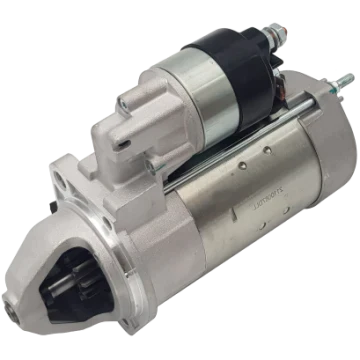
Are you experiencing trouble starting your Ford Focus? One of the most common culprits is a faulty starter motor. Whether you're a seasoned DIYer or just starting to get your hands dirty under the hood, this comprehensive guide will walk you through the troubleshooting and replacement process for the Ford Focus starter motor. In this article, we'll cover all the bases, from diagnosing the issue to identifying the right replacement part and finally installing it correctly. You'll learn how to identify signs of a bad starter motor and how to test it using simple tools. We'll also provide step-by-step instructions, accompanied by clear illustrations, to guide you through the replacement process. Don't let a faulty starter motor leave you stranded. With this ultimate guide, you'll have the knowledge and confidence to tackle the problem head-on. By the end of this article, you'll be well-equipped to troubleshoot and replace the starter motor in your Ford Focus, saving you time and money. We have many different types of Ford Starter Motors including the Ford Focus Starter Motor with Part Number AV6N11000GC
Introduction
Are you experiencing trouble starting your Ford Focus? One of the most common culprits is a faulty starter motor. Whether you're a seasoned DIYer or just starting to get your hands dirty under the hood, this comprehensive guide will walk you through the troubleshooting and replacement process for the Ford Focus starter motor.
In this article, we'll cover all the bases, from diagnosing the issue to identifying the right replacement part and finally installing it correctly. You'll learn how to identify signs of a bad starter motor and how to test it using simple tools. We'll also provide step-by-step instructions, accompanied by clear illustrations, to guide you through the replacement process.
Don't let a faulty starter motor leave you stranded. With this ultimate guide, you'll have the knowledge and confidence to tackle the problem head-on. By the end of this article, you'll be well-equipped to troubleshoot and replace the starter motor in your Ford Focus, saving you time and money.
Common signs of a faulty starter motor
A faulty starter motor can cause a range of issues with your Ford Focus. By recognizing the signs early on, you can take action before you find yourself stranded. Here are some common indicators of a bad starter motor:
1. **Clicking sound when starting**: If you hear a clicking noise when you turn the key in the ignition, it could be a sign that the starter motor is failing. This sound indicates that the solenoid, which connects the battery to the starter motor, is engaging but the motor itself is not turning.
2. **Grinding noise**: A grinding noise when starting your Ford Focus can indicate worn-out gears in the starter motor. This occurs when the motor tries to engage but cannot fully mesh with the flywheel teeth.
3. **Slow or no cranking**: If you notice that the engine cranks slowly or does not crank at all, it could be a sign of a weak or faulty starter motor. This can be caused by issues such as worn-out brushes or a malfunctioning solenoid.
It's important to note that these signs can also be indicative of other problems, such as a weak battery or a faulty ignition switch. It's best to rule out these potential issues before concluding that the starter motor is to blame. Now that you know what to look out for, let's move on to troubleshooting the starter motor.
Troubleshooting steps for a malfunctioning starter motor
Diagnosing a faulty starter motor involves a systematic approach to identify the root cause of the problem. By following these steps, you can narrow down the issue and determine whether the starter motor needs to be replaced:
1. **Check the battery**: Before assuming the starter motor is at fault, ensure that the battery is in good condition. A weak or dead battery can mimic the symptoms of a faulty starter motor. Use a multimeter to test the voltage and ensure it's within the manufacturer's specifications.
2. **Inspect the wiring**: Faulty or loose wiring connections can prevent the starter motor from receiving the necessary power. Check all the connections between the battery, starter motor, and solenoid for any signs of damage or corrosion. Tighten any loose connections and clean any corrosion using a wire brush.
3. **Test the starter relay**: The starter relay is responsible for sending power to the starter motor when the ignition switch is turned. Use a multimeter to test the relay's functionality. If the relay is faulty, it will need to be replaced.
4. **Perform a voltage drop test**: A voltage drop test can help identify any resistance in the electrical circuit, which can prevent the starter motor from receiving enough power. Connect the multimeter leads to the positive and negative terminals of the starter motor and measure the voltage drop while attempting to start the engine. A significant voltage drop indicates a problem in the circuit.
5. **Bench test the starter motor**: If all other components check out, it's time to bench test the starter motor. Remove it from the vehicle and connect it to a battery using jumper cables. Listen for any abnormal noises and observe whether the motor turns smoothly. If the motor fails this test, it's time for a replacement.
By following these troubleshooting steps, you can determine whether the starter motor is indeed the culprit. If it is, it's time to move on to the replacement process.
Tools and equipment needed for replacing the Ford Focus starter motor
Before diving into the replacement process, it's essential to gather the necessary tools and equipment. Here's a list of what you'll need:
1. **Socket set**: A socket set with various sizes will be required to remove bolts and nuts during the replacement process.
2. **Ratchet**: A ratchet will be used in conjunction with the socket set to loosen and tighten bolts.
3. **Wrench set**: A set of wrenches will come in handy for removing and installing various components.
4. **Screwdrivers**: Both flathead and Phillips screwdrivers may be needed to remove screws and clips.
5. **Pliers**: Pliers will be useful for gripping and maneuvering small components during the replacement process.
6. **Jack and jack stands**: A jack and jack stands are necessary to lift and secure the vehicle while working underneath.
7. **Battery terminal puller**: If the battery needs to be disconnected, a battery terminal puller will make the process easier.
8. **Safety equipment**: Don't forget to wear safety glasses and gloves to protect yourself during the replacement process.
By having these tools and equipment readily available, you'll be well-prepared to tackle the starter motor replacement in your Ford Focus.
Step-by-step guide to replacing the Ford Focus starter motor
Now that you've diagnosed a faulty starter motor and gathered the necessary tools, it's time to replace the old motor with a new one. Follow these step-by-step instructions for a successful replacement:
1. **Disconnect the battery**: Start by disconnecting the negative terminal of the battery to ensure safety during the replacement process.
2. **Raise and secure the vehicle**: Use a jack to lift the front of the vehicle and secure it with jack stands. This will provide enough clearance to access the starter motor.
3. **Locate the starter motor**: The starter motor is typically located near the bottom of the engine, attached to the transmission bell housing. Consult your vehicle's manual if you're having trouble locating it.
4. **Remove the electrical connections**: Disconnect the electrical connections to the starter motor, including the main power cable and any smaller wires connected to the solenoid. Remember to label or take pictures of the connections to ensure proper reinstallation.
5. **Remove the mounting bolts**: Use a socket and ratchet to remove the mounting bolts securing the starter motor to the transmission bell housing. Carefully remove the motor from its position.
6. **Compare the old and new starter motors**: Before installing the new starter motor, compare it with the old one to ensure they are identical in size and shape. This will help avoid any compatibility issues during installation.
7. **Install the new starter motor**: Position the new starter motor in place and hand-tighten the mounting bolts. Gradually tighten the bolts in a crisscross pattern until they are securely fastened.
8. **Reconnect the electrical connections**: Attach the main power cable and any other wires to the solenoid, ensuring they are properly secured. Double-check the connections to avoid any loose or incorrect wiring.
9. **Lower the vehicle**: Carefully lower the vehicle from the jack stands using a jack, ensuring it is stable before removing the stands.
10. **Reconnect the battery**: Finally, reconnect the negative terminal of the battery, ensuring it is securely fastened.
Congratulations! You've successfully replaced the starter motor in your Ford Focus. But before you hit the road, it's important to test the new motor for proper functionality.
Testing the new starter motor for proper functionality
To ensure the replacement was successful and your Ford Focus starts without any issues, perform the following tests:
1. **Ignition test**: Insert the key into the ignition and turn it to the "ON" position without starting the engine. Listen for any abnormal sounds or clicks coming from the starter motor. If everything sounds normal, proceed to the next step.
2. **Start test**: Start the engine and observe how the new starter motor engages and cranks the engine. It should operate smoothly without any grinding or unusual noises.
If the tests pass without any issues, you can rest assured that the new starter motor is functioning correctly. However, if you encounter any problems during testing, it's best to retrace your steps and double-check the installation.
Common mistakes to avoid during the replacement process
While replacing the starter motor in your Ford Focus, it's crucial to avoid common mistakes that can cause further damage or result in an unsuccessful replacement. Keep these tips in mind:
1. **Skipping safety precautions**: Always prioritize safety by wearing the appropriate protective gear and using jack stands when working underneath the vehicle.
2. **Failing to disconnect the battery**: Neglecting to disconnect the battery can lead to electrical shock or damage to the vehicle's electrical system.
3. **Forgetting to label connections**: Properly labeling or taking pictures of the electrical connections will ensure correct reinstallation and prevent any confusion.
4. **Not comparing old and new starter motors**: Before installing the new starter motor, compare it with the old one to ensure they are identical. This will prevent compatibility issues.
5. **Tightening bolts excessively**: Over-tightening the mounting bolts can damage the starter motor or the transmission bell housing. Follow the manufacturer's torque specifications.
By avoiding these common mistakes, you'll increase the chances of a successful replacement and minimize potential problems in the future.
Cost considerations for replacing the Ford Focus starter motor
The cost of replacing a starter motor in a Ford Focus can vary depending on various factors, including the model year, location, and whether you choose to do the replacement yourself or hire a professional. Here are some cost considerations to keep in mind:
1. **Parts cost**: The price of a new starter motor can range from $100 to $300, depending on the brand and quality. Consider purchasing from reputable suppliers to ensure reliability.
2. **Labor cost**: If you decide to hire a professional mechanic, labor costs can add anywhere from $100 to $300 to the total bill, depending on the shop's hourly rate.
3. **DIY savings**: By replacing the starter motor yourself, you can save on labor costs. However, it's important to weigh your own expertise and the complexity of the replacement process before attempting it yourself.
4. **Warranty**: Consider purchasing a starter motor with a warranty to protect against any defects or premature failures. This can provide peace of mind and potentially save you money in the long run.
Remember to factor in any additional costs, such as tools or equipment needed for the replacement, when budgeting for the overall project.
Conclusion: Importance of regular maintenance and professional assistance
A faulty starter motor can be a frustrating issue, but with the knowledge and confidence gained from this ultimate guide, you now have the ability to troubleshoot and replace it in your Ford Focus. Regular maintenance, including routine inspections and addressing any issues promptly, can help prevent unexpected breakdowns and costly repairs.
While this guide provides detailed instructions for replacing the starter motor, it's important to recognize your own limitations and seek professional assistance if needed. A certified mechanic can ensure a proper installation and provide expert guidance throughout the process.
By following the troubleshooting and replacement steps outlined in this guide, you'll be back on the road in no time, confident in your ability to tackle future automotive challenges. Remember, a well-maintained Ford Focus with a reliable starter motor will provide years of trouble-free driving.