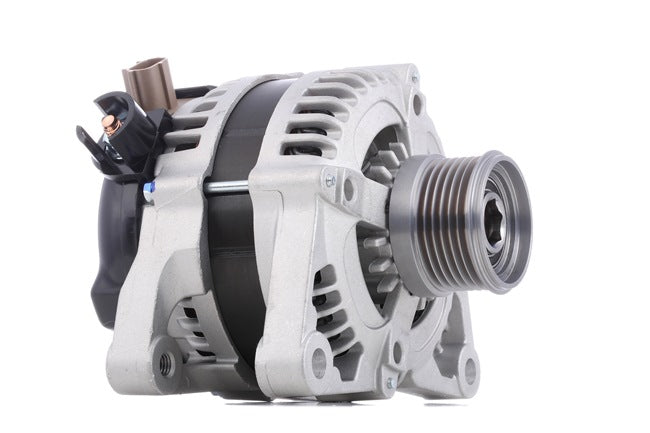
Is your Ford Kuga experiencing alternator issues? Don't worry, you're not alone. Many Ford Kuga owners have faced common problems with their alternators, such as charging system failures and battery drain. But fear not, effective solutions are available to help you troubleshoot and resolve these issues. In this article, we will delve into the world of Ford Kuga alternator problems, exploring the most common issues faced by owners and providing you with expert advice on how to fix them. Whether you're dealing with a faulty alternator diode, a broken regulator, or a worn-out belt, we've got you covered. By understanding the signs and symptoms of alternator problems, you'll be better equipped to identify and address issues early, potentially saving yourself from costly repairs down the line. So, if your Ford Kuga is showing any signs of electrical problems or a failing charging system, read on to discover effective solutions that will get your vehicle back on track. Put an end to your Ford Kuga alternator woes with our comprehensive troubleshooting guide! Don't forget we have a large selection of Ford Alternators here at CarBreakers.ie .. including the Ford Kuga Alternator Part Number FV4T10300MB .
Common signs of alternator problems in Ford Kuga
The first step in troubleshooting alternator issues in your Ford Kuga is to understand the signs and symptoms that indicate a problem. By being able to recognize these warning signs early on, you can take prompt action to prevent further damage and costly repairs.
1. **Dim or flickering lights**: One of the most common signs of an alternator problem is dim or flickering lights. If you notice that your headlights, dashboard lights, or interior lights are not as bright as they used to be, it could be a clear indication that your alternator is failing.
2. **Battery warning light**: Another telltale sign of an alternator problem is the battery warning light on your dashboard. If this light illuminates while driving, it means that your alternator is not charging the battery properly. Ignoring this warning can lead to a dead battery and a stranded vehicle.
3. **Strange noises**: Pay attention to any strange noises coming from the engine compartment. A failing alternator may produce grinding, whining, or squealing sounds, indicating a problem with the internal components.
4. **Electrical issues**: If you experience electrical problems such as power windows not working, radio cutting out, or the AC system malfunctioning, it could be a result of an alternator problem. The alternator plays a crucial role in powering these electrical components, so any issues should not be ignored.
5. **Difficulty starting the vehicle**: A weak or failing alternator can cause your Ford Kuga to have trouble starting. If you find yourself needing to jump-start your vehicle frequently, it's a sign that the alternator is not providing enough power to keep the battery charged.
Understanding these signs will help you determine whether your Ford Kuga is experiencing alternator problems and allow you to take the necessary steps to address them.
Understanding the role of the alternator in the Ford Kuga
Before we dive into troubleshooting and fixing alternator issues in your Ford Kuga, it's important to understand the role that the alternator plays in your vehicle's electrical system.
The alternator is a crucial component that generates electrical power to recharge the battery and power the vehicle's electrical systems while the engine is running. It works by converting mechanical energy from the engine into electrical energy, which is then used to power the various electrical components in the vehicle.
In the Ford Kuga, the alternator is responsible for supplying power to the headlights, taillights, interior lights, power windows, AC system, and other electrical systems. It also plays a vital role in charging the battery, ensuring it has enough power to start the engine and run the vehicle's electrical systems when the engine is not running.
A properly functioning alternator is essential for the overall performance and reliability of your Ford Kuga. When the alternator fails or malfunctions, it can lead to a range of problems, including battery drain, electrical component failures, and even engine stalling.
Now that we have a better understanding of the alternator's role in the Ford Kuga, let's move on to diagnosing common alternator issues and finding effective solutions.
Diagnosing alternator issues in Ford Kuga
Diagnosing alternator problems in your Ford Kuga requires a systematic approach to identify the root cause of the issue. Here are some steps you can follow to diagnose alternator issues:
1. **Check the battery**: Before assuming that the alternator is at fault, it's important to rule out any battery-related problems. Start by checking the battery voltage using a multimeter. A fully charged battery should read around 12.6 volts. If the battery voltage is below 12 volts, it may indicate a weak or dead battery.
2. **Inspect the alternator belt**: A worn-out or loose alternator belt can lead to poor charging performance. Inspect the condition and tension of the alternator belt. If it appears cracked, frayed, or loose, it's time to replace it.
3. **Test the alternator output**: To determine if the alternator is functioning properly, you need to measure its output. Start the engine and connect a voltmeter to the battery terminals. A healthy alternator should produce a voltage reading between 13.5 and 14.5 volts. Anything significantly lower or higher may indicate a problem.
4. **Check for loose or damaged connections**: Loose or corroded connections can disrupt the flow of electricity from the alternator to the battery and electrical components. Inspect the wiring and connections for any signs of damage or looseness. Clean and tighten them if necessary.
By following these diagnostic steps, you can narrow down the cause of the alternator problem in your Ford Kuga and proceed to find effective solutions.
Common causes of alternator problems in Ford Kuga
Several factors can contribute to alternator problems in your Ford Kuga. Understanding these common causes can help you prevent future issues and keep your alternator in good working condition. Here are some of the most common causes of alternator problems:
1. **Faulty alternator diode**: The alternator diode is responsible for converting alternating current (AC) produced by the alternator into direct current (DC) that can be used to charge the battery and power the electrical components. A faulty diode can lead to erratic charging or battery drain.
2. **Worn-out alternator brushes**: The alternator brushes are essential for transferring electrical current from the rotor to the stator. Over time, these brushes can wear out, resulting in poor charging performance or a complete failure of the alternator.
3. **Failed voltage regulator**: The voltage regulator controls the output voltage of the alternator to ensure it stays within the optimal range. A failed voltage regulator can cause overcharging or undercharging of the battery, leading to various electrical problems.
4. **Damaged or worn-out alternator belt**: The alternator belt is responsible for transferring power from the engine to the alternator. If the belt is damaged, worn-out, or loose, it can cause the alternator to function improperly or not at all.
By being aware of these common causes, you can take proactive measures to prevent alternator problems in your Ford Kuga and address them promptly when they occur.
Effective solutions for Ford Kuga alternator issues
Now that we have identified the common signs, diagnosed the issues, and understood the causes of alternator problems in the Ford Kuga, let's explore some effective solutions to fix these issues.
1. **Replace the faulty alternator diode**: If a faulty diode is causing charging system problems, replacing the alternator may be necessary. It's important to choose a high-quality replacement alternator that matches the specifications of your Ford Kuga.
2. **Replace worn-out alternator brushes**: If your alternator brushes are worn-out, they can be replaced separately without replacing the entire alternator. This is a more cost-effective solution and can restore proper charging performance.
3. **Replace the failed voltage regulator**: If the voltage regulator has failed, it's recommended to replace the alternator as a whole. The voltage regulator is typically integrated into the alternator and cannot be replaced separately.
4. **Replace the damaged alternator belt**: If your alternator belt is damaged, worn-out, or loose, it's crucial to replace it promptly. A new belt will ensure proper power transfer and prevent further alternator issues.
These solutions can help resolve common alternator problems in the Ford Kuga and restore the proper functioning of your vehicle's electrical system.
Preventive measures to avoid alternator problems in Ford Kuga
Prevention is always better than a cure when it comes to alternator issues in your Ford Kuga. Here are some preventive measures you can take to avoid alternator problems:
1. **Regular maintenance**: Following the manufacturer's recommended maintenance schedule is essential for keeping your alternator in good condition. Regular inspections, belt replacements, and cleaning of connections can help prevent issues.
2. **Avoid excessive electrical loads**: Minimize the use of high-powered electrical accessories when the engine is not running. Running multiple electrical components simultaneously can put a strain on the alternator and lead to premature failure.
3. **Keep the battery in good condition**: A weak or dying battery can place additional stress on the alternator. Regularly check the battery's condition and replace it as needed to avoid overworking the alternator.
4. **Avoid deep battery discharge**: It's important to avoid completely draining the battery as it can lead to premature alternator failure. If you frequently experience battery drain, consult a professional to identify and address the underlying cause.
By implementing these preventive measures, you can prolong the lifespan of your alternator and minimize the risk of alternator problems in your Ford Kuga.
When to seek professional help for Ford Kuga alternator issues
While some alternator issues can be resolved with basic troubleshooting and DIY solutions, there are instances when it's best to seek professional help. Here are some scenarios where professional assistance is recommended:
1. **Complex electrical issues**: If you're experiencing complex electrical problems that go beyond basic alternator troubleshooting, it's best to consult a professional. They have the expertise and diagnostic tools to identify and resolve complex electrical issues.
2. **Lack of technical knowledge**: If you're not confident in your technical knowledge or skills, it's advisable to seek professional help. Working with the electrical system of your vehicle requires expertise and can be dangerous if not done correctly.
3. **Warranty coverage**: If your Ford Kuga is still under warranty, it's recommended to have any alternator issues addressed by an authorized dealer or service center. This ensures that the repairs are done properly and won't void your warranty.
4. **Persistent or recurring problems**: If you have tried troubleshooting and DIY solutions but the alternator problems persist or recur, it's time to consult a professional. They can perform a thorough diagnosis and provide a long-term solution.
Remember, it's always better to be safe than sorry when it comes to electrical issues in your vehicle. Seeking professional help ensures that the problem is properly diagnosed and resolved, preventing further damage and costly repairs.
Cost of repairing or replacing the alternator in Ford Kuga
The cost of repairing or replacing the alternator in your Ford Kuga can vary depending on several factors, including the model year, the extent of the damage, and whether you opt for an OEM (Original Equipment Manufacturer) or aftermarket alternator.
On average, the cost of a new alternator for a Ford Kuga ranges from $200 to $500, excluding labor costs. If you choose to have the alternator replaced by a professional, labor costs can add an additional $100 to $300, depending on the shop's hourly rate.
It's important to consider the quality and reliability of the alternator when making a decision. While aftermarket alternators may be more affordable, they may not offer the same level of performance and longevity as OEM alternators.
It's recommended to consult with a trusted mechanic or service center to get an accurate estimate for repairing or replacing the alternator in your Ford Kuga.
Conclusion: Maintaining a healthy alternator in your Ford Kuga
In conclusion, alternator problems are not uncommon in Ford Kuga vehicles, but effective solutions are available to help you troubleshoot and resolve these issues. By understanding the signs and symptoms of alternator problems, you'll be better equipped to identify and address issues early, potentially saving yourself from costly repairs down the line.
Regular maintenance, such as inspections, belt replacements, and cleaning of connections, can go a long way in preventing alternator problems. However, if you do encounter alternator issues, it's important to diagnose and address them promptly to avoid further damage to your vehicle's electrical system.
While basic troubleshooting and DIY solutions can resolve some alternator problems, there are instances when it's best to seek professional help. They have the expertise and diagnostic tools to properly diagnose and resolve complex electrical issues.
By taking proactive measures and staying vigilant, you can maintain a healthy alternator in your Ford Kuga, ensuring the proper functioning of your vehicle's electrical system and avoiding unnecessary breakdowns or repairs.
Put an end to your Ford Kuga alternator woes with our comprehensive troubleshooting guide!br/>