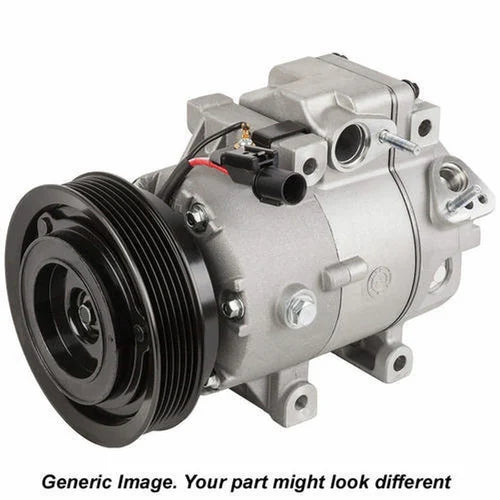
Is your Hyundai i10 air conditioning system not cooling as efficiently as it used to? Are you noticing strange noises coming from the air con pump? If so, it may be time to consider replacing your Hyundai i10 air con pump. In this article, we will explore the top 10 signs that indicate it's time for a replacement. Having a properly functioning air conditioning system is vital for your comfort during hot summer drives. If the air con pump is failing, you may experience weak airflow, inconsistent cooling, or even a complete lack of cold air. Other signs of a faulty air con pump include unusual noises, such as grinding or squealing, unpleasant odors, or leaks in the system. Replacing the air con pump can restore the efficiency and effectiveness of your Hyundai i10's air conditioning system. With our expert guidance and troubleshooting tips, you'll be able to identify the signs and take the necessary steps to address the issue. Don't suffer through sweltering summer drives without a functioning air con pump – read on to discover the 10 signs that it's time for a replacement. Don't forget we have a large selection of Hyundai Air Con Pumps here at CarBreakers.ie including the Hyundai i10 Air Con Pump Part Number F500QADAA03
Introduction
Is your Hyundai i10 air conditioning system not cooling as efficiently as it used to? Are you noticing strange noises coming from the air con pump? If so, it may be time to consider replacing your Hyundai i10 air con pump. In this article, we will explore the top 10 signs that indicate it's time for a replacement.br/>
Having a properly functioning air conditioning system is vital for your comfort during hot summer drives. If the air con pump is failing, you may experience weak airflow, inconsistent cooling, or even a complete lack of cold air. Other signs of a faulty air con pump include unusual noises, such as grinding or squealing, unpleasant odors, or leaks in the system.br/>
Replacing the air con pump can restore the efficiency and effectiveness of your Hyundai i10's air conditioning system. With our expert guidance and troubleshooting tips, you'll be able to identify the signs and take the necessary steps to address the issue. Don't suffer through sweltering summer drives without a functioning air con pump – read on to discover the 10 signs that it's time for a replacement.br/>
What is an air con pump and how does it work?
The air con pump, also known as the compressor, is a crucial component of your Hyundai i10's air conditioning system. It is responsible for compressing and circulating the refrigerant, which cools the air before it is blown into the car's cabin. The pump is driven by a belt connected to the engine, and it operates using a complex mechanism that involves a clutch, pulley, and various valves.br/>
Over time, the air con pump can wear out due to continuous use and exposure to heat and pressure. When it starts to fail, the efficiency of the entire air conditioning system is compromised, leading to reduced cooling performance and other issues. Understanding how the air con pump works will help you identify the signs of a failing pump and take appropriate action.br/>
Signs of a faulty air con pump in a Hyundai i10
1. Strange noises coming from the air con systembr/>
One of the most common signs of a failing air con pump is the presence of strange noises when the system is running. If you hear grinding, squealing, or rattling sounds coming from the air con pump, it is likely that the internal components are worn out or damaged. These noises indicate that the pump is struggling to compress the refrigerant, which can result in decreased cooling performance and potential system failure.br/>
2. Weak or inconsistent cooling performancebr/>
If your Hyundai i10's air conditioning system is no longer providing the same level of cooling it used to, it could be a sign of a faulty air con pump. A failing pump may not be able to compress the refrigerant effectively, leading to weak airflow and inconsistent cooling. You may notice that the air coming out of the vents is not as cold as it should be, or the system takes longer to cool the cabin.br/>
3. Leaking refrigerant or oil around the air con pumpbr/>
Another sign of a failing air con pump is the presence of leaks around the pump itself. If you notice refrigerant or oil stains near the pump, it indicates that there is a leak in the system. Leaks can occur due to worn-out seals, damaged hoses, or cracks in the pump housing. It's important to address these leaks promptly, as they can lead to further damage and a complete breakdown of the air conditioning system.br/>
4. Unusual vibrations or shaking of the car when the air con is turned onbr/>
When the air con pump is failing, it may cause vibrations or shaking of the car when the system is turned on. These vibrations can be felt through the steering wheel, pedals, or even the entire vehicle. The shaking is usually a result of imbalanced or damaged internal components of the pump, which can affect the overall performance and stability of the car.br/>
5. Burning smell or smoke coming from the air con systembr/>
If you notice a burning smell or see smoke coming from the air con system, it is a clear indication of a serious problem. This could be caused by an overheating air con pump or a faulty clutch. In such cases, it is crucial to stop using the air conditioning system immediately and have it inspected by a professional. Continuing to use the system in this condition can lead to further damage and potentially dangerous situations.br/>
6. Increased fuel consumption or engine overheatingbr/>
A failing air con pump can put additional strain on the engine, leading to increased fuel consumption and engine overheating. When the pump is not operating efficiently, it requires more power from the engine to compress the refrigerant. This can result in higher fuel consumption and excessive heat buildup in the engine, which can lead to overheating and potential engine damage.br/>
When to replace the air con pump and where to get it replaced
If you have identified one or more of the signs mentioned above, it's important to take prompt action and replace the air con pump. Continuing to use a faulty pump can lead to further damage to the air conditioning system and other components of your Hyundai i10.br/>
When it comes to replacing the air con pump, it is recommended to seek professional assistance. An experienced mechanic or authorized Hyundai service center will have the expertise and necessary tools to carry out the replacement. They will ensure that the new pump is installed correctly and that the entire air conditioning system is properly tested to ensure optimal performance.br/>
Before replacing the pump, the mechanic will conduct a thorough inspection of the entire air conditioning system to rule out any other potential issues. This will help ensure that the replacement of the air con pump resolves the problem and restores the cooling performance of your Hyundai i10.br/>
Conclusion: Importance of regular maintenance and timely replacement of the air con pump
In conclusion, a properly functioning air con pump is essential for maintaining a comfortable and enjoyable driving experience in your Hyundai i10. If you notice any of the signs mentioned in this article, it's crucial to address them promptly and consider replacing the air con pump.br/>
Regular maintenance and timely replacement of the air con pump can help prevent costly repairs and ensure that your air conditioning system operates at its best. Remember to schedule regular inspections and servicing of your Hyundai i10's air conditioning system to keep it in top condition.br/>
Don't let a faulty air con pump ruin your summer drives. Keep an eye out for the signs and take action to ensure a cool and comfortable ride in your Hyundai i10.br/>