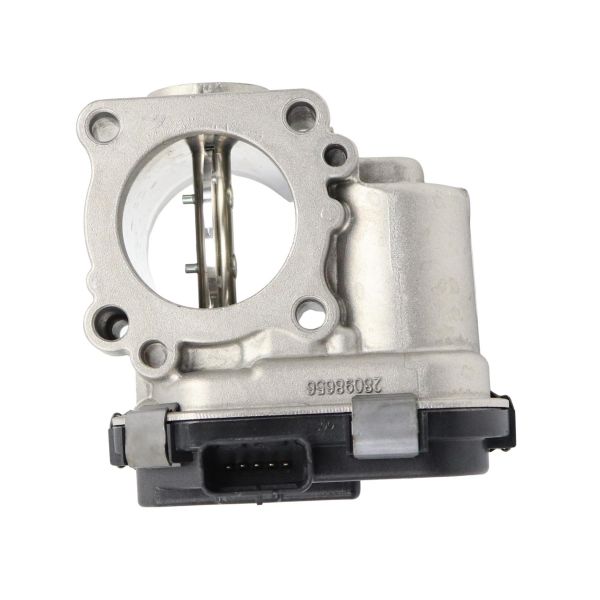
Are you a proud owner of a Peugeot 208? As a Peugeot enthusiast, you understand the importance of proper maintenance and troubleshooting to keep your car running smoothly. One component that requires particular attention is the throttle body – a critical part of the engine's air intake system. In this ultimate guide, we will share essential maintenance tips and troubleshooting techniques to help you keep your Peugeot 208's throttle body in optimal condition. Regularly maintaining your throttle body is essential to ensure efficient fuel combustion and smooth acceleration. We will provide step-by-step instructions on how to clean and inspect this vital component, along with valuable tips to prevent common issues such as carbon buildup and sticking throttle plates. Troubleshooting electronic throttle control problems can be challenging. However, armed with our comprehensive guide, you will learn how to diagnose and resolve common issues like throttle position sensor failure or electronic throttle control system malfunctions. We will guide you through the process, making it accessible and understandable, saving you time and money. Don't let throttle body issues compromise the performance of your Peugeot 208. With our ultimate guide, you can confidently maintain and troubleshoot your vehicle, ensuring a smooth and enjoyable driving experience. We have Throttle Bodies for many different Peugeot vehicles including Peugeot 208 Throttle Body Part Number 9673622380
Introduction
Are you a proud owner of a Peugeot 208? As a Peugeot enthusiast, you understand the importance of proper maintenance and troubleshooting to keep your car running smoothly. One component that requires particular attention is the throttle body – a critical part of the engine's air intake system. In this ultimate guide, we will share essential maintenance tips and troubleshooting techniques to help you keep your Peugeot 208's throttle body in optimal condition.
Regularly maintaining your throttle body is essential to ensure efficient fuel combustion and smooth acceleration. We will provide step-by-step instructions on how to clean and inspect this vital component, along with valuable tips to prevent common issues such as carbon buildup and sticking throttle plates.
Troubleshooting electronic throttle control problems can be challenging. However, armed with our comprehensive guide, you will learn how to diagnose and resolve common issues like throttle position sensor failure or electronic throttle control system malfunctions. We will guide you through the process, making it accessible and understandable, saving you time and money.
Don't let throttle body issues compromise the performance of your Peugeot 208. With our ultimate guide, you can confidently maintain and troubleshoot your vehicle, ensuring a smooth and enjoyable driving experience.
Understanding the Function of the Throttle Body
The throttle body plays a crucial role in regulating the amount of air that enters the engine. It controls the throttle plate, which opens and closes to adjust the airflow based on the driver's input. When you press the accelerator pedal, the throttle body opens, allowing more air into the engine. This increased airflow is necessary for efficient fuel combustion and power generation.
The throttle body also houses the throttle position sensor (TPS), which sends signals to the engine control unit (ECU) to determine the appropriate amount of fuel to inject. It acts as the interface between the driver's commands and the engine's performance. Understanding how the throttle body operates is essential for maintaining and troubleshooting this critical component.
To maintain optimal performance, it is crucial to identify signs of a faulty throttle body in your Peugeot 208.
Signs of a Faulty Throttle Body in Peugeot 208
A malfunctioning throttle body can lead to various performance issues in your Peugeot 208. By recognizing the signs of a faulty throttle body, you can take timely action to prevent further damage. Here are some common indicators that your throttle body may require attention:
1. **Reduced Acceleration**: If you notice a lack of power or sluggish response when pressing the accelerator pedal, it could be due to a faulty throttle body. A clogged throttle body can restrict airflow, leading to poor acceleration.
2. **Idling Problems**: An unstable or rough idle can be a sign of a malfunctioning throttle body. If the throttle body fails to regulate the airflow correctly, it can result in an erratic idle speed or stalling.
3. **Check Engine Light**: A malfunctioning throttle body can trigger the check engine light on your dashboard. This warning light indicates that the ECU has detected an issue with the throttle body or its associated components.
If you experience any of these symptoms, it's essential to address the throttle body issues promptly. Let's now explore the steps to maintain your Peugeot 208's throttle body.
Steps to Maintain the Throttle Body
Regular maintenance of your Peugeot 208's throttle body is crucial to ensure optimal performance and prevent potential issues. Follow these steps to keep your throttle body in top condition:
1. **Gather the Necessary Tools**: Before starting, gather the tools required for the maintenance process. You may need a screwdriver, throttle body cleaner, lint-free cloth, and a soft-bristle brush.
2. **Disconnect the Battery**: To prevent any electrical mishaps, disconnect the negative terminal of your car's battery.
3. **Locate the Throttle Body**: The throttle body is typically located near the engine's intake manifold. Refer to your Peugeot 208's owner's manual or consult a professional if you're unsure.
4. **Remove the Air Intake Hose**: Carefully remove the air intake hose connected to the throttle body. This hose is usually secured with clamps that can be loosened using a screwdriver.
5. **Inspect the Throttle Body**: With the air intake hose removed, visually inspect the throttle body for any signs of dirt, grime, or carbon buildup. Use a flashlight if needed.
6. **Clean the Throttle Body**: Use a throttle body cleaner and a soft-bristle brush to clean the throttle body's interior and throttle plate. Spray the cleaner onto the brush and gently scrub away any deposits. Avoid excessive spraying directly into the throttle body.
7. **Clean the Air Intake Hose**: While the throttle body is being cleaned, take the opportunity to clean the air intake hose as well. You can use the same throttle body cleaner and a cloth or brush to remove any dirt or residue.
8. **Reassemble the Components**: Once the throttle body and air intake hose are clean and dry, reattach the hose and tighten the clamps securely. Make sure all connections are properly secured.
9. **Reconnect the Battery**: Reconnect the negative terminal of the battery and ensure a secure connection.
10. **Start the Engine**: Start your Peugeot 208's engine and let it idle for a few minutes. This allows the ECU to recalibrate and adapt to the cleaned throttle body.
By following these maintenance steps regularly, you can prevent common throttle body issues and keep your Peugeot 208 running smoothly. However, if you encounter persistent problems or more severe throttle body issues, it may be necessary to troubleshoot further.
Troubleshooting Common Issues with the Throttle Body
While regular maintenance can help prevent many throttle body issues, sometimes problems can still arise. Here are some common issues you may encounter with your Peugeot 208's throttle body, along with troubleshooting techniques:
1. **Throttle Position Sensor (TPS) Failure**: A faulty TPS can cause erratic idling, poor acceleration, or stalling. To troubleshoot TPS issues, you can use a multimeter to test the sensor's voltage output. Consult your vehicle's service manual or seek professional assistance for specific instructions.
2. **Electronic Throttle Control System Malfunctions**: Electronic throttle control (ETC) systems use sensors and actuators to control the throttle body electronically. If you experience issues with the ETC system, such as unresponsive throttle or sudden loss of power, it's essential to diagnose the underlying problem. Checking for fault codes using a diagnostic scanner can provide valuable insights into the issue.
3. **Sticking Throttle Plates**: Over time, throttle plates can become sticky due to carbon buildup or debris. This can affect the throttle body's performance and cause issues like poor acceleration or a high idle. Cleaning the throttle plates, as mentioned earlier, can often resolve this problem.
Remember, troubleshooting complex throttle body issues can be challenging. If you're unsure or uncomfortable performing the troubleshooting steps yourself, it's recommended to consult a professional mechanic or Peugeot service center.
Cleaning the Throttle Body in Peugeot 208
Cleaning the throttle body is an essential maintenance task that helps prevent carbon buildup and ensures smooth airflow. Here's a detailed guide on how to clean the throttle body in your Peugeot 208:
1. **Prepare the Vehicle**: Park your Peugeot 208 in a well-ventilated area and engage the parking brake. Ensure the engine is turned off and has cooled down.
2. **Gather the Required Tools**: You will need a screwdriver, throttle body cleaner, lint-free cloth or paper towels, and a soft-bristle brush. Ensure you have these tools readily available before starting.
3. **Locate the Throttle Body**: Consult your Peugeot 208's owner's manual or seek professional advice to locate the throttle body. It is typically positioned near the intake manifold.
4. **Remove the Air Intake Hose**: Use a screwdriver to loosen the clamps securing the air intake hose to the throttle body. Gently pull the hose away from the throttle body to disconnect it.
5. **Inspect the Throttle Body**: Examine the throttle body for any signs of dirt, grime, or carbon buildup. Pay close attention to the throttle plate and its movement. If necessary, use a flashlight to get a better view.
6. **Apply Throttle Body Cleaner**: Spray a liberal amount of throttle body cleaner onto a lint-free cloth or paper towel. Wipe the interior of the throttle body, including the throttle plate, in a gentle, circular motion. Avoid spraying the cleaner directly into the throttle body.
7. **Remove Stubborn Deposits**: For stubborn deposits or carbon buildup, use a soft-bristle brush dipped in throttle body cleaner. Gently scrub the affected areas to loosen and remove the deposits. Be careful not to damage any sensitive components.
8. **Clean the Air Intake Hose**: Take the opportunity to clean the air intake hose as well. Use the same throttle body cleaner and a cloth or brush to remove any dirt or residue.
9. **Reassemble the Components**: Once the throttle body and air intake hose are clean and dry, reattach the hose to the throttle body. Ensure the clamps are tightened securely but not overly tightened. Make sure all connections are properly aligned.
10. **Start the Engine**: Start your Peugeot 208's engine and let it idle for a few minutes to ensure everything is functioning correctly. Monitor the throttle response and idle stability to confirm that the cleaning process was successful.
By regularly cleaning your Peugeot 208's throttle body, you can prevent carbon buildup and ensure optimal performance. However, in some cases, cleaning may not be enough, and you may need to consider replacing the throttle body.
Replacing the Throttle Body in Peugeot 208
If cleaning the throttle body does not resolve the issues or you suspect severe damage, replacing the throttle body may be necessary. Here's a basic guide to help you replace the throttle body in your Peugeot 208:
1. **Prepare the Vehicle**: Park your Peugeot 208 in a safe and well-ventilated area. Engage the parking brake and ensure the engine is turned off and has cooled down.
2. **Gather the Necessary Tools**: You will likely need a socket set, wrenches, a screwdriver, and a replacement throttle body. Refer to your Peugeot 208's service manual or consult a professional to determine the specific tools required for your vehicle.
3. **Disconnect the Battery**: To ensure safety and prevent any electrical issues, disconnect the negative terminal of the battery.
4. **Locate the Throttle Body**: Refer to your Peugeot 208's owner's manual or seek professional advice to locate the throttle body. It is typically positioned near the intake manifold.
5. **Remove the Air Intake Hose**: Use a screwdriver or wrench to loosen the clamps securing the air intake hose to the throttle body. Carefully remove the hose from the throttle body.
6. **Disconnect Electrical Connections**: Take note of any electrical connections attached to the throttle body and carefully disconnect them. These can include sensors or wiring harnesses.
7. **Remove Mounting Bolts**: Use the appropriate tools to remove the mounting bolts securing the throttle body to the intake manifold. Keep track of the bolts and any washers or gaskets associated with them.
8. **Replace the Throttle Body**: Carefully remove the old throttle body from the intake manifold. Install the new throttle body by aligning it with the mounting holes and securing it with the mounting bolts. Ensure the bolts are tightened to the manufacturer's specifications.
9. **Reconnect Electrical Connections**: Reconnect any electrical connections that were disconnected earlier. Ensure they are properly aligned and securely connected.
10. **Reassemble the Components**: Reattach the air intake hose to the throttle body and tighten the clamps securely. Double-check all connections to ensure they are properly aligned and tightened.
11. **Reconnect the Battery**: Reconnect the negative terminal of the battery and ensure a secure connection.
12. **Test the Throttle Body**: Start your Peugeot 208's engine and let it idle for a few minutes. Test the throttle response and monitor the engine's performance to confirm that the new throttle body is functioning correctly.
Replacing the throttle body can be a more complex task, and it's recommended to consult a professional mechanic or Peugeot service center if you're unsure or uncomfortable performing the replacement process yourself.
Tips for Preventing Throttle Body Problems
Prevention is key when it comes to maintaining your Peugeot 208's throttle body. Here are some valuable tips to help you prevent throttle body problems and ensure long-term performance:
1. **Regular Maintenance**: Follow the maintenance steps outlined earlier in this guide to clean and inspect your throttle body regularly. This will help prevent carbon buildup and keep the throttle plates functioning smoothly.
2. **Use Quality Fuel**: Opt for high-quality fuel that contains detergents to help keep your engine and throttle body clean. Avoid using low-quality or contaminated fuel that can contribute to carbon deposits.
3. **Avoid Short Trips**: Whenever possible, try to avoid frequent short trips. Longer drives allow the engine to reach optimal operating temperature, which can help burn off any carbon deposits.
4. **Drive Responsibly**: Avoid aggressive driving habits that excessively open and close the throttle body. Smooth acceleration and deceleration can reduce stress on the throttle body and prevent unnecessary wear.
5. **Replace Air Filters**: Regularly replace your Peugeot 208's air filters to ensure clean airflow to the engine. Clogged or dirty air filters can contribute to throttle body issues.
By following these tips, you can minimize the risk of throttle body problems and maintain the smooth performance of your Peugeot 208.
Recommended Products for Maintaining and Troubleshooting the Throttle Body
To assist you in maintaining and troubleshooting your Peugeot 208's throttle body, here are some recommended products:
1. **Throttle Body Cleaner**: Use a reputable throttle body cleaner to effectively remove carbon buildup and dirt from the throttle body. Look for a cleaner specifically designed for throttle bodies and follow the manufacturer's instructions.
2. **Diagnostic Scanner**: Invest in a quality diagnostic scanner or OBD-II scanner to read fault codes and diagnose electronic throttle control system issues. These scanners provide valuable insights into potential problems and can help troubleshoot more efficiently.
3. **Lint-Free Cloths and Brushes**: Have a supply of lint-free cloths or paper towels to clean the throttle body and air intake hose. Soft-bristle brushes can be useful for removing stubborn deposits.
4. **Replacement Throttle Body**: If your throttle body is beyond repair or cleaning