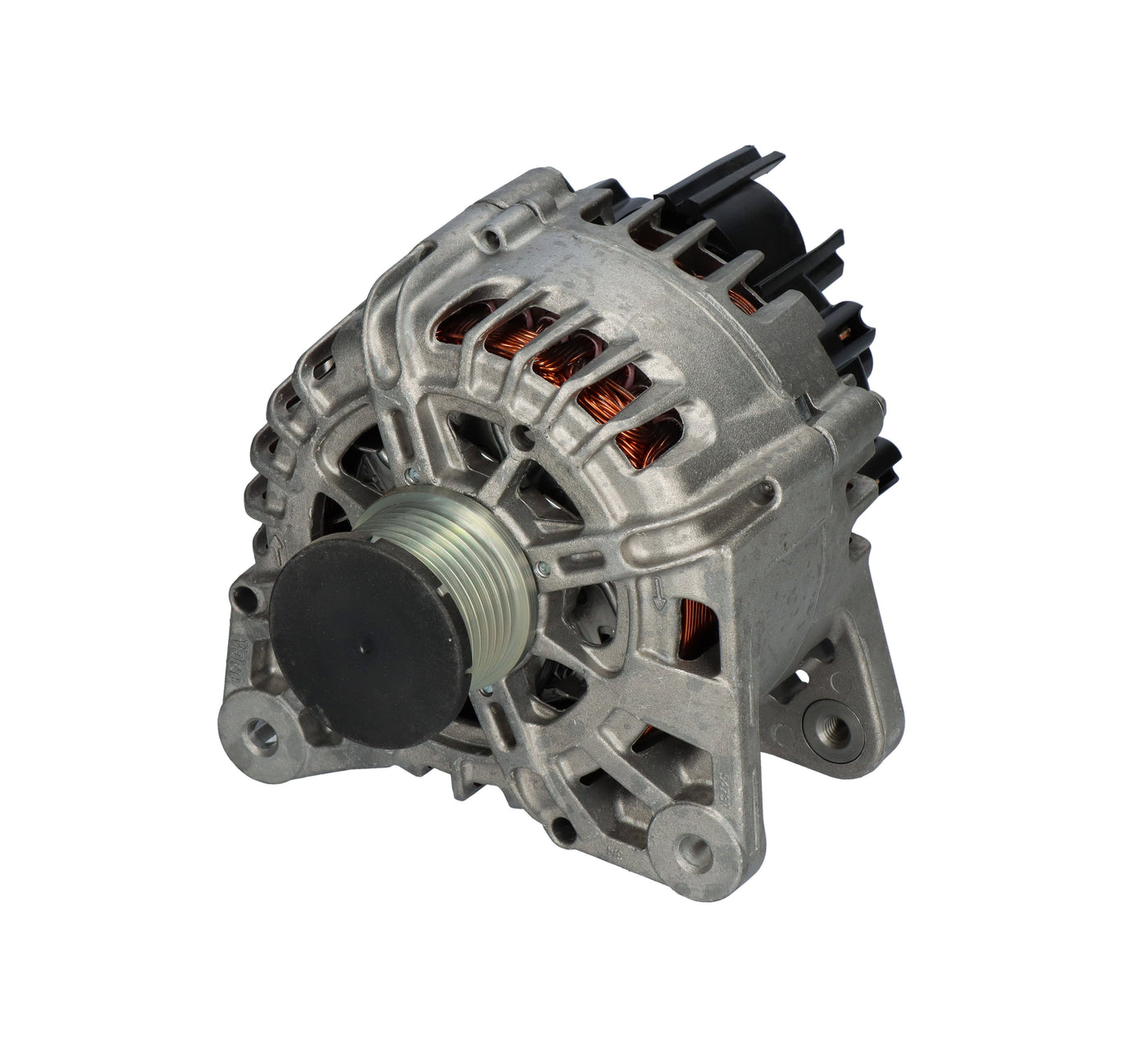
Is your Renault Captur acting up lately? It could be due to a faulty alternator. This crucial component of your vehicle's electrical system is responsible for keeping the battery charged and ensuring the smooth operation of various electrical systems, such as lights and power accessories. Ignoring a faulty alternator can lead to a host of problems, from a dead battery to a complete breakdown on the road. In this article, we will dive into why a faulty alternator in your Renault Captur can't be ignored. We'll explore the common signs of a failing alternator, including dimming headlights, warning lights on the dashboard, and unusual sounds. We'll also delve into the potential consequences of neglecting to address the issue promptly, such as damaging the battery and other electrical components. Don't let a faulty alternator put a halt to your adventures in your beloved Renault Captur. Stay tuned to discover the importance of timely alternator maintenance and learn how to prevent unexpected breakdowns on the road. We have Air Con Pumps for many different Renault vehicles including Renault Captur Alternator Part Number 231001318R
How does an alternator work?
The alternator plays a crucial role in your Renault Captur's electrical system. It is responsible for converting mechanical energy from the engine into electrical energy, which charges the battery and powers the electrical components of your vehicle. Understanding how the alternator works can help you recognize the signs of a faulty alternator and take appropriate action.
The alternator consists of three main components: a rotor, a stator, and a voltage regulator. When the engine is running, the rotor spins inside the stator, generating an alternating current (AC). The voltage regulator then converts the AC into direct current (DC) and regulates the voltage to ensure a steady supply of electricity to the battery and the electrical systems in your Renault Captur.
It's important to note that the alternator relies on a drive belt connected to the engine to rotate the rotor. If the drive belt is loose or damaged, it can affect the performance of the alternator and lead to various electrical issues in your vehicle. Now that we have a basic understanding of how the alternator works, let's explore the signs that indicate a faulty alternator in your Renault Captur.
Signs of a faulty alternator in your Renault Captur
Recognizing the signs of a failing alternator in your Renault Captur is crucial to prevent further damage and avoid unexpected breakdowns. While some symptoms may be more subtle than others, it's important not to ignore any potential warning signs. Here are some common indicators that your alternator may be faulty:
1. **Dimming headlights:** If you notice that your headlights are dimming or flickering, especially when you're driving at low speeds or idling, it could be a sign of a failing alternator. The alternator is responsible for providing power to the headlights, and a decrease in output can cause them to dim.
2. **Warning lights on the dashboard:** Modern vehicles, including the Renault Captur, have warning lights on the dashboard that illuminate when there is an issue with the electrical system. If you see the battery or alternator warning light stay lit or intermittently flash, it's a clear indication that there may be a problem with the alternator.
3. **Unusual sounds:** A faulty alternator can produce strange noises, such as a grinding or whining sound. This can be caused by worn-out bearings or other internal components. If you hear any unusual sounds coming from the engine area, it's important to have your alternator inspected by a qualified technician.
If you experience any of these signs, it's recommended to have your Renault Captur's alternator checked by a professional as soon as possible. Ignoring these warning signs can lead to severe consequences that can impact not only the alternator but also other electrical components in your vehicle.
Consequences of ignoring a faulty alternator
Neglecting to address a faulty alternator in your Renault Captur can have serious consequences. Here are some potential issues that can arise from ignoring a failing alternator:
1. **Battery damage:** The alternator is responsible for charging the battery while the engine is running. If the alternator fails, the battery will not receive a proper charge, leading to its gradual depletion. Over time, this can result in a completely drained battery, leaving you stranded and requiring a jump-start or replacement.
2. **Electrical system malfunction:** The alternator powers various electrical systems in your Renault Captur, including the lights, power accessories, and even the engine control unit (ECU). A faulty alternator can cause these systems to malfunction or work intermittently, leading to a loss of functionality and potentially compromising your safety on the road.
3. **Stalling or breakdown:** In some cases, a failing alternator can cause your Renault Captur to stall or break down unexpectedly. This can occur if the alternator fails to provide enough electrical power to keep the engine running. A sudden stall or breakdown can be dangerous, especially if it happens in the middle of traffic or in an unfamiliar location.
Ignoring a faulty alternator not only puts you at risk but also increases the likelihood of expensive repairs down the line. The longer you postpone addressing the issue, the more damage it can cause to other electrical components in your Renault Captur. Now that we understand the potential consequences of neglecting a faulty alternator, let's explore the common causes of alternator failure in Renault Captur.
Common causes of alternator failure in Renault Captur
The alternator in your Renault Captur is a robust component, but it can still fail due to various factors. Understanding the common causes of alternator failure can help you take preventive measures and ensure the longevity of this critical component. Here are some common reasons why alternators fail in Renault Captur:
1. **Worn-out brushes:** The alternator brushes are responsible for transferring electrical current between the rotor and the stator. Over time, these brushes can wear out, leading to poor electrical contact and decreased performance. Regular maintenance and timely brush replacement can prolong the life of your alternator.
2. **Faulty voltage regulator:** The voltage regulator is a crucial part of the alternator that maintains a steady voltage output. If the voltage regulator malfunctions, it can cause the alternator to overcharge or undercharge the battery, leading to various electrical issues. Regular inspections and replacement of faulty voltage regulators are essential to prevent alternator failure.
3. **Drive belt issues:** As mentioned earlier, the alternator relies on a drive belt to rotate the rotor. If the drive belt is loose, damaged, or worn out, it can affect the performance of the alternator and lead to insufficient charging of the battery. Regular inspection and maintenance of the drive belt can prevent alternator failure caused by belt-related issues.
4. **Excessive electrical load:** Running multiple power-hungry accessories or aftermarket modifications that draw excessive power can put additional strain on the alternator. This increased demand for electrical power can cause the alternator to work harder than it is designed to, leading to premature failure. It's important to ensure that the electrical load on the alternator is within its specified limits.
By understanding these common causes of alternator failure, you can take proactive measures to prevent such issues in your Renault Captur. Regular maintenance, timely replacement of worn-out components, and avoiding excessive electrical load can significantly prolong the life of your alternator. However, despite preventive measures, alternators can still fail over time. In the next section, we'll discuss some DIY tests to check the health of your alternator.
DIY tests to check the health of your alternator
While it's always recommended to have a professional diagnose and repair alternator issues, there are some simple DIY tests you can perform to get an initial idea of the health of your alternator. These tests can help you determine if further inspection or repair is required. Here are a few tests you can conduct:
1. **Battery voltage test:** Start by measuring the voltage of your Renault Captur's battery using a digital multimeter. With the engine off, the battery voltage should read around 12.6 volts. Start the engine and recheck the voltage. If it reads between 13.8 and 14.4 volts, it indicates that the alternator is charging the battery properly. Anything below or above these values may indicate an issue with the alternator.
2. **Headlight brightness test:** With the engine running and all electrical accessories turned off, observe the brightness of the headlights. They should be bright and steady. Turn on the air conditioning, rear defrost, and any other power-hungry accessory. If the headlights dim significantly or start flickering, it may indicate a problem with the alternator.
3. **Belt tension test:** Inspect the drive belt for any signs of wear, damage, or looseness. A loose or damaged belt can affect the performance of the alternator. If you notice any issues with the belt, it's recommended to have it inspected and replaced if necessary.
It's important to note that these DIY tests provide a basic assessment and should not replace a professional diagnosis. If you suspect a problem with your alternator based on the results of these tests, it's crucial to have it inspected and repaired by a qualified technician. Now that we've explored DIY tests to check the health of your alternator, let's discuss when to replace your alternator in Renault Captur.
When to replace your alternator in Renault Captur
Knowing when to replace your alternator is essential to prevent unexpected breakdowns and ensure the proper functioning of your Renault Captur's electrical system. While the lifespan of an alternator can vary depending on various factors, there are some signs that indicate it's time for a replacement. Here are a few indications that you may need to replace your alternator:
1. **Frequent battery issues:** If you find yourself frequently needing to jump-start your Renault Captur or replace the battery due to insufficient charge, it may indicate a failing alternator. A properly functioning alternator should keep the battery charged, so frequent battery issues can be a sign of alternator failure.
2. **Persistent warning lights:** If the battery or alternator warning light on your Renault Captur's dashboard remains lit or intermittently flashes, even after addressing other potential issues, it's a clear indication that the alternator needs replacement. These warning lights are designed to alert you to any electrical system issues, and a persistent light suggests a problem with the alternator.
3. **Unusual noises:** If you hear grinding, whining, or other unusual noises coming from the alternator area, it's a strong indication that it needs replacement. These noises can be caused by worn-out bearings or other internal components, and ignoring them can lead to further damage.
4. **Electrical system malfunctions:** If you experience frequent electrical system malfunctions, such as lights flickering, power accessories not working correctly, or the engine control unit (ECU) behaving erratically, it may be a result of a failing alternator. In such cases, it's crucial to have the alternator inspected and replaced if necessary.
If you notice any of these signs, it's recommended to have your alternator inspected by a qualified technician. They will be able to accurately diagnose the issue and determine if a replacement is necessary. Remember, timely replacement of a faulty alternator can save you from experiencing unexpected breakdowns and costly repairs. In the next section, we'll discuss how to choose the right alternator for your Renault Captur.
How to choose the right alternator for your Renault Captur
When it comes to choosing the right alternator for your Renault Captur, there are a few factors to consider. Selecting the correct alternator ensures compatibility, optimal performance, and longevity. Here are some key points to keep in mind when choosing an alternator for your Renault Captur:
1. **OEM or aftermarket:** You can choose between an original equipment manufacturer (OEM) alternator or an aftermarket alternator. OEM alternators are designed specifically for your vehicle make and model and are generally more expensive. Aftermarket alternators are produced by third-party manufacturers and can offer a cost-effective alternative. Consider your budget and the level of quality you desire when making this decision.
2. **Amperage rating:** The amperage rating of the alternator determines the maximum amount of electrical current it can produce. It's essential to choose an alternator with an amperage rating that matches or exceeds the requirements of your Renault Captur. Consult your vehicle's manual or seek advice from a qualified technician to ensure you select the appropriate amperage rating.
3. **Quality and reliability:** When choosing an alternator, prioritize quality and reliability. Look for reputable brands or manufacturers known for producing reliable alternators. Reading customer reviews and seeking recommendations from trusted sources can help you make an informed decision.
4. **Warranty:** Consider the warranty offered by the alternator manufacturer or supplier. A warranty provides peace of mind and protection against potential defects. Compare warranties and choose an alternator with a warranty that suits your needs.
By considering these factors, you can choose an alternator that meets the specific requirements of your Renault Captur. If you're unsure about which alternator to choose, it's always a good idea to consult a qualified technician or seek advice from an automotive specialist. Now that we've covered how to choose the right alternator, let's discuss the cost and options for alternator replacement.
Alternator replacement cost and options
The cost of replacing an alternator in your Renault Captur can vary depending on several factors, including the brand, quality, and whether you opt for an OEM or aftermarket alternator. Additionally, labor costs may vary depending on the location and the specific repair shop. Here are some cost considerations and options for alternator replacement:
1. **OEM alternator cost:** OEM alternators tend to be more expensive compared to aftermarket alternatives due to their specific design and higher-quality standards. The cost of an OEM alternator for a Renault Captur can range from $200 to $400, excluding labor charges.
2. **Aftermarket alternator cost:** Aftermarket alternators are generally more affordable than OEM options. The cost can range from $100 to $300, depending on the brand, quality, and amperage rating. It's important to choose a reputable aftermarket alternator to ensure reliability and performance.
3. **Labor charges:** The labor charges for alternator replacement can vary depending on the repair shop and location. On average, you can expect to pay between $100 and $300 for labor, depending on the complexity of the job.
4. **DIY alternator replacement:** If you have the necessary skills and