
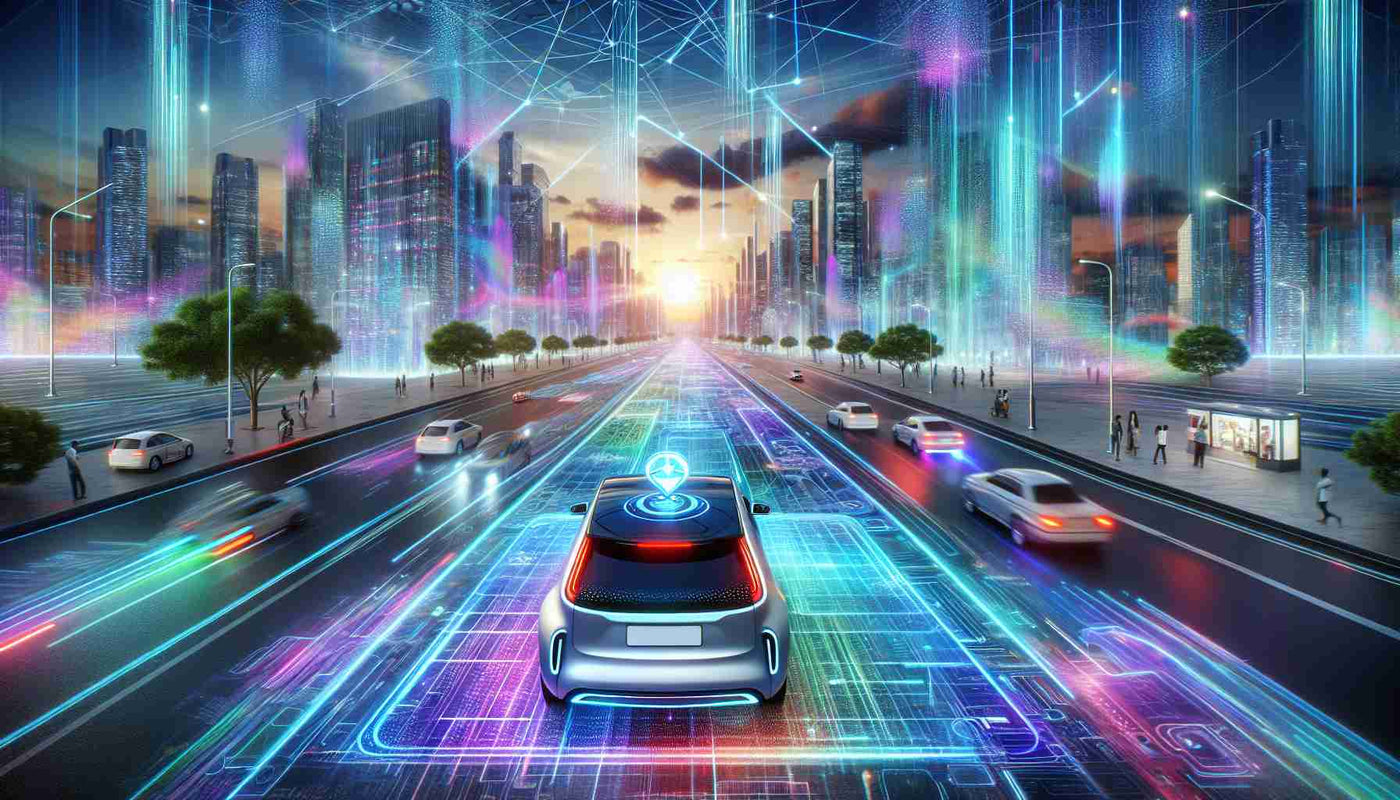
The automotive landscape is changing at an unprecedented pace, primarily driven by technological advancements. Among these innovations, autonomous vehicles come at the forefront, promising to revolutionize not just how we drive, but also how we think about transportation as a whole. In this comprehensive blog post, we will explore the rise of autonomous vehicles, what they mean for consumers, industries, and the environment, as well as the challenges and opportunities they present. Buckle up as we dive into the world of self-driving cars!
The Evolution of Autonomous Vehicles
To understand the rise of autonomous vehicles, it is essential to first appreciate the technological evolution that has brought us to this point. The journey of autonomous vehicles began decades ago.
The Early Beginnings
The concept of self-driving cars dates back to the 1920s when mechanical capabilities began to emerge. The 1980s marked a pivotal turning point with projects like Carnegie Mellon's Navlab having demonstrated autonomous driving capabilities. However, it wasn't until the last decade that technological advancements in sensors, artificial intelligence (AI), and machine learning propelled the industry forward.
Modern-Day Innovations
Today, companies like Google, Tesla, Waymo, and numerous automotive manufacturers are investing heavily in autonomous vehicle technology. These innovations include:
- Adaptive Cruise Control: A technology that regulates a vehicle's speed to maintain a safe distance from the car ahead.
- Lane-Keeping Assist: This system helps prevent unintentional lane departures.
- Automated Parking: Enables cars to park themselves with little to no input from the driver.
- Sensor Technologies: Lidar and radar systems help vehicles detect their surroundings in real-time.
The Benefits of Autonomous Vehicles
The rise of autonomous vehicles promises several benefits that could reshape entire urban landscapes and driving experiences. Here are some of the key advantages:
Enhanced Safety
Statistics show that human error accounts for over 90% of traffic accidents. Autonomous vehicles use complex algorithms and sensors to monitor their surroundings, significantly reducing the chances of fatal accidents. The implementation of self-driving technology could virtually eliminate accidents caused by driver negligence, such as distracted driving, alcohol impairment, and fatigue.
Improved Traffic Flow
With real-time data sharing and communication between vehicles, autonomous cars can optimize traffic flow, leading to reduced congestion. This could result in shorter travel times and lower fuel consumption, repainting our urban environments with seamless mobility.
Increased Accessibility
Autonomous vehicles hold the potential to revolutionize transportation for individuals who are unable to drive, such as the elderly or disabled. By providing reliable and easy access to transportation, self-driving cars can enhance the quality of life for many.
The Environmental Impact of Self-Driving Cars
Another critical aspect to consider is how the rise of autonomous vehicles affects the environment. With the integration of cleaner technologies and efficient traffic flow, self-driving cars could significantly diminish carbon emissions.
Reduced Carbon Footprint
Self-driving electric vehicles (EVs) offer the possibility of significantly lowering greenhouse gas emissions. As technology advances, it's likely that more manufacturers will produce electric vehicles with autonomous capabilities, leading to a cleaner planet.
Shared Mobility Solutions
Many proponents of autonomous vehicle technology advocate for shared mobility solutions, where multiple passengers can share rides in one vehicle. This approach reduces the number of cars on the road, leading to fewer emissions, enhanced energy efficiency, and reduced congestion.
Challenges Facing Autonomous Vehicle Adoption
Despite the benefits of self-driving cars, several challenges must be addressed before they can enter mainstream use. Understanding these hurdles is essential for comprehending the future of this transformative technology.
Legal and Regulatory Hurdles
The legal framework surrounding autonomous vehicles remains murky. Governments worldwide are grappling with how to regulate self-driving cars, establish liability in case of accidents, and ensure safety standards. Different countries are adopting various approaches to these challenges, creating a patchwork of regulations that could complicate widespread use.
Technological Limitations
While self-driving technology has made incredible strides, it is not yet perfect. Vehicles must accurately perceive and respond to diverse environments, including complex city infrastructure, unpredictable human behavior, and adverse weather conditions. Continued investment in R&D will be crucial to enhancing autonomous systems' reliability and performance.
Public Acceptance
Consumer acceptance of self-driving cars is another barrier to widespread adoption. Many people remain skeptical about relinquishing control to machines, fearing miscalculations and unforeseen circumstances. Educating the public about the safety and efficacy of autonomous vehicles will be necessary for encouraging acceptance.
The Future Landscape of Transportation
As technology continues to evolve, so does our understanding of transport. The rise of autonomous vehicles is just one part of a larger trend toward smarter city planning and more sustainable transportation systems. Here are a few trends shaping the future:
Integration with Smart Cities
The future of autonomous vehicles lies in their ability to integrate seamlessly with smart city infrastructures. Communication between vehicles, traffic lights, and city networks can create optimized travel scenarios, reducing congestion and enhancing safety. Investing in smart city technology will facilitate this integration, leading to a more interconnected urban landscape.
New Business Models
The automotive industry stands on the verge of transformation as autonomous vehicles introduce entirely new business models. Ride-sharing platforms could thrive as public transportation agencies collaborate with autonomous vehicle technologies to provide innovative mobility solutions. Car ownership may also evolve, allowing consumers to utilize on-demand transport services tailored to their needs.
Preparing for the Autonomous Revolution
Whether you are a consumer, a business owner, or just an interested observer, understanding the implications of autonomous vehicles is essential in today’s rapidly changing environment. Here are some practical steps to prepare for this automotive evolution:
Stay Informed
Keeping up-to-date with the latest developments in autonomous vehicle technology helps build understanding and acceptance. Following industry news and advancements will equip you to make informed decisions about the future of transportation.
Engage with Your Community
Communicating with others in your community can lead to insightful discussions and new perspectives. Host community forums or participate in local discussions to share knowledge and encourage engagement with new technologies.
Consider Your Transportation Needs
As autonomous vehicles become commercially available, reflecting on your current transportation habits will help you adapt to forthcoming changes. Whether you own a vehicle or rely on public transportation, consider how self-driving technology may enhance your travel experiences.
Explore Sustainable Mobility Alternatives
As the world shifts toward greener, more efficient transportation options, explore opportunities for electric or hybrid vehicles. Embracing sustainability will only add value as autonomous technologies become increasingly common.
Embarking on the Journey Ahead
The rise of autonomous vehicles marks a pivotal moment in the history of transportation. Understanding the implications, benefits, and challenges of this technology allows us to better navigate the future. As the landscape continues to evolve, it is essential to stay informed and adaptable. Buckle up and get ready for a bright future where autonomous vehicles will undoubtedly reshape the way we experience mobility, leading us towards safer, more efficient, and more sustainable transportation solutions. The road ahead is full of opportunities, and we all have a role to play in this vibrant new era of autonomous driving!