
Overview
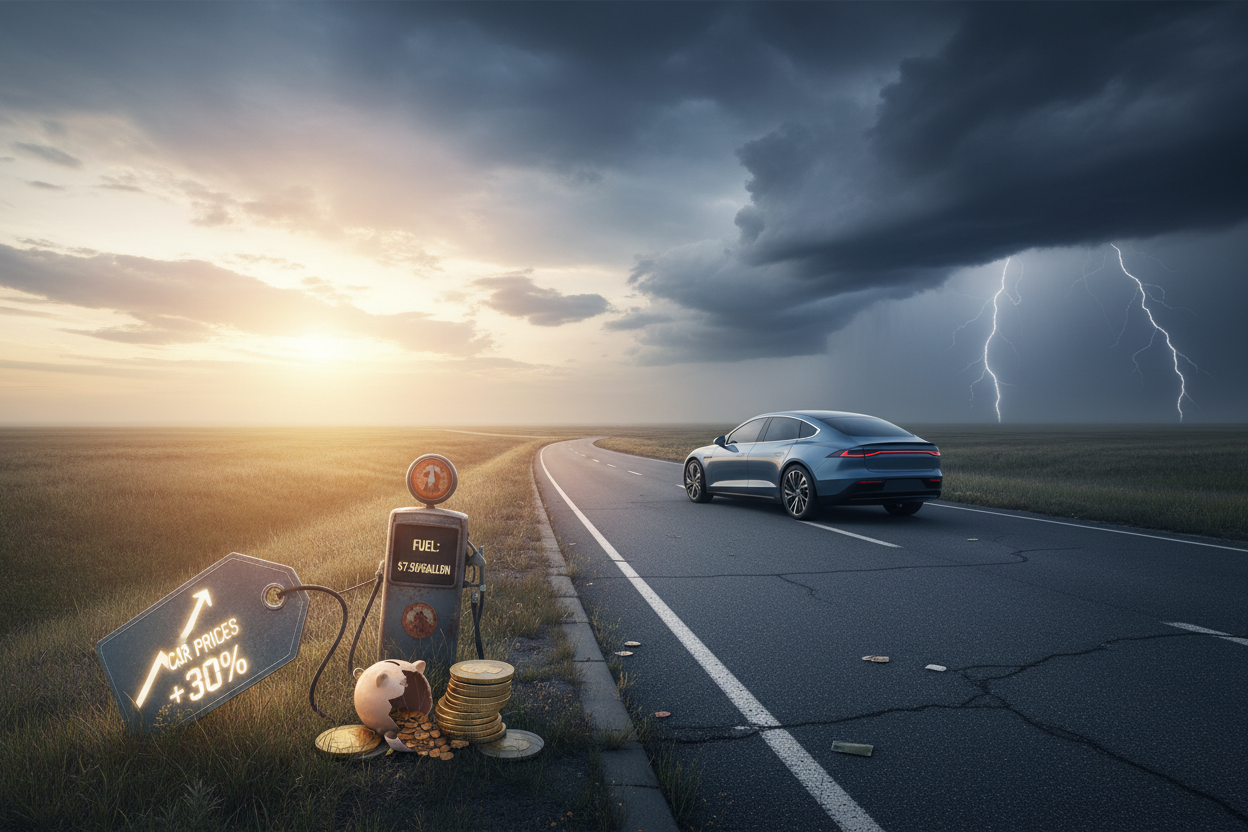
Economic changes significantly impact car ownership, influenced by factors like inflation, fuel prices, employment shifts, urbanization, and demographic trends. Consumers are increasingly favoring used cars and alternative transportation methods due to rising costs and changing lifestyles. The future of car ownership may lean towards electric vehicles, subscription models, and autonomous technology, reflecting a shift in consumer priorities towards affordability and sustainability. Understanding these dynamics is essential for making informed car purchasing decisions.
Table of Contents
- The Current Economic Landscape
- Inflation and Car Affordability
- Shifts in Employment and Their Influence
- Fuel Prices and Their Role
- The Connection Between Fuel Prices and Car Selection
- The Rise of Electric Vehicles
- Urbanization and Changing Lifestyles
- The Shift Toward Alternative Modes of Transportation
- Demographic Changes and Car Ownership
- The Impact of Millennials and Gen Z on Car Buying Trends
- Future Trends in Car Ownership
- Increased Access to Autonomous Vehicles
- Sustainability and Eco-Friendly Choices
- Shift Toward Ownership Models
- Wrapping It Up: Navigating the Future of Car Ownership
Key Takeaways
- Economic factors like inflation and fuel prices significantly influence car ownership decisions.
- Rising inflation has led consumers to consider used vehicles over new ones due to affordability concerns.
- Shifts in employment and job insecurity can delay car purchases, prompting reliance on public transport or rideshare options.
- Increasing fuel prices drive consumers towards more fuel-efficient vehicles, such as hybrids and electric cars.
- The trend of urbanization is reducing the need for personal vehicles, with many opting for alternative transportation methods.
- Millennials and Gen Z prioritize experiences over ownership, leading to a preference for ridesharing and subscription services.
- Emerging technologies like autonomous vehicles and eco-friendly options are reshaping future car ownership models.
In the fast-paced world of today, the relationship between economic changes and car ownership has never been more profound. From shifts in the job market to fluctuating fuel prices, various economic factors influence how we view car ownership. This article will delve into these dynamics, offering insights on trends that shape our driving options and the implications for consumers. Understanding these broader economic landscapes can provide valuable context for individuals considering car purchases now or in the future.
The Current Economic Landscape
As we analyze the impact of economic changes on car ownership, it's essential to understand the myriad factors defining our current economic landscape. Inflation rates, car prices, unemployment rates, and changing consumer behavior all play crucial roles in shaping the automotive market. Analyzing these elements gives us a clearer perspective on the challenges and opportunities surrounding car ownership.
Inflation and Car Affordability
Inflation has surged in many parts of the world, affecting everything from the cost of goods to the prices of services. When it comes to car ownership, inflation has a direct impact on how much people can afford to spend on vehicles. With rising costs across the board, consumers may find themselves limiting their car purchase options or considering used vehicles instead of new ones.
The increased cost of new cars, driven largely by supply chain disruptions and heightened demand, has led consumers to explore alternative options. Many buyers are turning to pre-owned cars, often citing affordability as a primary reason. This, in turn, creates a ripple effect through the automotive industry as demand for used vehicles increases.
Shifts in Employment and Their Influence
Another significant element in the economic landscape is the state of employment. The job market has experienced dramatic shifts in recent years, particularly due to the COVID-19 pandemic. Many individuals have faced job insecurity, impacting their financial stability and purchasing power.
When consumers feel uncertain about their job security, they tend to delay significant purchases. For many, this includes cars. High levels of unemployment can lead to a decrease in car ownership, as people may opt for public transportation or rideshare services to cut costs. Understanding these employment trends is crucial for grasping how they influence car ownership rates.
Fuel Prices and Their Role
Fuel prices are another critical economic factor that consistently impacts car ownership. Not only do these prices affect how much drivers pay at the pump, but they also shape consumer attitudes toward vehicle efficiency and even ownership itself.
The Connection Between Fuel Prices and Car Selection
When fuel prices surge, consumers generally gravitate toward more fuel-efficient vehicles. This shift often leads to a spike in the popularity of hybrids and electric cars, as individuals seek to minimize their fuel expenditure. On the other hand, during periods of low fuel prices, larger, less efficient vehicles, such as SUVs, frequently see increased sales. The pendulum swing in consumer preferences showcases how sensitive car ownership can be to fuel price changes.
The Rise of Electric Vehicles
With concerns over climate change and the desire for sustainable alternatives becoming increasingly mainstream, electric vehicles (EVs) have gained momentum. Government incentives and changing regulations surrounding emissions standards also encourage consumers to opt for electric cars, further reflecting the economic context. As battery technology improves, the affordability of EVs is likely to increase, altering the landscape of car ownership significantly.
Urbanization and Changing Lifestyles
The trend toward urban living is another key factor driving changes in car ownership. As more people choose to live in cities, where public transportation is more robust and traffic congestion can be a headache, the need for personal vehicles may diminish.
The Shift Toward Alternative Modes of Transportation
Many urban dwellers are opting for alternatives such as biking, public transit, and rideshare services. In response to these lifestyle changes, some people are choosing to forego owning a car entirely. This shift prompts them to rely on more sustainable modes of transportation, creating a significant alteration in car ownership trends. In many cities, car-sharing services are becoming a popular solution for those who need occasional access to a vehicle without the commitment of ownership.
Demographic Changes and Car Ownership
As various demographic factors come into play, these can also shape car ownership trends. Younger generations, like Millennials and Gen Z, often prioritize experiences over material possessions, and this mindset is reflected in their relationship with cars.
The Impact of Millennials and Gen Z on Car Buying Trends
Millennials have exhibited different preferences when it comes to car ownership compared to older generations. Many young adults place a higher value on convenience and experience, leading to decreased interest in buying cars. Instead, options like ridesharing and subscription services are becoming more favorable as these consumers navigate their mobility needs.
Additionally, with the rise of remote work, flexibility in employment has changed transportation needs for many. Some individuals may not require a car at all, while others may choose to invest in a vehicle that aligns better with their lifestyles, such as compact cars that cater to urban driving.
Future Trends in Car Ownership
Looking ahead, several trends are shaping the future of car ownership. Understanding these trends will help consumers make informed decisions that align with their budget, lifestyle, and values.
Increased Access to Autonomous Vehicles
Autonomous technology is quickly advancing, and the introduction of self-driving vehicles could change the landscape of car ownership dramatically. As self-driving cars are designed to optimize safety and convenience, there is a potential for these vehicles to become an accessible and preferred mode of transportation for many. Who needs to own a car when you can have access to a self-driving fleet at your demand?
Sustainability and Eco-Friendly Choices
As the demand for sustainable transport options rises, we can anticipate a sharper focus on environmentally-friendly technologies in the automotive sector. With consumers becoming increasingly conscious of their carbon footprints, the demand for electric, hybrid, and alternative fuel vehicles will likely continue to grow. Manufacturers will need to innovate and adapt in response to these preferences to remain competitive.
Shift Toward Ownership Models
Ownership models are also evolving, with many consumers embracing subscription services or car leasing as alternatives to traditional ownership. This shift reflects changing attitudes towards car ownership, where flexibility and affordability take precedence. As this trend continues, it may redefine how we perceive cars as assets, making them more readily accessible to a wider demographic.
Wrapping It Up: Navigating the Future of Car Ownership
The intertwining relationship between economic changes and car ownership requires careful consideration. By understanding the factors that influence car buying behavior, from inflation and fuel prices to shifting demographics and modernization, consumers can make informed choices that suit their needs and budgets. As we navigate an ever-changing economic environment, adaptability and awareness will be key. Whether you’re a first-time buyer or a seasoned car owner reflecting on future trends, remember that staying informed is your best strategy for making decisions that benefit your lifestyle and financial well-being.
At CarBreakers.ie, we’re dedicated to providing you with the latest insights into car ownership and the automotive landscape. Be sure to check back for more articles that guide you through the complexities of car ownership in today’s economic climate.
Frequently Asked Questions
1. What economic factors influence car ownership?
2. How does inflation affect car affordability?
3. What role do fuel prices play in car selection?
4. How are urbanization trends changing car ownership?
5. What are some future trends in car ownership?
Glossary
| Term | Meaning |
|---|---|
| Inflation | The rate at which prices for goods and services rise, affecting purchasing power. |
| Car Affordability | The ability of consumers to purchase vehicles based on their financial situation. |
| Pre-Owned Vehicles | Used cars that have had previous owners, often more affordable than new ones. |
| Fuel Efficiency | The distance a vehicle can travel per unit of fuel, influencing consumer choices. |
| Electric Vehicles (EVs) | Cars powered by electricity, often seen as more sustainable options. |
| Urbanization | The increasing population in cities, affecting transportation needs and car ownership. |
| Rideshare Services | Platforms that allow users to share rides with others, reducing the need for personal vehicles. |
| Subscription Services | Flexible car access models where consumers pay to use a vehicle without ownership. |
| Autonomous Vehicles | Self-driving cars designed to operate without human intervention. |
| Demographic Changes | Shifts in population characteristics that influence consumer behavior and preferences. |