
Overview
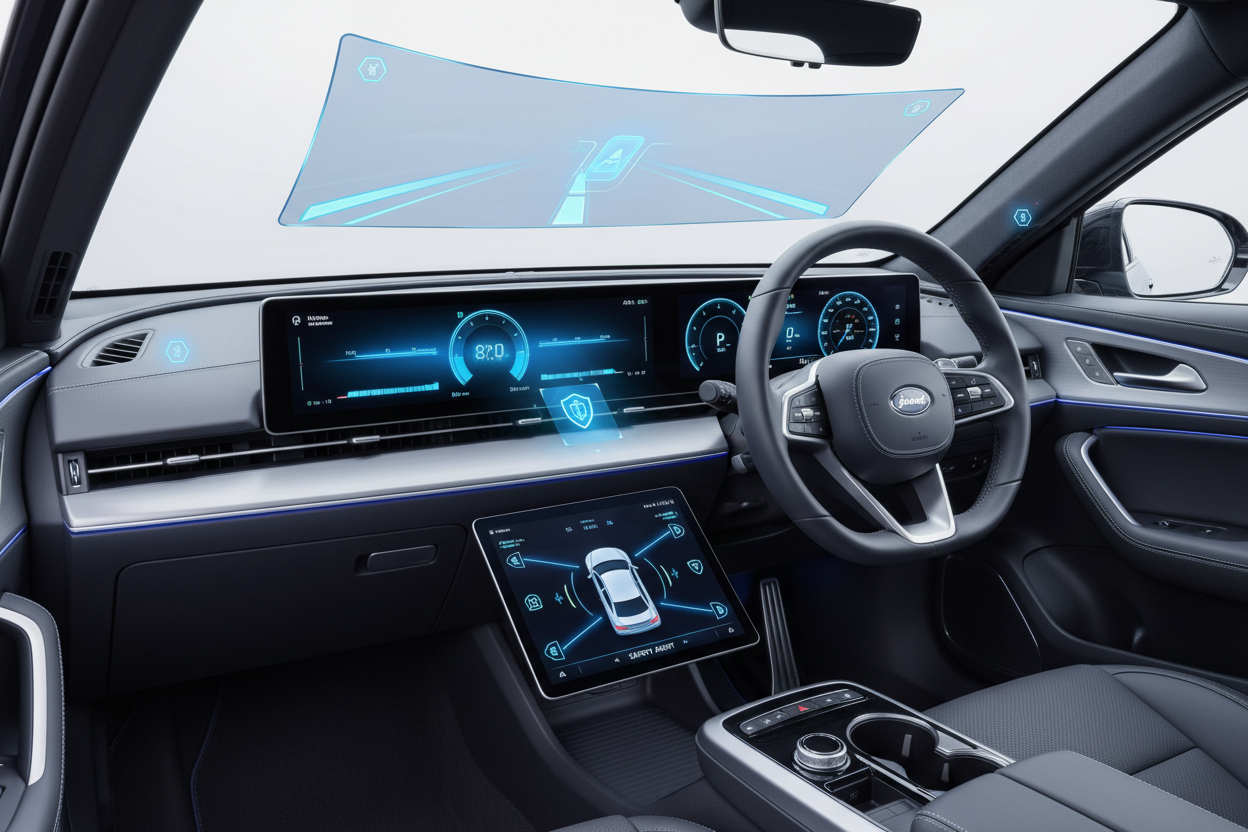
The automotive industry is evolving with advanced safety features such as AI-powered collision avoidance systems, V2X communication, enhanced ADAS technologies, improved structural safety, and a focus on cybersecurity. Future innovations will prioritize user experience, sustainability, and the human element in safety, ensuring safer roads for all. Stay informed to make educated vehicle choices.
Table of Contents
- Smart Technology Integration
- AI-Powered Collision Avoidance Systems
- Adaptive Cruise Control Enhancements
- Vehicle-to-Everything (V2X) Communication
- Traffic Management Improvements
- Enhanced Pedestrian Safety
- Advanced Driver Assistance Systems (ADAS)
- Integration of Sensor Technologies
- Seamless User Experience
- Enhanced Structural Safety Features
- Lightweight Yet Strong Materials
- Innovative Crumple Zones
- Cybersecurity in Automotive Safety
- Robust Encryption Protocols
- Continuous Software Updates
- Sustainability and Safety
- Recyclable Materials
- Electric Vehicle Safety Standards
- The Human Element in Automotive Safety
- Driver Monitoring Systems
- Education and Training Initiatives
- Stay Ahead of the Curve!
Key Takeaways
- Smart Technology Integration: Expect the rise of AI and machine learning in vehicles, enhancing decision-making and safety.
- AI-Powered Collision Avoidance: New vehicles will feature systems that predict hazards using real-time data from various sensors.
- Vehicle-to-Everything (V2X) Communication: This technology will allow vehicles to communicate with each other and infrastructure, improving safety.
- Enhanced Pedestrian Safety: V2X will help vehicles detect pedestrians at crosswalks, reducing accidents.
- Advanced Driver Assistance Systems (ADAS): Future ADAS will include more sophisticated features for improved driver safety.
- Cybersecurity Measures: Manufacturers will need to prioritize security to protect against vulnerabilities in connected vehicles.
- Sustainability in Safety: The use of recyclable materials and adapting safety standards for electric vehicles will be crucial for future designs.
Frequently Asked Questions
1. What are some emerging trends in automotive safety features?
2. How does AI improve collision avoidance in vehicles?
3. What role does V2X communication play in road safety?
4. How are materials evolving to enhance vehicle safety?
5. Why is cybersecurity important in automotive safety?
The automotive industry is continuously evolving, especially when it comes to safety features. As technology and engineering advancements shape the roads of tomorrow, it is vital for car owners and enthusiasts to understand what trends are emerging in automotive safety. This not only enhances road safety but also offers buyers the assurance that their vehicles come equipped with the latest innovations. In this blog post, we will dive into the future trends of automotive safety features that you should be aware of.
Smart Technology Integration
One of the most anticipated changes in the automotive safety landscape is the integration of smart technology. From artificial intelligence to machine learning, these advancements are poised to significantly impact how vehicles process information and make decisions on the road.
AI-Powered Collision Avoidance Systems
AI-powered collision avoidance systems are expected to become standard in many new vehicles. Utilizing data from various sensors, these systems analyze driving conditions in real time, predicting potential hazards before they materialize. The implementation of such systems can prevent accidents, offering a higher level of security for drivers and passengers alike.
Adaptive Cruise Control Enhancements
Gone are the days when cruise control was a simple feature that maintained a constant speed. Future enhancements will allow adaptive cruise control systems to integrate with navigation data, adjusting the vehicle's speed and distance from other cars based on traffic conditions. This trend not only promotes convenience but also elevates safety standards on highways.
Vehicle-to-Everything (V2X) Communication
As we progress into the future, the concept of Vehicle-to-Everything (V2X) communication will become increasingly prevalent. This technology allows vehicles to communicate with each other and with surrounding infrastructure, like traffic lights and road signs, enhancing decision-making and safety.
Traffic Management Improvements
By sharing real-time information about traffic conditions, V2X communication will help minimize the risk of collisions. For instance, if a vehicle detects a hazard ahead, it can transmit that information to other vehicles and inform them to slow down or take alternative routes. This collaborative approach to road safety will lead to a significant reduction in accidents.
Enhanced Pedestrian Safety
V2X technology is also beneficial for pedestrian safety. By communicating with smart crosswalks, vehicles will be better equipped to detect when pedestrians are waiting to cross the road, allowing them to slow down or stop as needed. This proactive measure could potentially save countless lives on busy streets.
Advanced Driver Assistance Systems (ADAS)
Advanced Driver Assistance Systems (ADAS) are not new, but their future iterations promise to be more sophisticated and widely adopted. Features like blind-spot monitoring, lane-keeping assistance, and automatic emergency braking will continue to evolve, providing an additional layer of safety for drivers.
Integration of Sensor Technologies
The future of ADAS will heavily rely on advances in sensor technologies. High-definition cameras, radar, and lidar will become more integrated into vehicle designs, providing comprehensive environmental awareness. This will allow vehicles to react to their surroundings better than ever before.
Seamless User Experience
Future ADAS technologies will also focus on the user experience. Designers and engineers will aim to create systems that provide alerts and assistance without overwhelming the driver. By using intuitive interfaces and smart alerts, drivers can remain focused on the road while receiving necessary feedback from their vehicles.
Enhanced Structural Safety Features
As we look forward, the structural integrity of vehicles will continue to be a focal point in automotive safety. New materials and construction techniques promise to improve vehicle durability while minimizing weight.
Lightweight Yet Strong Materials
The introduction of lightweight materials like carbon fiber and advanced high-strength steel allows manufacturers to create stronger and safer vehicles without compromising efficiency. These materials can absorb shocks better during collisions, providing greater protection for passengers.
Innovative Crumple Zones
Future vehicle designs will focus on enhancing crumple zones, which absorb and redirect energy away from passengers during an accident. By optimizing crumple zones using 3D modeling and simulation technology, manufacturers can improve the overall safety of vehicles significantly.
Cybersecurity in Automotive Safety
As vehicles become more connected, cybersecurity will play a critical role in future automotive safety. Hackers can exploit vulnerabilities in vehicle networks, potentially compromising safety features. Thus, manufacturers will need to prioritize security measures to protect drivers and their passengers.
Robust Encryption Protocols
Integrating robust encryption protocols will be essential for protecting sensitive vehicle data and communication channels. Manufacturers will be required to implement advanced security measures to ensure that features like keyless entry and V2X communication networks are safeguarded against unauthorized access.
Continuous Software Updates
With the rise of over-the-air (OTA) updates, vehicles will receive continuous software updates to address security vulnerabilities. Regular updates will help protect vehicles against emerging threats, ensuring that automotive safety remains a primary focus in the industry.
Sustainability and Safety
There is a growing trend toward sustainability within the automotive industry, and this intersects with safety in interesting ways. Manufacturers are seeking to create greener vehicles that maintain high safety standards.
Recyclable Materials
Using recyclable materials in vehicle construction not only contributes to environmental sustainability but also enhances safety. By sourcing materials that can withstand impacts while being eco-friendly, manufacturers can offer vehicles that are both safe and sustainable.
Electric Vehicle Safety Standards
As electric vehicles (EVs) become more mainstream, safety standards will need to be adapted to address specific risks associated with EV technology. This includes considerations for battery safety, as well as ensuring that the overall structural integrity of the vehicle remains uncompromised.
The Human Element in Automotive Safety
While technology plays a significant role in enhancing automotive safety, the human factor is often overlooked. Future safety features will need to account for human behavior, addressing the reasons behind unsafe practices.
Driver Monitoring Systems
Driver monitoring systems will become increasingly important as a method of ensuring driver attention and safety. By analyzing behaviors such as drowsiness and distraction, vehicles will take proactive steps to alert the driver, thereby preventing accidents before they happen.
Education and Training Initiatives
Vehicle manufacturers and dealerships should invest in educational initiatives aimed at promoting safe driving practices. Enhancing driver knowledge about the capabilities of their vehicles and the importance of adhering to safety measures can lead to a culture of safety on the roads.
Stay Ahead of the Curve!
The future of automotive safety features promises a wealth of innovations aimed at protecting drivers, passengers, and pedestrians alike. By staying informed about these advancements, car owners can make educated decisions when purchasing vehicles that prioritize safety. Embracing technology, enhancing structural integrity, and addressing human behaviors will collectively contribute to safer roads for everyone. As the automotive industry continues to evolve, you can expect a brighter, safer future on the horizon!
Glossary
| Term | Meaning |
|---|---|
| Smart Technology Integration | Incorporation of advanced tech like AI and machine learning in vehicles. |
| AI-Powered Collision Avoidance | Systems that predict and prevent potential accidents using real-time data. |
| Adaptive Cruise Control | Automatically adjusts speed based on traffic conditions. |
| V2X Communication | Technology enabling vehicles to communicate with each other and infrastructure. |
| ADAS | Advanced systems that assist drivers with safety features like lane-keeping. |
| Crumple Zones | Areas of a vehicle designed to absorb impact energy during a collision. |
| Cybersecurity | Measures to protect vehicle networks from hacking and unauthorized access. |
| Driver Monitoring Systems | Technologies that assess driver attention to prevent accidents. |
| Recyclable Materials | Eco-friendly materials used in vehicle construction that enhance safety. |
| Continuous Software Updates | Regular updates to improve vehicle security and functionality. |