
Overview
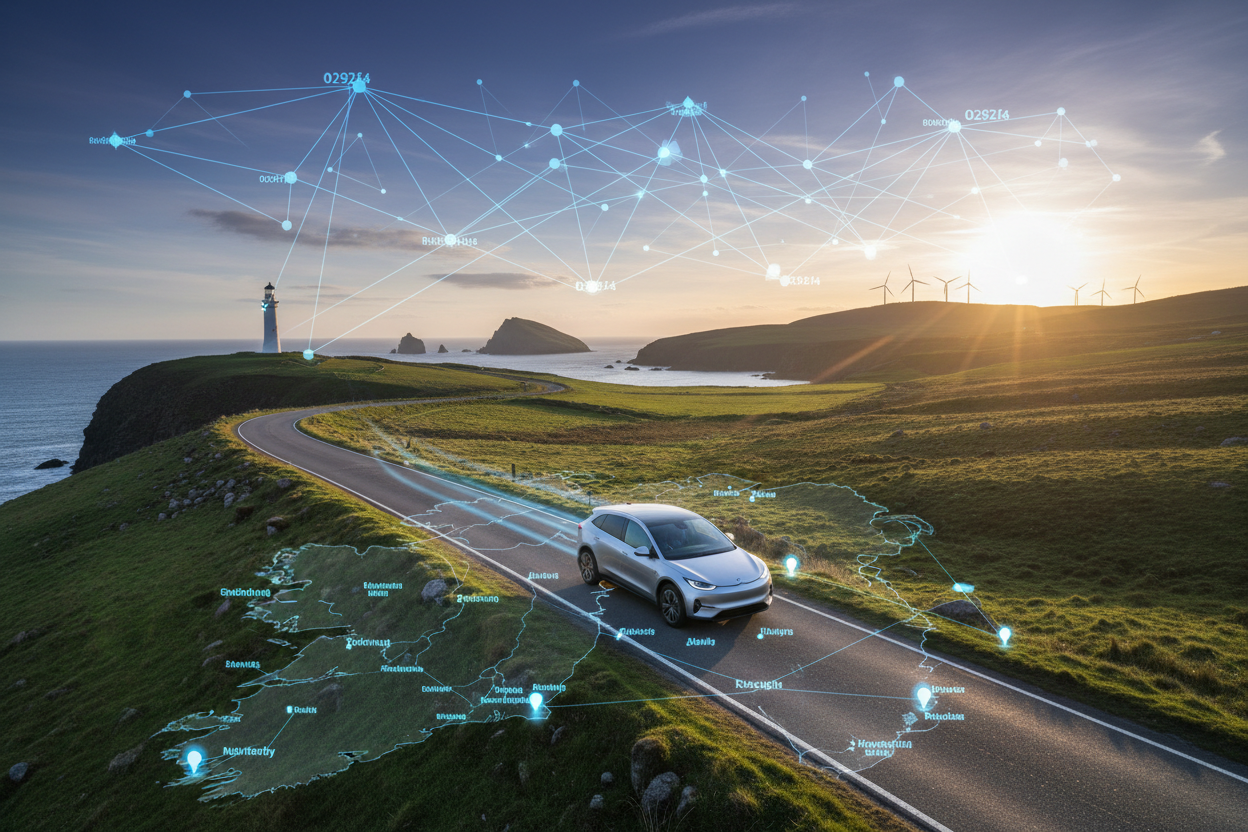
The integration of connectivity in modern vehicles is transforming the automotive industry by enhancing safety, comfort, and efficiency. Key features include real-time traffic updates, advanced driver assistance systems, and personalized infotainment experiences. While connectivity offers numerous benefits, challenges such as privacy concerns and over-reliance on technology must be addressed. The future promises further advancements, including autonomous vehicles and smart city integration.
Table of Contents
- Understanding Connectivity in Modern Vehicles
- Types of Connectivity
- The Impact of Connectivity on Safety
- Real-Time Traffic Updates
- Advanced Driver Assistance Systems (ADAS)
- Emergency Response Systems
- Enhancing the Driving Experience
- Infotainment Systems
- Personalized Experiences
- Remote Vehicle Management
- The Future of Connectivity in Driving
- Autonomous Vehicles
- Smart City Integration
- Potential Challenges of Connected Driving
- Privacy and Data Security
- Over-Reliance on Technology
- Join the Revolution
Key Takeaways
- Connectivity in vehicles transforms cars into complex networks that enhance safety, comfort, and efficiency.
- Vehicle-to-Vehicle (V2V) communication allows cars to share critical information about speed and hazards, reducing accident risks.
- Advanced Driver Assistance Systems (ADAS) utilize connectivity to provide alerts and support, improving driver safety in challenging conditions.
- Infotainment systems in modern cars offer internet access for music, navigation, and streaming, enhancing the overall driving experience.
- Remote vehicle management through mobile apps allows owners to monitor and control their vehicles, increasing convenience.
- Future advancements in connectivity will focus on autonomous vehicles and smart city integration to improve traffic management and transportation efficiency.
- Privacy and data security are critical concerns as increased connectivity raises potential vulnerabilities to hacking and data breaches.
Frequently Asked Questions
1. What is connectivity in modern vehicles?
2. How does connectivity improve safety in vehicles?
3. What are some types of connectivity found in modern cars?
4. How does connectivity enhance the driving experience?
5. What are potential challenges of connected driving?
The automotive industry is consistently evolving, but one of the most significant shifts in recent years is the integration of connectivity in vehicles. Today, cars are no longer just machines; they are complex networks of technology that enhance safety, comfort, and efficiency. In this article, we will explore how connectivity is revolutionizing the driving experience, paving the way for a safer and more enjoyable ride.
Understanding Connectivity in Modern Vehicles
At its core, connectivity in vehicles refers to the ability of cars to connect to the internet and communicate with other devices, including smartphones, smart home systems, and the broader infrastructure. This phenomenon, sometimes referred to as "connected cars," encompasses various technologies ranging from basic in-car Wi-Fi to advanced vehicle-to-vehicle (V2V) communications.
Types of Connectivity
- Internet of Things (IoT): Many modern vehicles come equipped with sensors and smart devices that collect data and send it to the cloud for analysis, allowing for real-time insights.
- Vehicle-to-Vehicle (V2V): This technology enables vehicles to communicate with one another, sharing information about speed, location, and potential hazards to prevent accidents.
- Vehicle-to-Infrastructure (V2I): Cars can interact with surrounding infrastructure, such as traffic lights and road signs, to optimize driving routes and enhance safety.
- Mobile Connectivity: Integration with smartphones through apps allows drivers to control various functions, receive real-time alerts, and enhance navigation experiences.
The Impact of Connectivity on Safety
One of the most promising benefits of connectivity is its potential to enhance safety on the roads. With the integration of various technologies, drivers can enjoy a safer driving experience in multiple ways.
Real-Time Traffic Updates
Connected cars can access real-time traffic information, helping drivers avoid congested areas and get to their destinations faster. By adjusting routes based on live conditions, drivers are less likely to encounter dangerous situations caused by sudden traffic stops or gridlocks.
Advanced Driver Assistance Systems (ADAS)
Many vehicles now come with ADAS, which utilizes connectivity to provide critical alerts to drivers. Features such as adaptive cruise control, lane-keeping assistance, and collision warning systems rely on data from sensors and cameras. These technologies help decrease the chances of accidents and offer additional support to drivers, especially in challenging conditions.
Emergency Response Systems
Connected vehicles often include emergency response systems that automatically alert authorities in the event of a crash. These systems can provide crucial information, such as the vehicle's location and the severity of the situation, allowing for a faster emergency response.
Enhancing the Driving Experience
In addition to improving safety, connectivity significantly enhances the overall driving experience, making journeys more enjoyable and productive.
Infotainment Systems
Modern cars are equipped with sophisticated infotainment systems that connect to the internet, allowing drivers and passengers to access music, podcasts, navigation tools, and even video streaming. This connectivity transforms the traditional driving experience into an interactive entertainment hub, making long journeys feel shorter and more pleasurable.
Personalized Experiences
Connected cars can learn driver preferences, adjusting settings like seat position, climate control, and audio preferences automatically. Drivers no longer need to waste time fiddling with controls; their car adapts to them, creating a seamless and personalized driving environment.
Remote Vehicle Management
Thanks to mobile connectivity, many vehicles now offer apps that allow owners to monitor and manage their vehicle remotely. From checking fuel levels to scheduling maintenance, being able to interact with a car via a smartphone app enhances convenience and helps ensure that vehicles are always in top shape.
The Future of Connectivity in Driving
As technology continues to advance, the future of connectivity in driving looks brighter than ever. Automakers are investing heavily in research and development to create even more connected features that enhance safety and user experience.
Autonomous Vehicles
One of the most exciting aspects of connected technology is its potential role in fully autonomous vehicles. As cars become more capable of driving themselves, connectivity will be paramount in ensuring these vehicles can safely interact with one another and their environment. Real-time data sharing among vehicles and infrastructure will be essential for successful autonomous driving.
Smart City Integration
Connectivity does not just end with vehicles; smart city initiatives aim to improve urban living through technology. Future cars will be integrated with smart city systems, resulting in a holistic approach to traffic management, reducing congestion, and enhancing overall transportation efficiency.
Potential Challenges of Connected Driving
While the benefits of connected driving are significant, it’s essential to consider the potential challenges that come with such rapid technological advancements.
Privacy and Data Security
With increased connectivity comes increased vulnerability to hacking and data breaches. Personal information shared between vehicles and the cloud must be protected to ensure driver privacy. Automakers must prioritize cybersecurity measures to safeguard user data and ensure consumer trust.
Over-Reliance on Technology
As vehicles become more connected and automated, there is a risk that drivers may become overly reliant on technology. It is crucial for drivers to remain engaged and attentive while driving, even when assistance features are in use.
Join the Revolution
The connectivity revolution is well underway, and its impact on the driving experience is undeniable. From enhanced safety features to improved entertainment systems, drivers today enjoy an array of advanced technologies designed to make their journeys more enjoyable and secure.
As we look ahead, it's clear that connectivity will play a central role in shaping the future of transportation. Embrace the changes, stay informed, and get ready to be amazed by the next wave of innovations that will redefine how we drive. Don't miss out on the opportunity to be part of this exciting evolution—your next driving experience might just be the best one yet!
Glossary
| Term | Meaning |
|---|---|
| Connectivity | Ability of vehicles to connect to the internet and communicate with devices. |
| Connected Cars | Vehicles equipped with technology to communicate with other devices and systems. |
| IoT | Network of devices that collect and exchange data via the internet. |
| V2V | Vehicle-to-Vehicle communication to share information and enhance safety. |
| V2I | Vehicle-to-Infrastructure communication for optimizing routes and safety. |
| ADAS | Advanced Driver Assistance Systems that provide alerts and support to drivers. |
| Infotainment Systems | Integrated systems providing entertainment and information to drivers and passengers. |
| Remote Vehicle Management | Using apps to monitor and manage vehicle functions remotely. |
| Autonomous Vehicles | Self-driving cars that rely on connectivity for safe operation. |
| Smart City Integration | Connecting vehicles with urban infrastructure for improved traffic management. |