
Overview
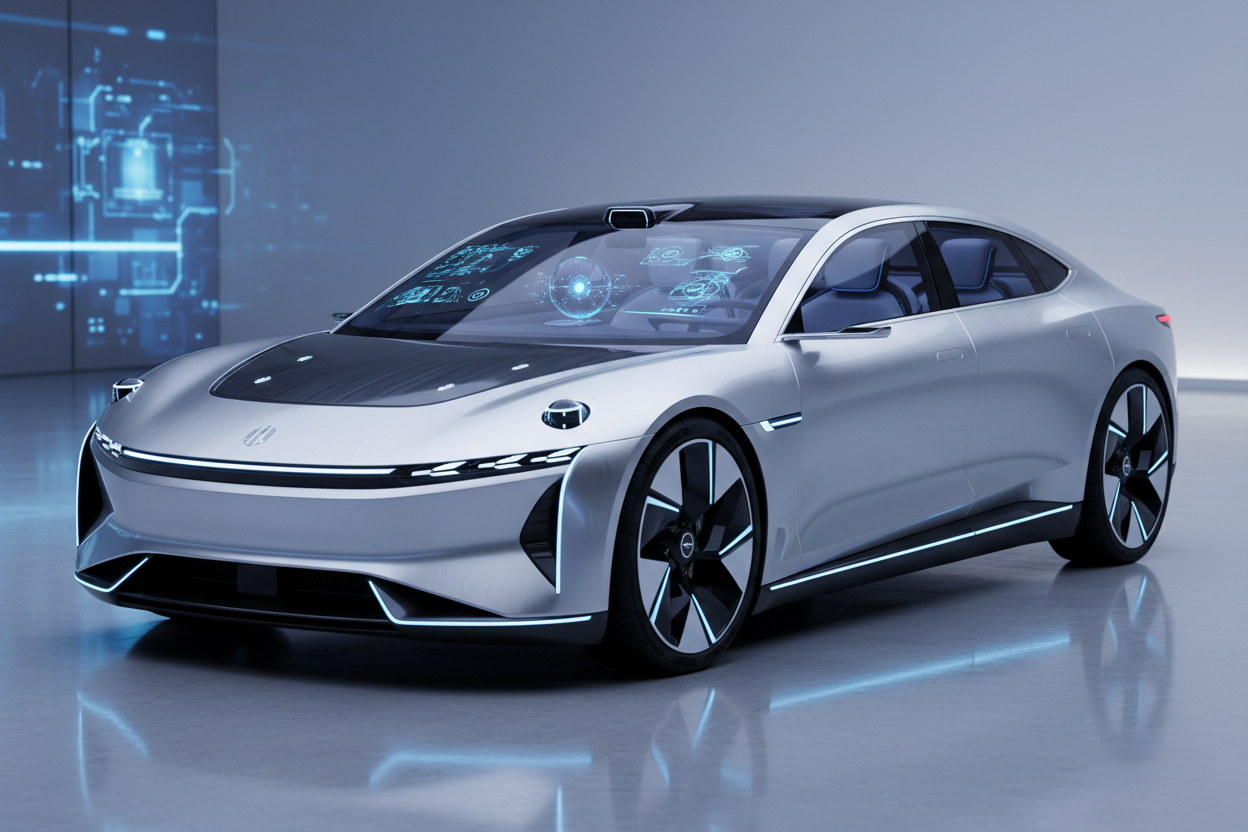
Technology is revolutionizing car design by integrating advanced materials, 3D printing, AI, and data analytics, leading to enhanced safety, user experience, and sustainability. Innovations like electric and autonomous vehicles are shaping the future, making cars not just vehicles, but connected ecosystems.
Table of Contents
- The Intersection of Technology and Automotive Design
- Advanced Materials in Car Manufacturing
- 3D Printing: A Game Changer
- The Power of Data in Car Design
- Predictive Analytics
- Real-time Feedback
- The Role of Artificial Intelligence in Design Innovation
- Enhanced Safety Features
- Intelligent Infotainment Systems
- Electric and Autonomous Vehicles: The Futuristic Frontier
- Redefining Performance with Electric Vehicles
- Autonomous Driving Technology
- Sustainable Design: Technology Meets Environmental Responsibility
- Eco-friendly Manufacturing Processes
- Integrated Renewable Energy Solutions
- The Integration of User-Centric Design
- Focus Groups and User Testing
- Interface Design
- The Future of Car Design is Bright
Key Takeaways
- Technology Integration: Modern car design is heavily influenced by advancements in technology, particularly in safety and entertainment systems.
- Advanced Materials: The use of lightweight materials like carbon fiber and aluminum enhances performance and fuel efficiency, crucial for electric and hybrid vehicles.
- 3D Printing Benefits: This technology allows for rapid prototyping, customization of parts, and reduced material waste in car manufacturing.
- Data Utilization: Big data analytics and machine learning are used to inform design choices based on consumer behavior and trends.
- AI in Safety: Artificial Intelligence enhances safety features through advanced driver-assistance systems, improving overall vehicle safety.
- Sustainable Practices: The automotive industry is adopting eco-friendly manufacturing processes and integrating renewable energy solutions to reduce environmental impact.
- User-Centric Design: Engaging with users through focus groups and testing enhances the functionality and aesthetics of modern vehicles.
Frequently Asked Questions
1. How has technology impacted modern car design?
2. What role do advanced materials play in car manufacturing?
3. How does 3D printing influence car design?
4. What is the significance of data in automotive design?
5. How is AI transforming modern car design?
In today's fast-paced world, technology has seamlessly woven itself into the fabric of modern car design. From safety features to entertainment systems, technological advancement has transformed how we perceive and interact with vehicles. For car enthusiasts, designers, and manufacturers alike, this relentless push toward innovation continues to redefine the automotive landscape. In this article, we’ll explore how technology impacts car design, shaping not only the vehicles of today but also the future of transportation.
The Intersection of Technology and Automotive Design
The automotive industry has always been at the forefront of technological innovation, embracing new tools and methodologies to improve design efficiency and vehicle performance. As electric and autonomous vehicles become more prevalent, integrating advanced technologies into car design has never been more crucial.
Advanced Materials in Car Manufacturing
One of the most significant advancements in car design is the development of advanced materials. Lightweight materials such as carbon fiber and aluminum not only improve fuel efficiency but also enhance performance. These materials are strong yet light, which is particularly beneficial for electric and hybrid vehicles. By reducing weight, manufacturers can achieve better energy efficiency and range, essential for meeting the demands of modern drivers.
3D Printing: A Game Changer
3D printing has revolutionized the way parts are designed and manufactured. This technology enables designers to create complex shapes and structures that were previously deemed impossible with traditional manufacturing methods. Here are some benefits of 3D printing in car design:
- Rapid Prototyping: Designers can create and test multiple iterations much faster than before, reducing the time it takes to move from concept to production.
- Customization: With 3D printing, manufacturers can easily customize car parts for specific consumer needs, enhancing user experience and satisfaction.
- Reduced Waste: By using only the necessary material for parts, 3D printing minimizes waste, contributing to more sustainable manufacturing practices.
The Power of Data in Car Design
In an age driven by data, automotive designers and engineers leverage vast amounts of information to enhance vehicle features and performance. With advancements in big data analytics and machine learning, car manufacturers analyze consumer behavior, traffic patterns, and even environmental conditions to inform design choices.
Predictive Analytics
Predictive analytics plays a crucial role in car design by forecasting future trends and consumer preferences. Automotive companies harness this data to develop features that appeal to their target demographics. For instance, understanding the surge in interest for electric vehicles allows manufacturers to prioritize electric drivetrain design in their upcoming models.
Real-time Feedback
With the integration of technology in vehicles, real-time feedback becomes a game changer. Cars equipped with connectivity solutions gather data from users, offering insights that inform future designs. This feedback loop allows brands to make quick and informed changes to improve safety, comfort, and performance.
The Role of Artificial Intelligence in Design Innovation
Artificial Intelligence (AI) is increasingly influencing the way cars are designed. From autonomous driving features to in-vehicle systems, AI contributes significantly to modern car design’s evolution. Here are a few key areas where AI plays a vital role:
Enhanced Safety Features
One prime application of AI in car design is enhancing safety features. Advanced driver-assistance systems (ADAS) utilize machine learning algorithms to predict and mitigate dangers on the road. Features such as automatic braking, lane-keeping assist, and adaptive cruise control rely on AI to function optimally, making vehicles safer for everyone.
Intelligent Infotainment Systems
Modern vehicles are also equipped with intelligent infotainment systems powered by AI. These systems can learn drivers’ preferences and adjust settings accordingly, creating a tailored driving experience. Think voice-activated controls, personalized playlists, and navigation systems that adapt based on user habits. Such innovations have made driving not just a task but a connected experience.
Electric and Autonomous Vehicles: The Futuristic Frontier
The future of car design is undoubtedly influenced by the rise of electric and autonomous vehicles. Technology plays an integral role in the development of these groundbreaking vehicles, guiding their design with sustainability and safety in mind.
Redefining Performance with Electric Vehicles
Electric vehicles (EVs) have become a focal point for modern car design. Unlike traditional combustion engines, EVs require careful consideration of battery placement, weight distribution, and aerodynamics. Engineers leverage technology to create a harmonious balance between design and functionality, paving the way for more efficient and elegant electric vehicles.
Autonomous Driving Technology
Autonomous driving technology is perhaps the most radical leap in car design. As self-driving capabilities become more sophisticated, designs must accommodate new sensors and control systems. This shift has led to rethinking interior layouts, incorporating spaciousness to maximize comfort during rides. The innovation stretches beyond aesthetics; it extends into safety standards, requiring designers to think deeply about passenger protection in emergencies.
Sustainable Design: Technology Meets Environmental Responsibility
As consumer awareness of environmental issues grows, the automotive industry is compelled to embrace sustainable design practices. Technology plays a critical role in making cars more eco-friendly, appealing to a conscious consumer base. Here’s how modern car design tackles sustainability:
Eco-friendly Manufacturing Processes
Technological advancements have contributed to more eco-friendly manufacturing processes. Techniques such as energy-efficient production methods and recycling of materials not only reduce costs but also minimize environmental impact. Manufacturers are increasingly adopting a circular economy approach, focusing on sustainability at every stage—from material sourcing to end-of-life vehicle recycling.
Integrated Renewable Energy Solutions
Integrating renewable energy solutions into car design is a noteworthy step toward sustainability. Solar panels embedded in vehicles or charging stations that run on renewable energy can reduce reliance on fossil fuels. Innovations like these not only reflect modern drivers’ values but also allow car makers to align their products with a more sustainable future.
The Integration of User-Centric Design
User-centric design is increasingly becoming a cornerstone of modern car design. Technology provides new avenues for enhancing the user experience, making it crucial to integrate feedback from actual users into the design process. Here’s what this entails:
Focus Groups and User Testing
Car manufacturers often conduct focus groups and user tests to gather insights about their designs. Engaging the target audience helps uncover preferences related to functionality, aesthetics, and technology features. By understanding the needs and desires of potential customers, designers can create vehicles that resonate better with their market.
Interface Design
The user interface (UI) of a vehicle is just as important as the car's physical design. Modern cars incorporate complex infotainment and control systems, making intuitive interfaces essential. Designers are leveraging technology to create interfaces that are easy to navigate, thereby enhancing the driving experience while keeping distractions at bay.
The Future of Car Design is Bright
As we look ahead, the role of technology in car design will only continue to grow. The advancements in materials, data analytics, AI, and sustainability practices are just the tip of the iceberg. With continuous innovation, the automotive industry is poised for a future filled with exciting possibilities. Whether it's improving safety features, enhancing user experience, or developing sustainable practices, technology is at the heart of it all.
This fascinating journey of technology in car design reflects not just a transition in engineering but a cultural shift towards a smarter, more connected world. The new cars of tomorrow will not only be vehicles; they will be mobile ecosystems, connecting us to the world in ways we are just beginning to fathom. Your journey in exploring the amazing advancements in car design has only just begun—let's buckle up and enjoy the ride!
Glossary
| Term | Meaning |
|---|---|
| Advanced Materials | Lightweight substances like carbon fiber improving vehicle efficiency. |
| 3D Printing | A manufacturing process creating parts layer by layer for customization. |
| Predictive Analytics | Data analysis forecasting trends to inform design choices. |
| Artificial Intelligence (AI) | Technology enhancing vehicle features like safety and infotainment. |
| Electric Vehicles (EVs) | Cars powered by batteries instead of traditional combustion engines. |
| Autonomous Driving | Self-driving technology enabling vehicles to operate without human input. |
| Sustainable Design | Eco-friendly practices in manufacturing and vehicle design. |
| User-Centric Design | Design approach focusing on enhancing the user experience. |
| Infotainment Systems | Integrated entertainment and information systems in vehicles. |