
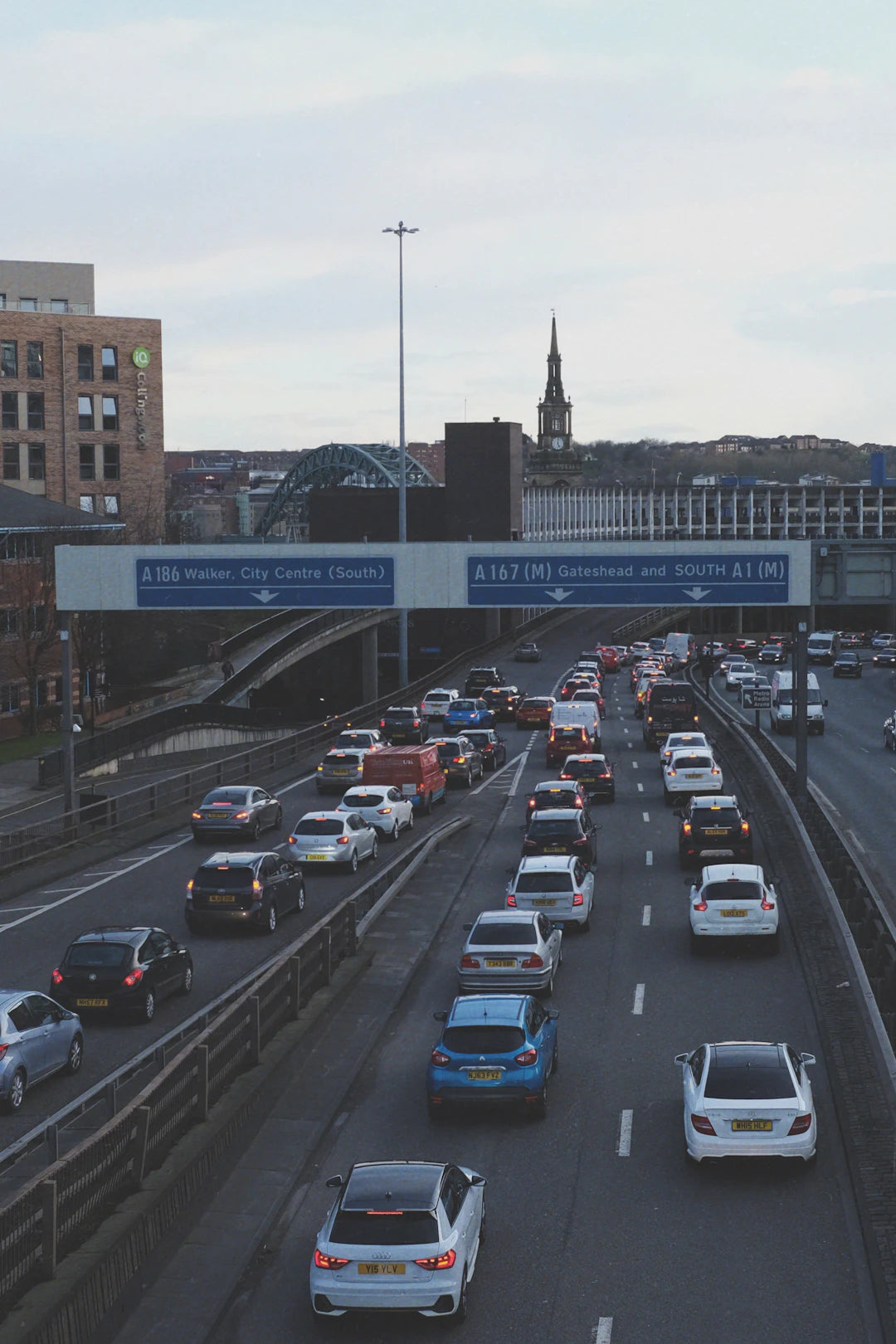
Overview
Ridesharing services like Uber and Lyft are transforming transportation by challenging traditional car ownership, offering cost-effective and convenient mobility solutions. This shift is influenced by urbanization, technology, and environmental considerations, leading to changes in consumer behavior. Ridesharing may complement public transit rather than replace it, prompting a reevaluation of personal transportation and the automotive industry. As society embraces these changes, the future of transportation is moving towards shared mobility solutions.
Table of Contents
- The Evolution of Ridesharing Services
- How Ridesharing Works
- Challenges to Traditional Car Ownership
- Cost-Effectiveness
- Urbanization and Lifestyle Changes
- The Influence of Technology
- Smartphone Applications
- Data-Driven Approaches
- Environmental Considerations
- Reducing Idle Time and Traffic Congestion
- The Future of Electric Vehicles
- The Impact on Public Transportation
- Complementing Public Transit
- Potential Disruptions
- Consumer Behavior Change
- Rethinking Car Ownership
- Sales of Cars
- Adapting to Change: The Future of Ridesharing and Car Ownership
- Smart Cities and Mobility Solutions
- Personal Mobility Culture
- Final Thoughts: Embracing the Future of Transportation
Key Takeaways
- Ridesharing services like Uber and Lyft have transformed mobility, prompting a reevaluation of car ownership.
- The convenience and affordability of ridesharing have led to a significant decline in traditional car ownership, especially among urban populations.
- Smartphone apps are critical to ridesharing's success, offering user-friendly access that traditional taxis struggle to match.
- Ridesharing can reduce traffic congestion and greenhouse gas emissions through ride pooling and the adoption of electric vehicles.
- Ridesharing may complement public transportation by filling service gaps but could also decrease public transit ridership.
- The rise of ridesharing encourages consumers to rethink the necessity of owning a car, potentially impacting automotive sales and marketing strategies.
- Future urban planning is likely to integrate ridesharing into broader transit solutions, fostering a cultural shift towards shared mobility.
In recent years, the transportation landscape has undergone a monumental shift with the emergence and proliferation of ridesharing services. Companies like Uber and Lyft have revolutionized the way people think about mobility, leading to a reevaluation of car ownership itself. The growth of these platforms raises important questions regarding their impact on traditional car ownership. In this article, we will explore how ridesharing is shaping public transportation perspectives, influencing consumer behavior, and redefining personal mobility.
The Evolution of Ridesharing Services
Ridesharing has gained immense popularity since its inception less than a decade ago. Initially starting as a peer-to-peer service, it has transformed into a significant industry with millions of users worldwide. The convenience, affordability, and accessibility of ridesharing platforms have attracted consumers, resulting in unprecedented growth.
How Ridesharing Works
The concept of ridesharing is simple yet revolutionary. Users download an app, input their location and destination, and within minutes, a nearby driver arrives to take them to their desired location. This streamlined process provides a level of convenience and efficiency that traditional modes of transportation, such as taxis or buses, often struggle to match.
Challenges to Traditional Car Ownership
As ridesharing becomes increasingly integrated into daily life, it raises several challenges to the traditional notion of car ownership.
Cost-Effectiveness
One primary advantage of ridesharing is the significant reduction in transportation costs. For many individuals, maintaining a car involves a myriad of expenses, including fuel, insurance, maintenance, and parking. With the availability of ridesharing services, users can opt for on-demand transportation without the financial burden of owning a vehicle.
Urbanization and Lifestyle Changes
With cities expanding and populations growing, urban living has encouraged fewer individuals to own cars. The younger generation, in particular, prefers urban lifestyles that embrace public transit, biking, and, most notably, ridesharing. This shift in lifestyle priorities is a direct contributing factor to the declining car ownership rates in metropolitan areas.
The Influence of Technology
Technology has played a pivotal role in the growth of the ridesharing industry. As smartphone usage becomes ubiquitous, consumers increasingly rely on mobile apps for their transportation needs.
Smartphone Applications
Ridesharing apps are user-friendly and straightforward, allowing even the least tech-savvy individuals to access services with ease. This technological integration has made traditional taxis appear cumbersome in comparison, driving users toward rideshare alternatives.
Data-Driven Approaches
Ridesharing companies have also embraced data analysis to enhance their services. By utilizing algorithms and user feedback, they identify peak demand times, adjust pricing, and improve customer experiences, further reinforcing their position in the market. The application of this technology represents an evolution in how transportation services are managed.
Environmental Considerations
As global awareness around climate change and sustainability increases, ridesharing presents interesting implications for urban environments.
Reducing Idle Time and Traffic Congestion
The pooling aspect of many rideshare platforms allows multiple users to share a ride in a single vehicle, effectively reducing the number of cars on the road. This approach significantly cuts down on traffic congestion and can lower greenhouse gas emissions. In densely populated areas, strategy-based ridesharing could lead to a more sustainable urban ecosystem.
The Future of Electric Vehicles
Many ridesharing companies are also beginning to incorporate electric and hybrid vehicles into their fleets, a move that complements broader environmental initiatives. As the demand for eco-friendly transportation options grows, the transition towards cleaner vehicles will likely continue to shape the ridesharing landscape and its role in fostering sustainable urban growth.
The Impact on Public Transportation
With ridesharing services pulling riders away from traditional public transportation, it raises important questions about the role of public transit systems in the future.
Complementing Public Transit
Rather than outright replacing public transport, ridesharing may serve as a complementary service. Rideshare options can effectively bridge the gaps in public transit coverage, providing a means for individuals to reach transit stations or access neighborhoods that would otherwise be underserved.
Potential Disruptions
Conversely, the convenience of ridesharing may discourage some people from using public transport altogether, leading to potential declines in ridership and revenue for transit agencies. These shifts in travel habits may prompt transportation authorities to rethink their service models and funding allocations.
Consumer Behavior Change
The rise of ridesharing has not only changed how people view transportation but also influenced consumer behavior in a broader context. Let's take a look at some transformative elements:
Rethinking Car Ownership
The availability of ridesharing options encourages consumers to question the necessity of owning a vehicle. More individuals are considering whether the benefits of car ownership outweigh the expenses and responsibilities involved. This trend signals a significant philosophical shift in how society perceives personal transportation.
Sales of Cars
If ridesharing continues to grow, it is likely to impact the automotive industry in profound ways. Automakers may need to reconsider their marketing strategies and focus more on features that appeal to a ridesharing, tech-savvy demographic. Additionally, there may be a rise in demand for more efficient and compact vehicles that serve rideshare drivers.
Adapting to Change: The Future of Ridesharing and Car Ownership
The future of transportation is dynamic, and the impact of ridesharing on car ownership will likely continue to evolve. As urban planning incorporates ridesharing into transportation networks, the car ownership model will adapt alongside it.
Smart Cities and Mobility Solutions
Innovative urban designs are emerging, focusing on the integration of ridesharing services into broader transit solutions. By developing smart cities with interconnected mobility services, transportation authorities aim to improve the overall efficiency of urban travel, influencing how residents approach car ownership.
Personal Mobility Culture
As the perception of car ownership continues to shift, new social norms will form around ridesharing and shared mobility. Consumers will increasingly embrace collective transportation methods, leading to a cultural pivot towards experiences over possessions.
Final Thoughts: Embracing the Future of Transportation
The growth of ridesharing is a testament to society's evolving approach to transportation. By challenging traditional notions of car ownership, ridesharing services produce significant economic, environmental, and cultural shifts. As we embark on this journey, it is essential to embrace these changes and consider how we can integrate ridesharing into our lives and cities effectively. The future of transportation lies not only in individual cars but in a more connected, efficient, and shared approach to mobility.
Frequently Asked Questions
1. What are ridesharing services?
2. How has ridesharing affected car ownership?
3. What impact does ridesharing have on public transportation?
4. How does technology influence ridesharing?
5. What are the environmental benefits of ridesharing?
Glossary
| Term | Meaning |
|---|---|
| Ridesharing | A service that allows users to share rides with others via an app. |
| Mobility | The ability to move freely and easily from one place to another. |
| Car Ownership | The state of having personal possession of a vehicle. |
| Smartphone Applications | Mobile apps designed to facilitate ridesharing services. |
| Urbanization | The increasing population and development of urban areas. |
| Environmental Considerations | Factors related to the impact on the environment, such as emissions. |
| Traffic Congestion | The overcrowding of vehicles on roadways, leading to delays. |
| Consumer Behavior | The study of how individuals make decisions about purchasing. |
| Public Transit | Transportation services available to the general public, like buses and trains. |
| Smart Cities | Urban areas that use technology to improve services and quality of life. |