
Overview
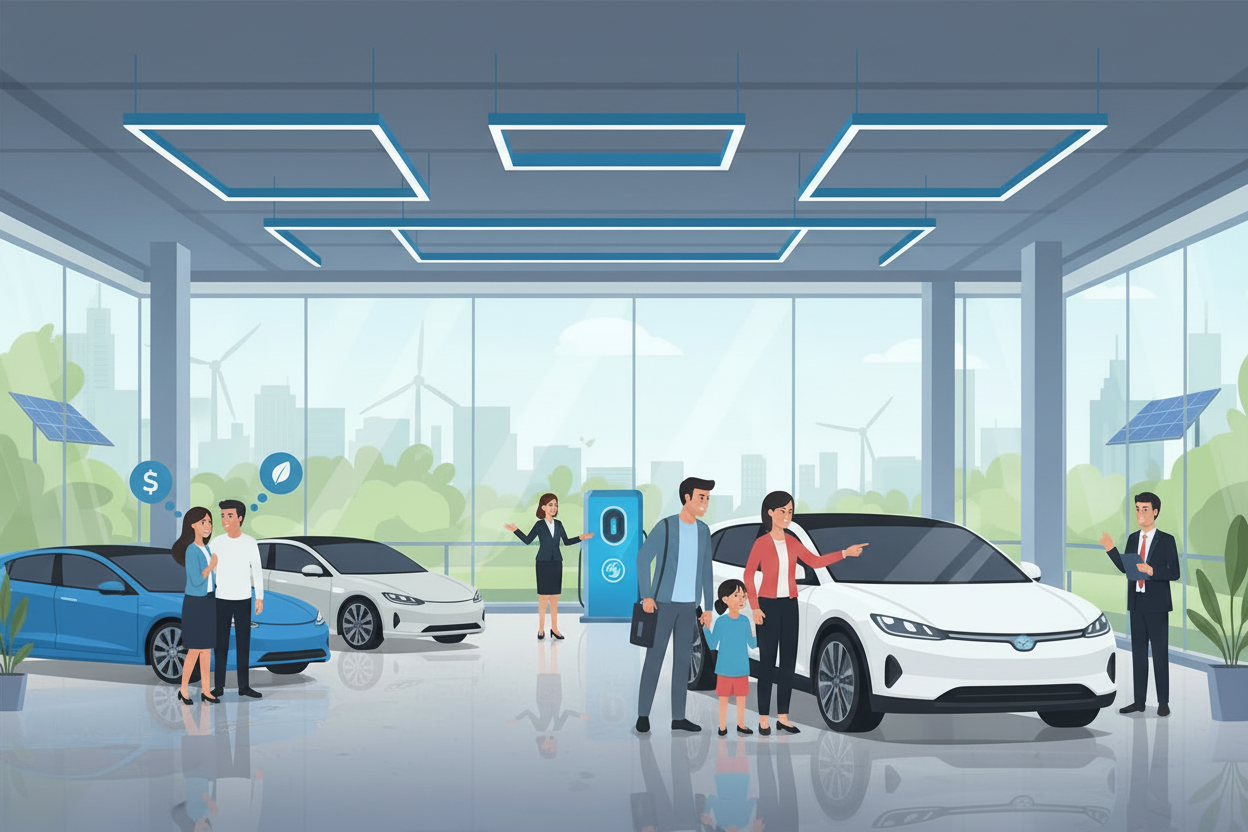
Understanding consumer behavior is crucial as the automotive industry shifts towards electric vehicles (EVs). Key factors influencing EV adoption include eco-consciousness, government incentives, and cost considerations. Younger, tech-savvy consumers are leading the charge, while barriers like charging infrastructure and performance concerns remain. Businesses must leverage targeted marketing, community engagement, and innovation to attract buyers and foster sustainability. The future of the EV market looks promising for companies that adapt to changing consumer needs and promote environmentally friendly practices.
Table of Contents
- The Shift Towards Electric Vehicles
- Eco-Consciousness and Environmental Impact
- Government Incentives and Regulations
- Cost Considerations and Total Ownership Costs
- Understanding the Buyer Demographics
- Age and Technology Affinity
- Income Levels and Purchasing Power
- What Influences the Buying Decision?
- Peer Reviews and Social Influence
- Marketing Strategies and Awareness Campaigns
- Barriers to Electric Vehicle Adoption
- Charging Infrastructure
- Performance and Range Limitations
- The Role of Innovation in Consumer Acceptance
- Advanced Features and Connectivity
- Sustainability Initiatives
- Turning Insights Into Action
- Personalized Marketing Strategies
- Community Engagement and Partnerships
- Expectations for the Future
- Anticipating Consumer Needs
- Fostering a Sustainable Future
Key Takeaways
- Consumer Awareness: Growing eco-consciousness is driving interest in electric vehicles as consumers seek cleaner alternatives to traditional cars.
- Government Incentives: Tax breaks and rebates are encouraging consumers to consider electric vehicles, aided by stricter emission regulations.
- Total Cost of Ownership: Long-term savings on maintenance and fuel are making electric vehicles more appealing despite higher initial costs.
- Demographic Insights: Younger generations, especially Millennials and Gen Z, are more likely to adopt electric vehicles due to their affinity for technology and sustainability.
- Social Influence: Peer reviews and social media significantly impact consumer decisions, emphasizing the need for businesses to manage their online reputation.
- Charging Infrastructure: Concerns about charging station availability and range anxiety remain significant barriers to electric vehicle adoption.
- Innovation and Features: Advanced features and connectivity options are increasingly influencing consumer buying decisions, highlighting the importance of showcasing technological advancements.
Frequently Asked Questions
1. What are the primary factors driving the shift towards electric vehicles?
2. How do demographics influence electric vehicle adoption?
3. What role does marketing play in consumer decisions regarding electric vehicles?
4. What are some barriers to electric vehicle adoption?
5. How can businesses leverage consumer insights to enhance their electric vehicle marketing strategies?
As we navigate through a transformative era for the automotive industry, nothing is more pivotal than understanding consumer behavior, particularly in the realm of electric vehicles (EVs). The rise of electric cars signifies not only a technological advancement but also a fundamental shift in how consumers perceive automobile ownership, sustainability, and their own roles in combating climate change. With the increasing popularity of EVs, car dealers, manufacturers, and service providers must delve deeper into these emerging patterns of consumer behavior to better serve their clientele. In this blog, we will analyze the factors influencing consumer choices concerning electric cars, the barriers they face, and strategies that businesses can adopt to attract buyers in this booming market.
The Shift Towards Electric Vehicles
The transition from traditional gasoline-powered vehicles to electric cars is not just a passing trend but a movement driven by various factors.
Eco-Consciousness and Environmental Impact
One of the most significant catalysts for change is the growing awareness of environmental issues. Consumers are increasingly concerned about carbon emissions, pollution, and their personal impact on global warming. As various studies show, many potential buyers view electric vehicles as cleaner alternatives, allowing them to contribute positively to the environment. This surge in eco-conscious consumerism is likely to elevate the EV market even further.
Government Incentives and Regulations
In many countries, government incentives and stricter regulations on carbon emissions have amplified consumer interest in electric cars. From tax breaks to rebates, these incentives are designed to make it easier for consumers to switch to more sustainable options. Policies mandating lower emissions and government-funded initiatives toward EV infrastructure play a consequential role in motivating potential buyers.
Cost Considerations and Total Ownership Costs
While the initial cost of electric vehicles can be a deterrent, evolving economic factors are leading consumers to reassess the long-term value of EVs. The total cost of ownership, which includes maintenance, fuel savings, and resale value, can often tip in favor of electric cars, particularly as battery technology improves and charging infrastructure expands.
Understanding the Buyer Demographics
Consumer demographics play a significant role in EV adoption rates. Understanding who is likely to buy electric cars is essential for businesses looking to target their marketing efforts effectively.
Age and Technology Affinity
Younger generations, particularly Millennials and Generation Z, are generally more open to technological advancements and more likely to embrace electric vehicles. They value sustainability and are less attached to traditional car ownership models. Companies targeting this demographic need to tailor their marketing strategies to resonate with their values, including promoting innovations and highlighting zero-emission benefits.
Income Levels and Purchasing Power
Income levels also significantly influence the consumer choice of electric vehicles. A higher initial cost can be a barrier for lower-income consumers, while those with disposable income are more likely to choose electric vehicles. Businesses should consider offering financing options or cooperative plans that make electric cars more accessible to a broader audience.
What Influences the Buying Decision?
The decision-making process for consumers when purchasing electric vehicles is multi-faceted, influenced by various external and internal factors.
Peer Reviews and Social Influence
In an age dominated by social media and online reviews, consumers often seek validation from their peers before making such substantial financial commitments. Word of mouth, online reviews, and social media presence can significantly impact consumer attitudes toward electric vehicles, making it imperative for businesses to actively manage their online reputation.
Marketing Strategies and Awareness Campaigns
Effective marketing plays a crucial role in shaping consumer perceptions and driving sales. Awareness campaigns that highlight the benefits of electric cars—such as lower fuel and maintenance costs, tax incentives, and environmentally friendly technologies—can sway even the most skeptical consumers. Infographics, webinars, and social media content can all be effective mediums to convey this information.
Barriers to Electric Vehicle Adoption
While there is an undeniable upward trend in interest toward electric vehicles, several inhibitors exist that may stall progress.
Charging Infrastructure
A primary concern among potential electric vehicle buyers is the availability and accessibility of charging stations. Consumers worry about “range anxiety”—the fear of running out of power without the ability to recharge. Businesses can help alleviate these concerns by championing the expansion of charging infrastructure and promoting local charging solutions.
Performance and Range Limitations
Although technology has improved drastically, some consumers still consider the average range of electric vehicles as insufficient for long road trips or daily commutes. Educating potential buyers about advancements in battery technology and available charging networks can address these concerns. Moreover, businesses should highlight the positive experiences of current electric car owners to bridge the information gap.
The Role of Innovation in Consumer Acceptance
Embracing innovation has become crucial in the context of electric vehicles. Businesses that demonstrate a commitment to innovation can build trust and attract a more sophisticated consumer base.
Advanced Features and Connectivity
Today's consumers expect more than just transportation from their vehicles. Features such as advanced driver-assistance systems (ADAS), connectivity options, and integration with smart technologies capture consumer interest and can heavily influence buying decisions. By showcasing these tech-savvy features, businesses can position themselves as forward-thinking and maximize appeal.
Sustainability Initiatives
As more consumers become environmentally conscious, businesses should consider adopting sustainable practices in their operations. From eco-friendly production processes to corporate social responsibility initiatives, demonstrating a commitment to sustainability can elevate a brand's reputation and encourage consumer loyalty.
Turning Insights Into Action
Understanding these various consumer behaviors enables businesses to build stronger relationships with current and potential customers. Here’s how businesses can leverage these insights.
Personalized Marketing Strategies
Targeted marketing approaches tailored to specific demographics can yield better engagement rates. By utilizing data analytics and consumer insights, businesses can personalize email campaigns and advertisements to speak directly to their target audience's preferences and behaviors.
Community Engagement and Partnerships
Engaging with the community and forming partnerships can greatly enhance brand visibility and image. Collaborating with local environmental organizations or conducting electric car awareness days can help strengthen connections with potential customers and foster a sense of community around sustainability efforts.
Expectations for the Future
The electric vehicle market is projected to continue its growth trajectory over the coming years. Companies that remain proactive and adapt to changing consumer behavior are likely to thrive in this evolving landscape.
Anticipating Consumer Needs
As consumer preferences shift towards a more sustainable and tech-focused approach, businesses must constantly anticipate and adapt to these changes. This proactive stance not only builds brand loyalty but also positions businesses at the forefront of evolving market trends.
Fostering a Sustainable Future
Ultimately, the continued popularity of electric vehicles hinges on consumers' understanding and acceptance. While advancements in technology and infrastructure are crucial, it is equally essential for businesses to promote a collective vision of sustainability. This creates a win-win scenario, where consumers feel empowered to make environmentally friendly choices while businesses thrive in an increasingly competitive market.
As we drive toward an electrifying future, embracing empathy and understanding consumer behavior will be the key to unlocking a prosperous and sustainable era for both businesses and consumers alike.
Glossary
| Term | Meaning |
|---|---|
| Electric Vehicles (EVs) | Cars powered by electricity instead of gasoline. |
| Eco-Consciousness | A growing awareness of environmental issues and sustainability. |
| Government Incentives | Financial benefits provided by the government to encourage EV adoption. |
| Total Cost of Ownership | The overall cost of owning a vehicle, including purchase, maintenance, and fuel. |
| Range Anxiety | The fear of running out of battery power without a charging station nearby. |
| Advanced Driver-Assistance Systems (ADAS) | Technologies that enhance vehicle safety and driving convenience. |
| Sustainability Initiatives | Efforts by businesses to operate in an environmentally friendly manner. |
| Consumer Demographics | Characteristics of consumers that influence their buying behaviors. |
| Marketing Strategies | Tactics used to promote products and influence consumer decisions. |
| Charging Infrastructure | The network of charging stations available for electric vehicles. |