
Overview
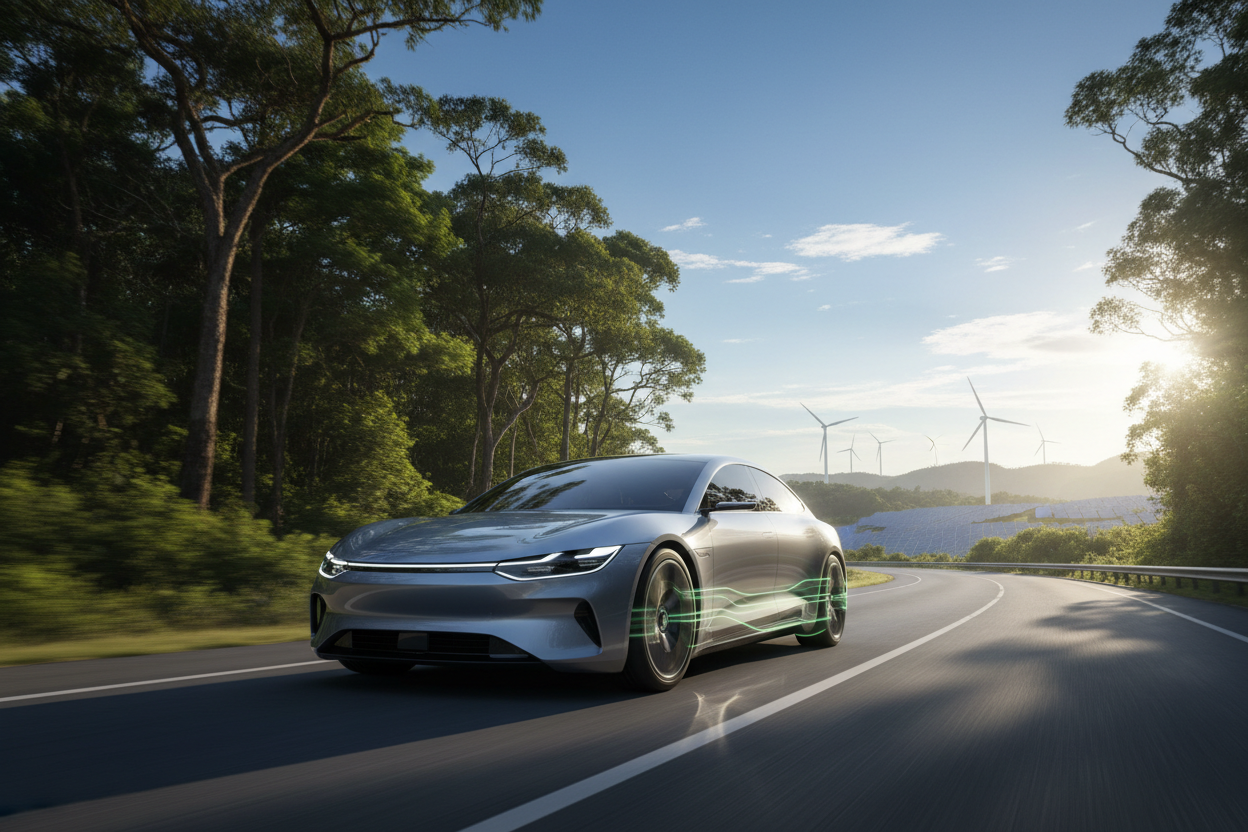
The automotive industry is shifting towards eco-friendly car technology in response to environmental concerns. Key trends include the rise of electric vehicles (EVs), hybrids, and hydrogen fuel cell vehicles, which offer benefits like reduced emissions and lower operating costs. Innovations such as advanced battery technology, autonomous driving, and 3D printing are enhancing the sustainability of vehicles. Government incentives and stricter emission regulations are encouraging adoption, though challenges like infrastructure limitations and initial costs remain. The future looks promising with increased integration of renewable energy and innovative designs. Join the eco-friendly revolution for a greener planet!
Table of Contents
- The Rise of Eco-Friendly Cars
- Electric Vehicles (EVs)
- Hybrid Vehicles
- Hydrogen Fuel Cell Vehicles
- Technological Innovations Driving Eco-Friendly Cars
- Battery Technology Advancements
- Autonomous Driving and Eco-Friendly Systems
- 3D Printing and Manufacturing Innovations
- Government Policies and Initiatives Encouraging Eco-Friendly Cars
- Incentives for Consumers
- Emission Regulations
- Consumer Perspectives on Eco-Friendly Cars
- A Growing Awareness of Climate Change
- The Appeal of Smart Technology
- Challenges Facing the Adoption of Eco-Friendly Car Technology
- Infrastructure Limitations
- Initial Costs
- Consumer Misconceptions
- Looking Ahead: The Future of Eco-Friendly Car Technology
- Increased Integration of Renewable Energy Sources
- Broader Adoption of Autonomous Driving
- Innovative Materials and Designs
- Join the Eco-Friendly Revolution
Key Takeaways
- Growing Consumer Demand: There is an increasing shift towards eco-friendly vehicles, including electric, hybrid, and hydrogen fuel cell cars, driven by environmental concerns.
- Electric Vehicles (EVs): EVs offer zero tailpipe emissions, lower operating costs, and can be powered by renewable energy, making them a leading choice in eco-friendly technology.
- Hybrid Vehicles: Combining gasoline and electric power, hybrids provide better fuel efficiency and reduced emissions, appealing to consumers concerned about range anxiety.
- Hydrogen Fuel Cell Vehicles: FCVs have long driving ranges and quick refueling times, presenting a viable alternative to both EVs and hybrids.
- Technological Innovations: Advancements in battery technology, autonomous driving, and 3D printing are enhancing the performance and sustainability of eco-friendly cars.
- Government Incentives: Various subsidies and tax incentives are encouraging the adoption of eco-friendly vehicles, making them more accessible to consumers.
- Future Outlook: The integration of renewable energy sources and innovative materials is expected to further enhance the sustainability and efficiency of eco-friendly car technology.
As the world grapples with environmental crises, the automotive industry is undergoing a significant transformation. Eco-friendly car technology stands at the forefront of this revolution, promising sustainable alternatives to traditional gasoline-powered vehicles. In this blog post, we will explore the current trends, innovations, and future possibilities of eco-friendly car technology, giving you a comprehensive understanding of how it could shape our roads in the years to come.
The Rise of Eco-Friendly Cars
With growing concerns about air pollution and climate change, consumers are increasingly seeking vehicles that minimize their environmental impact. Eco-friendly cars, including electric vehicles (EVs), hybrids, and hydrogen fuel cell cars, are gaining popularity. This shift is not merely a trend; it's a reflection of a broader awareness that our choices significantly affect the planet.
Electric Vehicles (EVs)
Electric vehicles are leading the charge in eco-friendly car technology. Instead of burning fossil fuels, EVs run on electricity stored in batteries. Here are some key advantages:
- Zero Tailpipe Emissions: EVs produce no harmful emissions during operation, significantly reducing air pollution.
- Lower Operating Costs: Electricity is generally cheaper than gasoline, and EVs have fewer moving parts, which can lead to lower maintenance costs.
- Renewable Energy Integration: EVs can be charged using renewable energy sources, further reducing their carbon footprint.
Hybrid Vehicles
Hybrid vehicles combine traditional internal combustion engines with electric propulsion. They aim to deliver better fuel efficiency while reducing emissions. Some benefits of hybrids include:
- Fuel Efficiency: Hybrids often achieve better miles per gallon than traditional vehicles, making them a cost-effective choice for consumers.
- Reduced Emissions: By utilizing both gasoline and electric power, hybrids generate fewer pollutants than conventional cars.
- Less Range Anxiety: With an internal combustion engine as a backup, drivers don’t have to worry as much about running out of battery power.
Hydrogen Fuel Cell Vehicles
Hydrogen fuel cell vehicles (FCVs) use hydrogen and oxygen to produce electricity, with water as the only byproduct. This technology is gaining traction as a potential alternative to both EVs and hybrids. Key features include:
- Long Driving Range: FCVs can typically travel further on a single tank of hydrogen than many EVs on a full charge.
- Rapid Refueling: Filling up a hydrogen tank takes about the same time as refueling a gasoline vehicle.
- Sustainability: If produced sustainably, hydrogen fuel can significantly reduce greenhouse gas emissions.
Technological Innovations Driving Eco-Friendly Cars
As eco-friendly vehicles become more common, the technology supporting them continues to evolve rapidly. Here are some key innovations paving the way for a sustainable automotive future:
Battery Technology Advancements
The efficiency, cost, and lifespan of batteries significantly affect the performance of electric and hybrid vehicles. Recent advancements include:
- Solid-State Batteries: These promise higher energy density and faster charging times than traditional lithium-ion batteries, making EVs more practical.
- Recycling Initiatives: Efforts are underway to recycle and reuse old batteries, reducing waste and environmental impact.
- Range Improvement: Enhanced battery technology is leading to longer driving ranges, alleviating range anxiety for potential EV buyers.
Autonomous Driving and Eco-Friendly Systems
Autonomous driving technology not only enhances safety but can also optimize driving patterns to improve energy efficiency. Here are some highlights:
- Smart Navigation: AI parking and navigation systems can guide drivers to the most efficient routes, reducing fuel consumption.
- Cruise Control Efficiency: Advanced cruise control systems can manage speed and acceleration in a way that maximizes fuel efficiency.
- Vehicle-to-Grid Communication: Future EVs may export energy back to the grid when not in use, promoting renewable energy use.
3D Printing and Manufacturing Innovations
The automotive manufacturing landscape is also evolving through innovations like 3D printing, which can lead to:
- Reduced Material Waste: 3D printing allows for precise production, using only the material needed for each part.
- Customization: Manufacturers can easily tailor vehicles for specific customer needs, enhancing the appeal of eco-friendly vehicles.
- Cost-Effective Prototyping: Faster prototyping with 3D printing encourages more innovation and shorter time-to-market for eco-friendly technologies.
Government Policies and Initiatives Encouraging Eco-Friendly Cars
Government policies play a crucial role in shaping the transition to eco-friendly vehicles. Various subsidies, tax incentives, and regulations are helping to boost adoption rates.
Incentives for Consumers
Many governments worldwide offer incentives to encourage the purchase of eco-friendly vehicles:
- Tax Credits: Tax reductions or credits can significantly lower the purchase price of electric and hybrid vehicles.
- Grants for Public Charging Stations: Incentives to install EV charging stations make owning an electric vehicle more appealing.
- Reduced Registration Fees: Some regions offer lower registration fees for eco-friendly vehicles, making them more attractive to consumers.
Emission Regulations
Stricter emission regulations are compelling manufacturers to innovate and produce vehicles with lower emissions. This encourages a more rapid shift towards eco-friendly technologies, as companies work to comply with legal requirements.
Consumer Perspectives on Eco-Friendly Cars
As consumers become more environmentally conscious, their perceptions of eco-friendly vehicles are changing. Research indicates that more buyers prioritize sustainability in their vehicle purchases. Here are some compelling factors driving consumer interest:
A Growing Awareness of Climate Change
Many consumers now understand the direct link between transportation and climate change, pushing them toward greener alternatives. This trend signifies a shift from traditional purchase motivations (like price and performance) to ethics and sustainability.
The Appeal of Smart Technology
Younger generations, in particular, are attracted to the smart technologies integrated into many eco-friendly vehicles. Features like apps to monitor fuel consumption, advanced safety systems, and vehicle-to-grid capabilities resonate with tech-savvy consumers.
Challenges Facing the Adoption of Eco-Friendly Car Technology
Despite the numerous benefits, several challenges persist in the widespread adoption of eco-friendly car technology:
Infrastructure Limitations
To support the growth of electric vehicles and hybrids, charging stations need to be more widely available, especially in rural areas. Developing charging infrastructure is crucial for eliminating range anxiety and encouraging consumers to make the switch.
Initial Costs
While the long-term savings of eco-friendly vehicles are substantial, their initial purchase price can be a barrier for many consumers. Despite government incentives, some buyers may still find electrified vehicles prohibitively expensive.
Consumer Misconceptions
Many consumers still harbor misconceptions about eco-friendly vehicles, such as doubts regarding their performance and reliability. Education and awareness campaigns play a vital role in overcoming these misunderstandings.
Looking Ahead: The Future of Eco-Friendly Car Technology
The trajectory of eco-friendly car technology is optimistic, with continued advancements expected in the coming years. Here’s an exciting look at what the future may hold:
Increased Integration of Renewable Energy Sources
As the renewable energy sector expands, expect to see more EVs charged with wind, solar, and other sustainable sources. This will significantly enhance the eco-friendliness of electric vehicles, reducing reliance on fossil fuels even further.
Broader Adoption of Autonomous Driving
The future is likely to see greater integration of autonomous features in eco-friendly vehicles, enhancing efficiency and safety. This technology could help drivers optimize energy consumption, making these cars even greener.
Innovative Materials and Designs
Manufacturers are continuously exploring innovative materials and designs that reduce vehicle weight, enhance performance, and increase fuel efficiency. Expect to see lighter, more aerodynamic vehicles on the road that maximize energy use.
Join the Eco-Friendly Revolution
The future of eco-friendly car technology is bright and full of potential. As consumers and manufacturers alike embrace sustainable practices, we can collectively steer towards a greener planet. By making informed choices about our vehicles, we enrich our lives while protecting our environment. Whether you’re in the market for a new car or just interested in the exciting advancements in automotive technology, you’re part of this revolutionary movement towards sustainability. Join the eco-friendly revolution today!
Frequently Asked Questions
1. What are eco-friendly cars?
2. What are the advantages of electric vehicles (EVs)?
3. How do hybrid vehicles reduce emissions?
4. What innovations are driving the development of eco-friendly cars?
5. What challenges do eco-friendly cars face in gaining adoption?
Glossary
| Term | Meaning |
|---|---|
| Eco-Friendly Cars | Vehicles designed to minimize environmental impact. |
| Electric Vehicles (EVs) | Cars powered by electricity stored in batteries, producing zero emissions. |
| Hybrid Vehicles | Cars that use both gasoline and electric power for improved efficiency. |
| Hydrogen Fuel Cell Vehicles | Vehicles that generate electricity from hydrogen, emitting only water. |
| Battery Technology | Advancements in batteries that enhance performance and efficiency of electric cars. |
| Range Anxiety | The fear of running out of battery power before reaching a charging station. |
| Smart Navigation | AI systems that optimize driving routes for better energy efficiency. |
| Tax Credits | Financial incentives that reduce the cost of purchasing eco-friendly vehicles. |
| Emission Regulations | Government rules aimed at reducing vehicle emissions and promoting cleaner technologies. |
| Renewable Energy Integration | Using sustainable energy sources to charge electric vehicles. |