
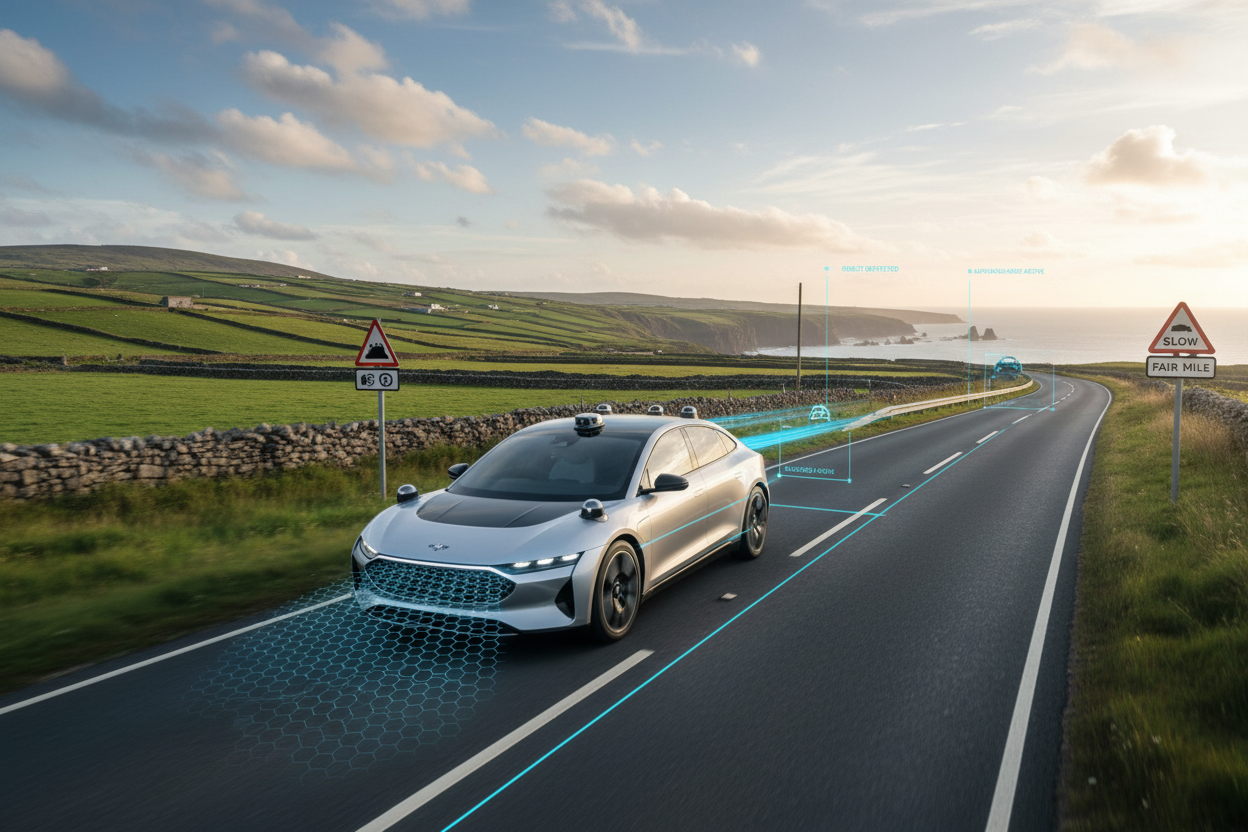
Overview
The autonomous driving market is evolving rapidly, driven by technological advancements and presenting both challenges and opportunities. Key aspects include understanding the levels of automation, addressing regulatory and technological hurdles, and leveraging innovations and partnerships. Businesses must adapt to new models like Mobility as a Service and focus on educating the public to ensure acceptance. The future of transportation hinges on collaboration and innovation in this exciting landscape.
Table of Contents
- Understanding Autonomous Driving Technology
- Levels of Driving Automation
- Challenges Facing Autonomous Driving
- Regulatory and Legal Frameworks
- Technological Roadblocks
- Public Perception
- Seizing the Opportunities
- Innovation in Technology
- Partnerships and Collaboration
- New Business Models
- The Path Forward
Key Takeaways
- Understanding Levels of Automation: Familiarize yourself with the six levels of driving automation, from Level 0 (no automation) to Level 5 (full automation), to better assess market developments.
- Regulatory Challenges: The regulatory framework for autonomous vehicles is still developing, posing significant challenges for manufacturers regarding liability and safety standards.
- Technological Hurdles: Key technological challenges include sensor limitations in adverse weather, data security concerns, and the complexity of decision-making algorithms.
- Public Perception Issues: Addressing public skepticism about safety and job displacement is crucial for the acceptance and adoption of autonomous vehicles.
- Opportunities for Innovation: The evolving landscape presents opportunities for companies to innovate in AI, sensor technology, and cybersecurity for autonomous driving.
- New Business Models: Expect transformation in automotive business models, including Mobility as a Service (MaaS), subscription services, and data monetization strategies.
- Importance of Collaboration: Partnerships among automakers, tech firms, and regulators are essential to share risks, improve testing, and expand market reach.
Frequently Asked Questions
1. What is autonomous driving technology?
2. What are the different levels of driving automation?
3. What challenges does the autonomous driving market face?
4. What opportunities exist in the autonomous driving market?
5. How can businesses prepare for the autonomous driving market?
The autonomous driving market is rapidly evolving, with technological advancements leading the charge toward a future where self-driving vehicles could become commonplace. As we delve into the challenges and opportunities present in this burgeoning industry, it’s crucial to understand not only the potential impact on society but also how businesses can leverage these changes. Whether you're an enthusiast or a potential investor, there is much to explore in the world of autonomous driving.
Understanding Autonomous Driving Technology
At its core, autonomous driving technology involves vehicles that are capable of navigating and operating without human intervention. These vehicles utilize a combination of various sensors, cameras, and artificial intelligence (AI) to perceive their environment and make decisions accordingly. The technology can be categorized into different levels based on how much automation is present:
Levels of Driving Automation
- Level 0: No automation - Human drivers are fully in control.
- Level 1: Driver assistance - Features like adaptive cruise control.
- Level 2: Partial automation - Vehicles can control steering and acceleration.
- Level 3: Conditional automation - Vehicles can handle most driving tasks but require human intervention in specific situations.
- Level 4: High automation - Vehicles can operate independently in certain conditions.
- Level 5: Full automation - No human input needed whatsoever.
Understanding these levels is essential when analyzing the market, as they dictate the progression of technology and regulatory frameworks that surround autonomous vehicles.
Challenges Facing Autonomous Driving
As promising as the autonomous driving market may seem, several challenges must be addressed for it to thrive. Below are some of the most significant hurdles that companies face:
Regulatory and Legal Frameworks
The regulatory landscape for autonomous vehicles is still largely undefined. Governments around the world are grappling with how to regulate self-driving cars adequately. Key questions include:
- Who is liable in the event of an accident - the manufacturer, software developer, or driver?
- What standards must these vehicles meet to be considered safe for public roads?
- How can regulations adapt to the rapid pace of technological advancement?
These uncertainties can delay the deployment of autonomous vehicles and create a challenging environment for startups and established players alike.
Technological Roadblocks
While advancements in AI and machine learning have propelled the field forward, challenges still remain. Some of these include:
- Sensor Limitations: Current sensor technologies, such as Lidar and radar, have limitations in various environmental conditions, such as heavy rain and fog.
- Data Security: The reliance on cloud-based services raises concerns about hacking and data breaches, making consumer trust crucial.
- Decision-Making Algorithms: Creating algorithms that can make complex ethical decisions in real-time scenarios remains a significant challenge.
Public Perception
The public’s perception of autonomous vehicles is another hurdle the market faces. While some consumers are optimistic about the benefits of driverless cars, others remain skeptical due to:
- Concerns about safety, especially following high-profile accidents involving autonomous technology.
- Fear of job losses in driving-related industries, such as trucking and taxi services.
- Lack of understanding about how technology works.
Educating the public and addressing misconceptions will be essential for widespread acceptance.
Seizing the Opportunities
Despite the challenges, opportunities in the autonomous driving market are abundant. By understanding these prospects, businesses and entrepreneurs can better position themselves in this evolving landscape.
Innovation in Technology
The continuous evolution of AI and machine learning offers tremendous opportunities for innovation in the autonomous driving space. Startups and established companies can:
- Develop advanced algorithms that enhance vehicle perception and decision-making.
- Create new sensor technologies that improve reliability and cost-efficiency.
- Integrate cybersecurity measures that ensure data safety for consumers.
By prioritizing innovation, companies can gain a significant competitive edge in a crowded market.
Partnerships and Collaboration
Strong partnerships between automakers, technology companies, and regulatory bodies can pave the way for new business opportunities. Collaborations can lead to:
- Shared research and development costs, reducing financial risks.
- Real-world data collection which enhances testing and validation of autonomous systems.
- Joint ventures that open up new markets and customer bases.
New Business Models
The advent of autonomous driving will likely transform traditional business models in the automotive industry. Companies are already exploring:
- Mobility as a Service (MaaS): Offering ride-sharing and taxi services using autonomous fleets.
- Subscription Services: Providing access to vehicles through subscription models rather than ownership.
- Data Monetization: Using data from autonomous vehicles to offer predictive maintenance and personalized services to consumers.
These models not only enhance customer experience but also provide companies with new revenue streams.
The Path Forward
As we navigate the complexities of the autonomous driving market, it is evident that both challenges and opportunities lie ahead. The evolution of this sector is contingent upon collaboration, innovation, and the ability to adapt to changing conditions. By embracing technological advancements, engaging with regulatory frameworks, and educating the public, businesses can successfully carve their niche in this exciting landscape.
As autonomous driving technology continues to mature, it has the potential not only to revolutionize transportation but also to redefine our entire relationship with mobility. The question is not if we will see fully autonomous vehicles; it's more about when and how we will integrate this technology into everyday life. Prepare for an exciting journey ahead!
Glossary
| Term | Meaning |
|---|---|
| Autonomous Driving | Vehicles that navigate without human intervention. |
| Levels of Automation | Categorization of vehicle automation from Level 0 to Level 5. |
| Level 0 | No automation; human drivers are fully in control. |
| Level 1 | Driver assistance features like adaptive cruise control. |
| Level 4 | High automation; vehicles operate independently in certain conditions. |
| Regulatory Frameworks | Guidelines governing the operation of autonomous vehicles. |
| Sensor Limitations | Challenges faced by sensors in adverse weather conditions. |
| Public Perception | How consumers view and understand autonomous vehicle technology. |
| Mobility as a Service (MaaS) | Ride-sharing and taxi services using autonomous vehicles. |
| Data Monetization | Using vehicle data for predictive maintenance and services. |