
Overview
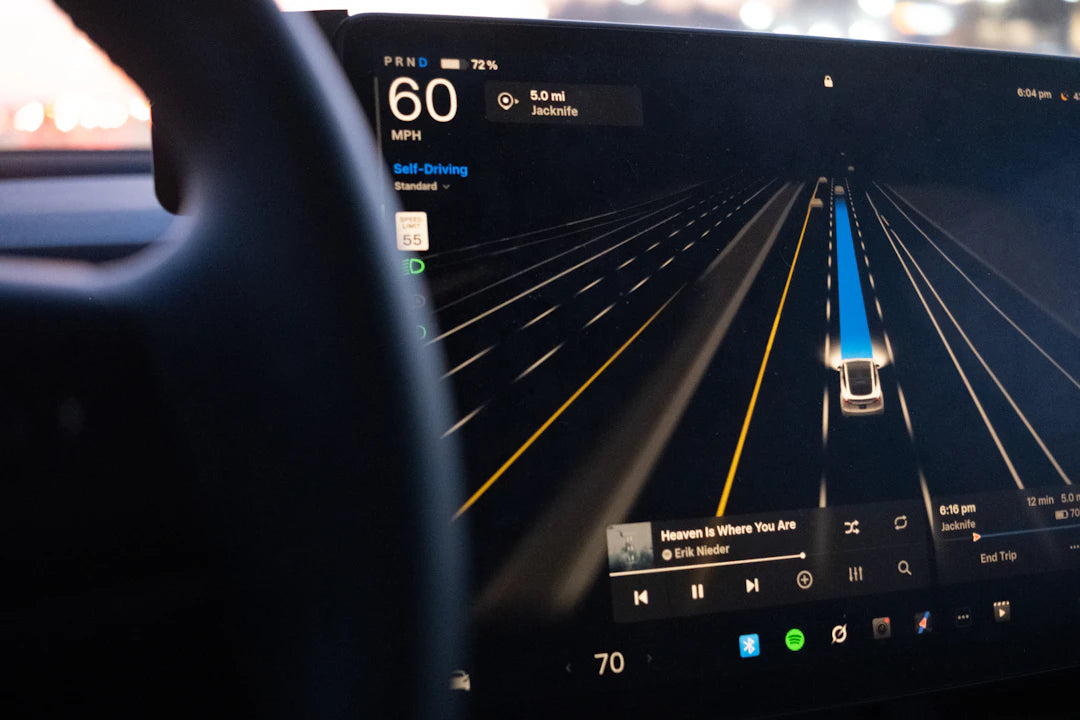
Connected cars are revolutionizing the automotive industry by enhancing safety, convenience, efficiency, and environmental sustainability. Equipped with advanced technologies like AI and IoT, these vehicles offer features such as real-time traffic updates, optimized fuel consumption, and improved navigation. As they pave the way for a future of autonomous vehicles and smart cities, connected cars promise a safer and more enjoyable driving experience while reducing carbon footprints. Embracing these innovations is essential for modern drivers looking to enhance their journeys.
Table of Contents
- Understanding Connected Cars and Smart Technologies
- Enhanced Safety Features
- Simplifying Your Daily Commute
- Convenient Navigation
- Smart Parking Solutions
- Boosting Efficiency and Performance
- Optimized Fuel Consumption
- Predictive Maintenance
- Environmental Impact and Sustainability
- Encouraging Electric Vehicle Adoption
- Reducing Congestion
- Boosting Connectivity and Entertainment
- In-Vehicle Infotainment Systems
- Hands-Free Communication
- The Future of Mobility
- Join the Connected Car Revolution
Key Takeaways
- Enhanced Safety: Connected cars feature advanced driver assistance systems (ADAS) that help prevent accidents through technologies like lane-keeping assistance and automatic emergency braking.
- Real-Time Navigation: These vehicles offer superior navigation capabilities, analyzing driving patterns and real-time road conditions to suggest optimal routes.
- Smart Parking Solutions: Connected cars can help drivers locate available parking spaces in real-time, reducing frustration and saving time.
- Optimized Fuel Consumption: By monitoring driving behavior, connected cars provide feedback that helps reduce fuel consumption, promoting economical driving.
- Environmental Impact: Connected technologies support electric vehicle adoption and contribute to reducing carbon footprints through better traffic management.
- In-Vehicle Entertainment: Advanced infotainment systems in connected cars allow access to music, podcasts, and hands-free communication, enhancing the driving experience.
- Future Innovations: The future of mobility includes advancements like autonomous vehicles and smart city integration, promising improved safety and sustainability.
As we continue to evolve into a tech-driven society, the automotive industry is transforming rapidly with innovative technologies that aren't just changing how we drive but also enhancing our overall driving experience. Connected cars are at the forefront of this change, offering significant advantages that reach beyond mere transportation. In this article, we’ll explore the benefits of connected cars and smart technologies, and how they can revolutionize the way we navigate our roads while boosting safety, convenience, and efficiency.
Understanding Connected Cars and Smart Technologies
Connected cars are equipped with internet connectivity and various communication technologies that allow them to interact with other devices and systems. This enables them to share data with drivers, infrastructure, and other vehicles. Smart technologies, including IoT (Internet of Things) applications, artificial intelligence (AI), and advanced driver-assistance systems (ADAS), work hand-in-hand with connected vehicles to enhance functionalities and driver experiences.
Enhanced Safety Features
One of the most critical benefits of connected cars is the enhanced safety features they provide. These vehicles come equipped with various technologies designed to prevent accidents, reduce collisions, and protect passengers. Here are some of the key safety innovations:
- Advanced Driver Assistance Systems (ADAS): Features such as lane-keeping assistance, adaptive cruise control, and automatic emergency braking significantly lower the risk of accidents by helping drivers maintain better control of their vehicles.
- Real-Time Traffic Updates: Connected cars can provide real-time traffic information, navigating the driver away from congested areas and reducing the likelihood of accidents associated with heavy traffic.
- Vehicle-to-Vehicle Communication: This technology allows connected cars to communicate with one another, sharing information about road conditions, potential hazards, or unexpected obstacles, leading to safer driving experiences.
Simplifying Your Daily Commute
Connected cars are designed to make your daily commute easier and more enjoyable. The integration of smart technologies ensures that every aspect of your driving experience is enhanced. Here’s how:
Convenient Navigation
With built-in GPS and real-time analytics, connected cars offer superior navigation capabilities. They can analyze your driving patterns and preferences to suggest the best routes while factoring in real-time road conditions. This means less time stuck in traffic and more time enjoying the open road.
Smart Parking Solutions
Finding parking in crowded urban settings can often be a hassle. But with the help of connected car technologies, drivers can receive parking suggestions or even locate available parking spaces in real-time. This diminishes the frustration and wasted time associated with parking.
Boosting Efficiency and Performance
Connected cars are not just about safety and convenience; they also drive significant improvements in efficiency and performance. By utilizing various smart technologies, these vehicles can enhance fuel efficiency and reduce harmful emissions. Here are a few ways they achieve this:
Optimized Fuel Consumption
Connected cars can monitor driving behavior and provide feedback that helps drivers reduce fuel consumption. This information can range from maintaining optimal speeds to avoiding rapid acceleration and unnecessary braking, ultimately leading to more economical driving.
Predictive Maintenance
Using advanced analytics, connected vehicles can predict maintenance needs before they become critical issues. By monitoring the health of essential vehicle components, drivers can ensure their cars are operating at peak efficiency, avoiding costly repairs and extending the vehicle's lifespan.
Environmental Impact and Sustainability
As the world grapples with climate change and environmental challenges, connected cars significantly contribute to reducing the carbon footprint. By optimizing fuel consumption and promoting the use of electric vehicles, connected technologies play a vital role in cultivating a sustainable future. Here’s how:
Encouraging Electric Vehicle Adoption
Smart technologies are making electric vehicles (EVs) more viable and attractive options for consumers. Advanced charging management systems can help drivers identify charging stations, plan trips with charging stops in mind, and even schedule charging during off-peak hours to save on electricity costs.
Reducing Congestion
By facilitating better traffic management through vehicle-to-infrastructure communication, connected cars can play a significant role in reducing congestion. This not only leads to increased travel times but also lowers the emissions associated with long idling periods.
Boosting Connectivity and Entertainment
In this digital age, connectivity has become a significant part of our lives. Connected cars provide a seamless integration of entertainment, information, and communication, creating a more pleasurable driving experience. Here’s what you can expect:
In-Vehicle Infotainment Systems
Most connected vehicles are equipped with advanced infotainment systems that provide access to music streaming, podcasts, and audiobooks. This allows drivers and passengers to easily connect their devices and enjoy their favorite content on the go.
Hands-Free Communication
Connected cars come equipped with voice recognition systems that allow drivers to make calls, send texts, and access navigation without taking their eyes off the road. This increases safety by reducing distractions and helping keep drivers focused on their primary task—driving.
The Future of Mobility
Looking ahead, connected cars and smart technologies will continue to shape the landscape of the automotive industry. Innovations on the horizon include:
- Autonomous Vehicles: While fully autonomous vehicles are still in development, advancements in connected technology are paving the way for a future where self-driving cars could enhance safety and convenience even further.
- Smart Cities: The integration of connected vehicles within smart city frameworks will allow for improved traffic management, reduced energy consumption, and more sustainable urban environments, ultimately benefiting everyone in the community.
- Data-Driven Insights: As industries harness the power of big data analytics, the insights gained from connected car usage will inform better urban planning and transportation policies, strengthening mobility as a whole.
Join the Connected Car Revolution
With countless benefits ranging from enhanced safety features to convenience, efficiency, and environmental impact, it's clear that connected cars and smart technologies are not just a passing trend. They represent the future of mobility, addressing the ever-increasing demands of today’s car enthusiasts. As we embrace this exciting evolution, it's important to remember that the journey toward smarter, greener transportation is only just beginning.
In a world where technology and transportation go hand in hand, the opportunities are endless. By understanding and adopting connected car features, consumers not only improve their own experiences but also contribute to a broader, positive change in the automotive landscape. The future is bright, and it’s time to hit the road with confidence, armed with the smart technologies that are shaping our driving experiences today.
Frequently Asked Questions
1. What are connected cars?
2. How do connected cars enhance safety?
3. What convenience features do connected cars offer for daily commutes?
4. How do connected cars contribute to environmental sustainability?
5. What future technologies can we expect from connected cars?
Glossary
| Term | Meaning |
|---|---|
| Connected Cars | Vehicles equipped with internet connectivity to interact with devices and systems. |
| Smart Technologies | Innovative tools like IoT, AI, and ADAS that enhance vehicle functionalities. |
| ADAS | Advanced Driver Assistance Systems that improve vehicle safety and control. |
| Real-Time Traffic Updates | Information provided to drivers about current traffic conditions. |
| Vehicle-to-Vehicle Communication | Technology allowing cars to share information about road conditions. |
| Optimized Fuel Consumption | Monitoring driving habits to enhance fuel efficiency. |
| Predictive Maintenance | Using analytics to forecast vehicle maintenance needs. |
| In-Vehicle Infotainment | Entertainment systems in cars providing access to various media. |
| Hands-Free Communication | Voice recognition systems for safe communication while driving. |
| Autonomous Vehicles | Self-driving cars being developed to enhance safety and convenience. |