
Overview
The automotive industry is transforming in response to climate change, focusing on sustainable technologies and electric vehicles (EVs). Key trends include improved battery technology, hybrid models, eco-friendly manufacturing practices, and increased use of AI and automation. Consumer behavior is shifting towards prioritizing environmental impact, influenced by transparency and brand reputation. Stricter government regulations are pushing automakers to innovate for cleaner technologies. The future will likely see advancements in connectivity, shared mobility, and a greater emphasis on sustainability.
Table of Contents
- Understanding the Connection Between Climate Change and Automotive Innovation
- The Shift Towards Electric Vehicles
- Hybrid Models: Bridging the Gap
- Sustainable Manufacturing Practices
- The Role of AI and Automation
- Climate Change and Consumer Behavior
- Government Regulations and Their Implications
- The Future of Automotive Innovation
- Final Thoughts on the Road Ahead
Key Takeaways
- Climate Change Impact: The automotive industry is significantly affected by climate change, prompting a shift towards sustainable technologies to reduce greenhouse gas emissions.
- Electric Vehicle Surge: There is a rapid increase in electric vehicle (EV) adoption, driven by consumer demand for lower carbon footprints and supported by advancements in battery technology.
- Hybrid Models: Hybrid vehicles are gaining popularity as a transitional solution, combining traditional engines with electric motors to lower emissions without sacrificing reliability.
- Sustainable Manufacturing: Automotive manufacturers are implementing eco-friendly practices, including the use of recycled materials and renewable energy sources in production processes.
- AI and Automation: The integration of AI and automation in manufacturing is enhancing efficiency and reducing waste, contributing to a lower carbon footprint.
- Consumer Behavior Shift: Growing environmental awareness among consumers is influencing their purchasing decisions, with a preference for brands that prioritize sustainability and transparency.
- Regulatory Pressure: Stricter government emissions regulations are compelling automakers to innovate and invest in cleaner technologies to avoid penalties.
The automotive industry is undergoing a transformative phase, driven by pressing global challenges including climate change. Not only is environmental awareness reshaping consumer preferences, but it is also leading manufacturers to innovate and improve their technologies. This blog post will explore the significant impact climate change has on automotive innovation, the responses of this industry, and what consumers can expect in the future.
Understanding the Connection Between Climate Change and Automotive Innovation
Climate change is affecting various facets of life, from weather patterns to sea levels and ecosystems. The automotive industry is particularly influenced by these changes due to its substantial contributions to global greenhouse gas emissions. In response, automakers are focusing on developing sustainable technologies that reduce environmental impact while maintaining performance and safety. This drive towards sustainability is not just a trend; it’s a necessity for the survival of both the industry and the planet.
The Shift Towards Electric Vehicles
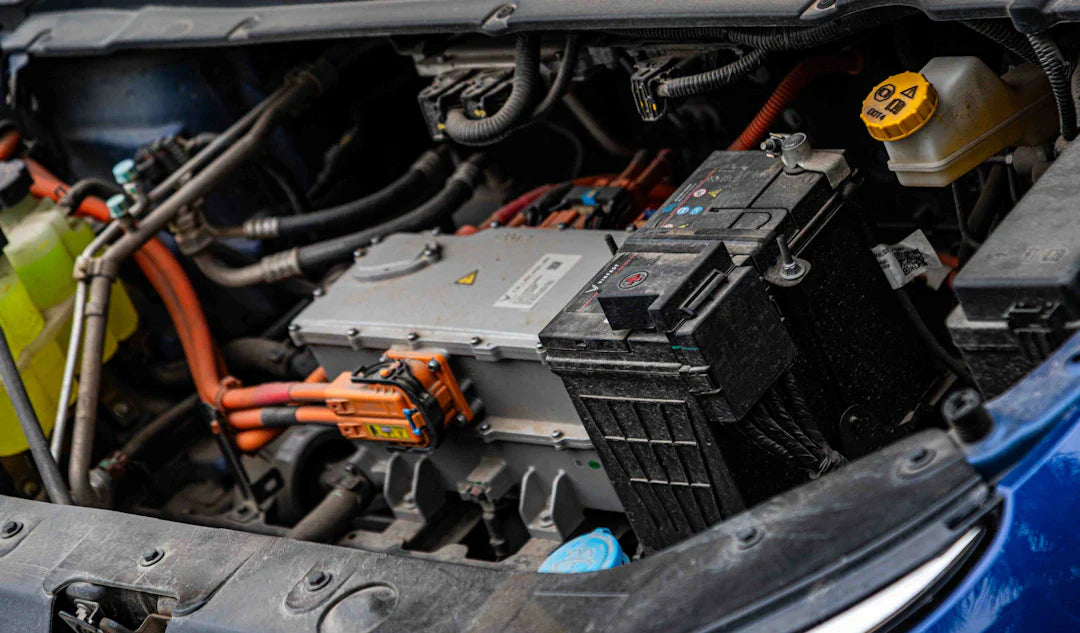
One of the most significant shifts in the automotive sector is the acceleration of electric vehicle (EV) technology. As consumers become more conscious of their carbon footprints, the demand for EVs has surged. Automakers are responding by investing heavily in electric technology, leading to:
- Improved Battery Technology: Advances in lithium-ion and solid-state batteries have been crucial in enhancing the driving range and efficiency of electric vehicles.
- Increased Infrastructure: With more charging stations being built, the convenience of owning an EV is on the rise, making it an attractive option for consumers.
- Government Incentives: Countries around the world are offering financial incentives, rebates, and tax breaks to encourage the purchase of electric vehicles.
Hybrid Models: Bridging the Gap
As the transition to full electric vehicles continues, hybrid models have emerged as a practical solution for consumers hesitant to make a complete switch. By combining internal combustion engines with electric motors, hybrids reduce emissions while still providing the reliability of traditional vehicles. This trend reflects innovation aimed at minimizing the ecological impact during the transition period.
Sustainable Manufacturing Practices
The push for sustainability goes beyond vehicle operation; it extends to manufacturing practices as well. Automotive manufacturers are now adopting eco-friendly processes aimed at reducing waste, conserving energy, and limiting resource consumption. Some of the notable initiatives include:
- Recycled Materials: Using recycled plastics, metals, and other materials in the manufacturing process helps to lessen the industry's environmental footprint.
- Green Energy: Factories are increasingly turning to renewable energy sources, such as solar and wind, to power their operations.
- Water Conservation: Implementing water recycling systems plays a role in reducing the amount of water used during production.
The Role of AI and Automation
Artificial intelligence (AI) and automation are at the forefront of the automotive revolution, making processes more efficient and less wasteful. These technologies can predict demand, manage logistics, and optimize production schedules, leading to minimal waste. By streamlining operations and improving efficiency, companies reduce their overall carbon footprint.
Climate Change and Consumer Behavior
As awareness of climate change grows, consumers are increasingly considering the environmental impact of their purchases. A growing segment of buyers is prioritizing vehicle emissions and sustainability when choosing their next car. This shift in consumer behavior is compelling automakers to rethink their marketing strategies while focusing on environmentally-friendly features. Here are key factors influencing consumer decisions:
- Transparency in Emissions: Buyers are now more informed and expect brands to be open about their environmental impact.
- Brand Reputation: Companies that prioritize sustainability are often more trusted and favored among consumers.
- Innovative Features: Eco-friendly features such as energy efficiency, low emissions, and sustainable materials are increasingly becoming selling points.
Government Regulations and Their Implications
Governments worldwide are implementing stricter emissions regulations to combat climate change. These policies require automakers to innovate and invest in cleaner technologies. Failure to comply could lead to hefty fines or restrictions, pushing manufacturers to prioritize sustainability in their design and production processes.
The Future of Automotive Innovation
The linking thread throughout the narrative of climate change and automotive innovations is adaptability. As technology advances, manufacturers will likely explore alternative fuels, hydrogen fuel cells, and further improvements in battery technology, among others. The future will be shaped by:
- Enhanced Connectivity: The rise of connected cars will allow for more reliable data collection on driving habits, leading to more personalized and energy-efficient vehicles.
- Shared Mobility Solutions: The concept of shared mobility, such as ride-sharing and carpooling, can significantly reduce the number of vehicles on the road, thereby lowering emissions.
- Sustainability as a Trademark: Brands that can associate their name with sustainability will find favor in a market that increasingly prioritizes eco-friendliness.
Final Thoughts on the Road Ahead
As the automotive industry navigates the challenges posed by climate change, innovation has become more critical than ever. The commitment to building sustainable, efficient vehicles not only meets the demands of environmentally-conscious consumers but also helps protect the planet for future generations. Balancing sustainability with technology presents unique challenges, but the road ahead looks promising for those ready to embrace change. As we move forward, it will be inspiring to see how the automotive sector continues to reinvent itself while driving meaningful contributions to a sustainable future.
Frequently Asked Questions
1. How is climate change influencing the automotive industry?
2. What are the major advancements in electric vehicle technology?
3. What role do hybrid vehicles play in the transition to electric vehicles?
4. How are automotive manufacturers adopting sustainable practices?
5. What future trends can we expect in automotive innovation related to sustainability?
Glossary
| Term | Meaning |
|---|---|
| Climate Change | Long-term alteration of temperature and typical weather patterns in a place. |
| Electric Vehicle (EV) | A vehicle powered by electricity instead of gasoline or diesel. |
| Hybrid Model | A vehicle that combines an internal combustion engine with an electric motor. |
| Sustainable Technologies | Innovations that reduce environmental impact and enhance efficiency. |
| Recycled Materials | Materials that have been processed and reused in manufacturing. |
| Green Energy | Energy sourced from renewable resources like solar and wind. |
| AI and Automation | Technologies that enhance efficiency and reduce waste in production. |
| Consumer Behavior | How consumer preferences and actions are influenced by environmental factors. |
| Government Regulations | Rules set by authorities to control emissions and promote sustainability. |
| Shared Mobility | Transportation solutions like ride-sharing that reduce the number of vehicles on the road. |