
Overview
The automotive industry is set to undergo significant transformations by 2026, driven by key consumer trends including the rise of electric vehicles, increased connectivity, a focus on sustainability, enhanced safety features, and evolving shopping experiences. Consumers will prioritize eco-friendly options, demand smart technologies, and shift towards alternative mobility solutions like subscription services. As they become more empowered, manufacturers must adapt to meet these changing expectations to thrive in a competitive market.
Table of Contents
- Electrification Takes Center Stage
- Unprecedented Demand for Electric Vehicles
- Consumer Preferences Shift Towards Sustainability
- Connected Vehicles: The Future of Mobility
- In-Car Connectivity and Smart Features
- Data-Driven Insights for Personalized Experiences
- Sustainability Beyond Just Vehicles
- Responsible Manufacturing Practices
- Recycling and Circular Economy
- Increased Focus on Safety Features
- Consumer Expectations for Active Safety Technologies
- Impact of Autonomous Technology
- New Shopping Experiences Through Technology
- The Rise of Online Vehicle Purchases
- Virtual Reality and Augmented Reality in Showrooms
- Shift in Mobility Mindset
- Rise of Subscription Services
- Public and Shared Mobility Solutions
- Emphasis on Empowered Consumer Choices
- The Role of Consumer Reviews and Recommendations
- Need for Customization Options
- Unlocking the Future of Driving
Key Takeaways
- Electrification Growth: By 2026, a significant portion of new car sales is expected to be electric vehicles (EVs), driven by consumer demand and improved charging infrastructure.
- Sustainability Focus: Consumers are prioritizing eco-friendly options, pushing manufacturers to adopt sustainable practices throughout the automotive lifecycle.
- Connected Vehicles: The rise of smart technologies will enhance the driving experience, with advanced infotainment systems and voice-activated features becoming standard.
- Safety Innovations: Advanced driver assistance systems (ADAS) will redefine consumer expectations for vehicle safety features, including automatic braking and lane-keeping assist.
- Online Purchasing Trends: The car-buying process is shifting towards online platforms, requiring dealerships to adapt their business models to meet consumer preferences for digital experiences.
- Subscription Services: By 2026, subscription-based vehicle models will likely gain popularity, offering flexibility and convenience over traditional ownership.
- Consumer Empowerment: Online reviews and customization options will increasingly influence buying decisions, with brands needing to prioritize transparency and personalization to stay competitive.
The automotive industry is experiencing rapid evolution, influenced by various consumer trends that could reshape the marketplace by 2026. As we look ahead, understanding these trends not only helps car manufacturers and dealerships but can also significantly enhance the shopping experience for consumers. In this blog, we will explore the top consumer trends in the automotive industry that are expected to dominate the landscape in 2026. From electrification and connectivity to sustainable practices, brace yourself for an insightful journey.
Electrification Takes Center Stage
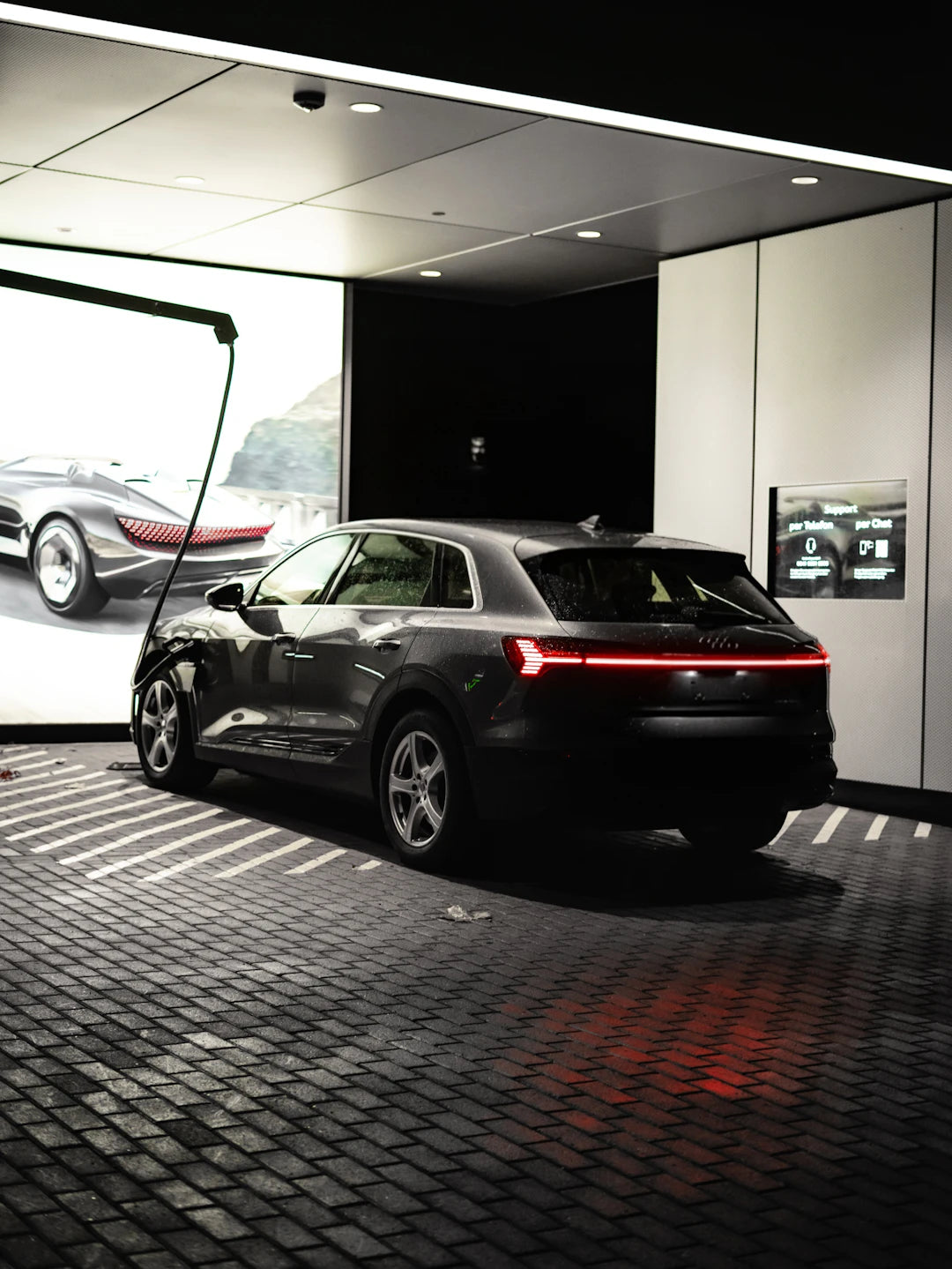
As climate awareness grows, electrification in the automotive sector is set to flourish by 2026. Consumers are increasingly leaning towards electric vehicles (EVs) due to their environmental benefits, reduced operating costs, and government incentives.
Unprecedented Demand for Electric Vehicles
In recent years, sales of electric vehicles have skyrocketed, and this trend is set to continue. By 2026, it’s predicted that a significant portion of new car sales will be electric. This increase is not only driven by consumer demand but also by the expansion of charging infrastructure and advancements in battery technology.
Consumer Preferences Shift Towards Sustainability
Today’s consumers prioritize sustainability in their purchasing choices. This is particularly evident in the automotive industry, where eco-friendly options are gaining traction. Manufacturers investing in recycling and sustainable sourcing for their vehicles will probably fare better in 2026. Consumers are becoming more educated on the lifecycle impacts of their purchases, leading to preferences for brands that reflect their values.
Connected Vehicles: The Future of Mobility
As technology continues to evolve, so too does the function of vehicles. By 2026, we expect to see a surge in connected vehicles equipped with smart technologies that enhance the driving experience.
In-Car Connectivity and Smart Features
Today's consumers demand seamless integration of technology into their vehicles. Expect features such as advanced infotainment systems, voice-activated commands, and smart assistants that allow for enhanced connectivity. This growing demand for technology means vehicles will need to align with consumer expectations for a connected lifestyle.
Data-Driven Insights for Personalized Experiences
The utilization of data will play a crucial role in developing personalized experiences for consumers. Car manufacturers can gather information from connected vehicles to improve user experience, driving safety, and maintenance foresight. By 2026, this information could empower manufacturers to create tailored marketing strategies directly targeting consumer needs.
Sustainability Beyond Just Vehicles
By 2026, sustainability will no longer be limited to the vehicles themselves; it will encompass all aspects of the automotive lifecycle, from production to end-of-life recycling practices.
Responsible Manufacturing Practices
Automakers will increasingly adopt sustainable manufacturing practices. This includes using renewable energy sources, reducing waste, and minimizing harmful emissions during production. Consumers will become more aware of and demand transparency from manufacturers regarding their practices, pushing the industry toward better sustainability frameworks.
Recycling and Circular Economy
As the concept of a circular economy gains traction, recycling strategies will play a pivotal role. Automotive companies will need to ensure that components can be recycled at the end of their life cycle. By 2026, consumers will likely prefer manufacturers committed to offering long-lasting products that can be readily recycled.
Increased Focus on Safety Features
Consumer safety remains a top priority in the automotive industry. With the rise of advanced driver assistance systems (ADAS), consumers now expect their vehicles to carry enhanced safety features that mitigate risks on the road.
Consumer Expectations for Active Safety Technologies
By 2026, the integration of advanced safety technologies will define new consumer standards. Features such as automatic braking, lane-keeping assist, and adaptive cruise control will become commonplace. The growing concern over road safety statistics makes it imperative for manufacturers to continually innovate around safety technology to meet consumer expectations.
Impact of Autonomous Technology
As autonomous driving technology progresses, consumers are becoming increasingly receptive to the idea of self-driving cars. While full autonomy may still be a few years away, features that assist in driving will likely be widespread by 2026. This shift is predicted to reshape consumer perceptions of personal transportation and mobility solutions.
New Shopping Experiences Through Technology
The way consumers purchase vehicles is evolving. By 2026, we can expect a major transformation in the car-buying process due to the integration of technology and the rise of digital marketplaces.
The Rise of Online Vehicle Purchases
More consumers are beginning to opt for online vehicle purchases. The convenience of browsing, comparing prices, and finalizing purchases from home is a trend that will only grow. By 2026, established car dealerships will need to adapt their business models to include seamless online experiences to meet consumer expectations.
Virtual Reality and Augmented Reality in Showrooms
As virtual and augmented reality technologies advance, we can expect to see their implementation in automotive showrooms. This innovation will offer consumers immersive experiences, allowing them to interact with vehicles in 3D before making a purchase. Providing a unique consumer experience will surely set brands apart in the competitive landscape.
Shift in Mobility Mindset
With the movement toward sustainable transportation, consumer mindsets are shifting from traditional car ownership to alternative mobility solutions that appeal to convenience and flexibility.
Rise of Subscription Services
By 2026, subscription-based models could become a mainstream alternative to traditional car ownership. These services offer consumers the flexibility to drive different vehicles based on their needs without the commitments of ownership. Automotive companies responding to this trend may see increased customer loyalty and satisfaction.
Public and Shared Mobility Solutions
Shared mobility solutions, including car-sharing and ride-hailing services, are quickly establishing themselves as viable options for urban consumers. By 2026, we may see an increase in consumers opting for these services over owning a vehicle. Focused on reducing congestion and promoting sustainability, companies will likely invest considerably in these platforms, aligning with current consumer preferences.
Emphasis on Empowered Consumer Choices
In recent years, consumers have become more empowered than ever, forcing companies to listen closely to their preferences and demands. This trend will only intensify moving into 2026.
The Role of Consumer Reviews and Recommendations
Online reviews and recommendations significantly influence the purchasing choices consumers make today. By 2026, the impact of social proof on buyer behavior will be more pronounced, with potential buyers seeking out feedback and testimonials before committing to a purchase. Companies that prioritize transparency and engage with their customers will have a competitive edge.
Need for Customization Options
As consumers look for greater personalization, demand for customization options will rise. Brands that offer an array of configurations and personal assistant features may see higher customer satisfaction. By 2026, manufacturers must be prepared to offer comprehensive personalization if they wish to thrive in an increasingly competitive market.
Unlocking the Future of Driving
The auto industry in 2026 will reflect a complex tapestry of consumer trends impacting everything from vehicle choice to purchasing methods. As electrification, connectivity, sustainability, safety, and empowered consumer choices dominate the landscape, automotive brands must adapt to meet these evolving expectations. For businesses, this shift presents challenges but also tremendous opportunities. Embracing innovation and prioritizing consumer preferences will allow them to flourish in an ever-changing environment. With the impending changes in the automotive world, both consumers and manufacturers have a thrilling journey ahead!
Frequently Asked Questions
1. What are the top consumer trends expected to influence the automotive industry by 2026?
2. Why is electrification significant in the automotive sector?
3. How are consumer preferences shifting towards sustainability in the automotive industry?
4. What role will technology play in the future shopping experience for vehicles?
5. How is consumer mindset changing regarding vehicle ownership?
Glossary
| Term | Meaning |
|---|---|
| Electrification | The shift towards electric vehicles (EVs) for environmental benefits. |
| EV | Electric Vehicle, a car powered by electricity instead of gasoline. |
| Connected Vehicles | Cars equipped with internet connectivity and smart technologies. |
| ADAS | Advanced Driver Assistance Systems that enhance vehicle safety. |
| Circular Economy | A model focused on recycling and sustainability in production. |
| Subscription Services | A model allowing consumers to use vehicles without ownership. |
| Online Vehicle Purchases | Buying cars through digital platforms instead of traditional dealerships. |
| Virtual Reality | Technology providing immersive experiences in automotive showrooms. |
| Consumer Empowerment | Increased influence of consumer preferences on purchasing decisions. |
| Customization Options | Personalized features and configurations available for vehicles. |