
Overview
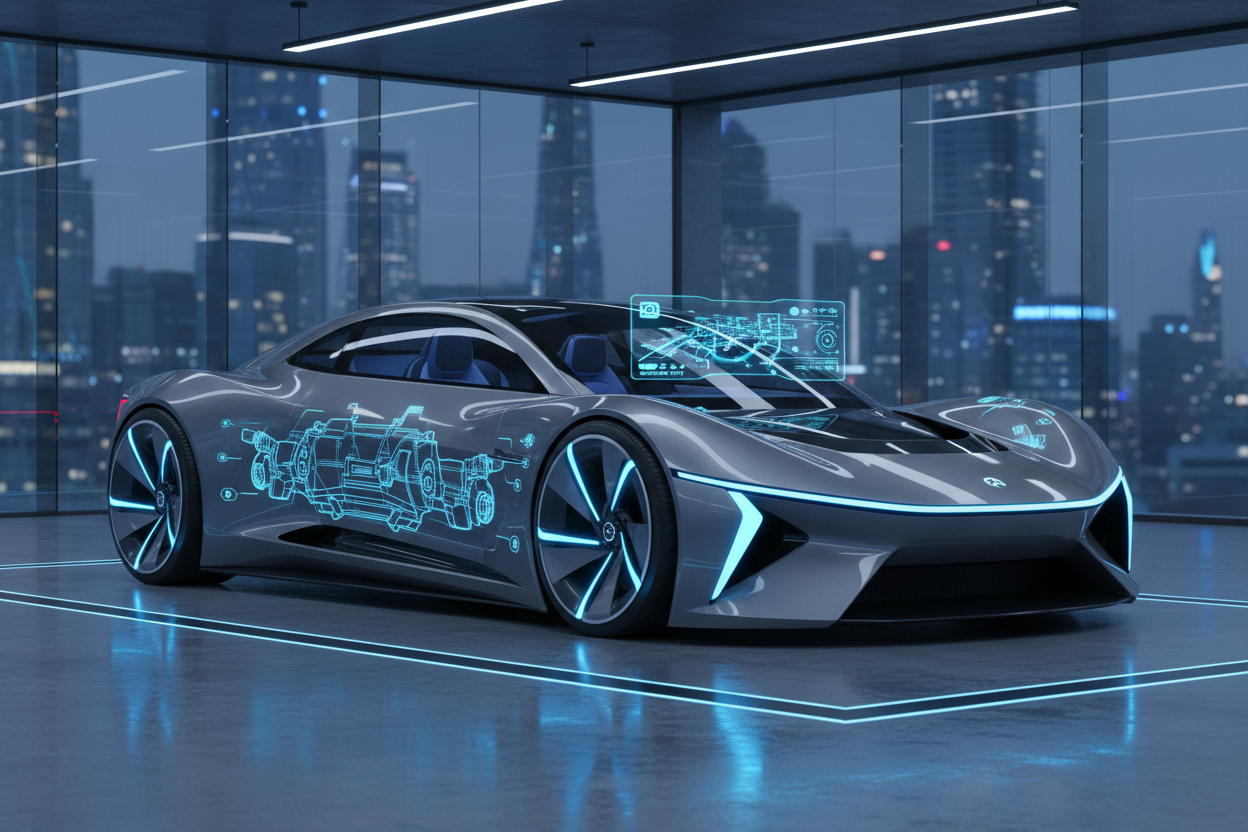
The automotive industry is undergoing a technological revolution, leading to smarter, safer, and more efficient vehicles. Key advancements include the evolution of computer-aided design (CAD), the rise of electric vehicles (EVs), integration of artificial intelligence (AI), and a focus on sustainability. Manufacturers are adopting advanced manufacturing techniques like 3D printing and robotics, while also prioritizing cybersecurity. The future of automotive design will emphasize connectivity, user experience, and personalization, paving the way for innovative, eco-friendly vehicles that align with consumer values.
Table of Contents
- The Evolution of Automotive Technology
- Historical Overview
- The Rise of Electric Vehicles
- The Role of Computer-Aided Design in Automotive Development
- Benefits of CAD in Automotive Design
- Integration of Artificial Intelligence
- AI in Design and Development
- Cybersecurity in Automotive Innovation
- Implementing Robust Security Measures
- Advanced Manufacturing Techniques
- The Benefits of 3D Printing
- Robotics and Automation
- Environmental Considerations in Automotive Design
- Using Sustainable Materials
- Hybrid and Fuel Cell Technologies
- The Future of Automotive Design
- Connectivity and Smart Features
- Autonomous Vehicles
- Designing for User Experience
- Human-Machine Interface (HMI) Design
- Personalization
- Final Thoughts: Driving Towards an Innovative Future
Key Takeaways
- Technological Evolution: The automotive industry has evolved significantly, from simple internal combustion engines to advanced electric vehicles (EVs) and smart technologies.
- Computer-Aided Design (CAD): CAD has revolutionized automotive design, allowing for precise 3D modeling and rapid prototyping, enhancing collaboration among design teams.
- Artificial Intelligence: AI is transforming automotive design by analyzing consumer data and optimizing vehicle performance, paving the way for innovations like autonomous driving.
- Cybersecurity Importance: As vehicles become more connected, manufacturers must prioritize cybersecurity from the design stage to protect against potential threats.
- Advanced Manufacturing: Techniques like 3D printing and robotics have streamlined production processes, reducing costs and improving overall quality in automotive manufacturing.
- Sustainability Focus: The industry is increasingly integrating eco-friendly materials and technologies, such as hybrid and fuel cell systems, to address environmental concerns.
- User Experience Design: Modern vehicles emphasize user experience through advanced human-machine interfaces (HMIs) and personalization features, enhancing driver interaction.
The automotive industry has always been at the forefront of innovation, and technology plays a pivotal role in shaping vehicles' design and functionality. As we progress further into the 21st century, technology's influence is profound, leading to a new era of smarter, safer, and more efficient vehicles. This article will explore how technology has revolutionized automotive design, enhancing various elements from aesthetics to performance.
The Evolution of Automotive Technology
Technology's evolution has dramatically impacted automotive design throughout history. From the introduction of the assembly line to the integration of computers and electronics, each advancement has contributed to creating vehicles that are faster, safer, and more efficient than ever before.
Historical Overview
In the early 20th century, cars were simple machines powered by internal combustion engines. As technology progressed, the introduction of safety features, emissions control systems, and advanced manufacturing techniques became standard. The rise of computers in automotive design led to innovations such as computer-aided design (CAD), enabling designers to create more complex and aesthetically appealing vehicles.
The Rise of Electric Vehicles
The growing emphasis on sustainability has propelled electric vehicles (EVs) into the limelight. With advancements in battery technology and charging infrastructure, more manufacturers are investing heavily in creating electric models. This shift in automotive design is not just about replacing traditional engines; it also involves rethinking vehicle architecture entirely.
The Role of Computer-Aided Design in Automotive Development
Computer-aided design is one of the most significant technological advancements in the automotive industry. Through CAD software, designers can create accurate 3D models of vehicles, allowing for precise adjustments and modifications that were simply not possible with traditional hand-drawn techniques.
Benefits of CAD in Automotive Design
- Increased Precision: CAD technology enables designers to create geometrically perfect models, reducing the risk of errors and improving fit and finish.
- Rapid Prototyping: Computer-generated models can be quickly produced to create prototypes, allowing for faster testing and feedback.
- Enhanced Collaboration: Virtual models allow design teams from different parts of the world to collaborate seamlessly, streamlining the development process.
Integration of Artificial Intelligence
Artificial intelligence (AI) is another groundbreaking technology transforming automotive design. From initial design phases to advanced manufacturing processes, AI enhances productivity and creativity.
AI in Design and Development
AI algorithms can analyze vast amounts of data to identify trends and consumer preferences, assisting designers in creating vehicles that better meet the market's needs. Furthermore, AI can optimize designs for performance and efficiency, contributing to innovations like autonomous vehicles.
Cybersecurity in Automotive Innovation
As cars become increasingly connected, cybersecurity has emerged as a crucial aspect of automotive design. Modern vehicles integrate various technologies that communicate with external networks, making them susceptible to cyber threats.
Implementing Robust Security Measures
Automotive manufacturers must prioritize cybersecurity from the design stage. This involves incorporating secure coding practices and regularly updating software to protect vehicles from potential breaches. The integration of technology in design must also ensure that consumer data remains safe and private.
Advanced Manufacturing Techniques
Beyond design, technology has revolutionized manufacturing processes within the automotive industry. Advanced techniques such as 3D printing and robotic automation have streamlined production, reducing costs and improving quality.
The Benefits of 3D Printing
3D printing allows for rapid prototyping and the creation of customized components. Manufacturers can quickly iterate designs and produce parts on-demand, minimizing waste and inventory costs.
Robotics and Automation
Robots have taken over various aspects of automotive manufacturing, enhancing precision and efficiency. With robotic systems completing repetitive tasks, human workers can focus on more complex problem-solving and creativity in design and assembly.
Environmental Considerations in Automotive Design
With growing concerns over climate change, environmental sustainability has become a primary focus in modern automotive design. Manufacturers are now integrating eco-friendly materials and manufacturing processes to reduce their carbon footprints.
Using Sustainable Materials
Many automobile companies are pioneering the use of recycled plastics, bio-based materials, and other sustainable options in vehicle construction. These materials not only reduce waste but also appeal to eco-conscious consumers.
Hybrid and Fuel Cell Technologies
The advancement of hybrid and fuel cell technologies represent significant steps toward greener automotive solutions. These systems can significantly reduce emissions and are crucial for achieving sustainability goals in the industry.
The Future of Automotive Design
As we look ahead, the fusion of technology and automotive design will continue to evolve. With innovations in connectivity, energy storage, and artificial intelligence, the future promises even more groundbreaking developments.
Connectivity and Smart Features
Internet of Things (IoT) technology allows vehicles to communicate with their environments, enabling smart features that enhance driving experiences. From real-time traffic updates to predictive maintenance alerts, connectivity will shape how consumers interact with their vehicles.
Autonomous Vehicles
The concept of autonomous driving has transitioned from science fiction to reality, thanks to advancements in sensors, AI, and machine learning. As manufacturers push the boundaries of safety and reliability, the design of vehicles will need to accommodate features that align with fully autonomous technology.
Designing for User Experience
Today’s automotive designs are not just about looks and performance; user experience is becoming increasingly important. Technology plays a crucial role in ensuring that vehicles are intuitive and user-friendly.
Human-Machine Interface (HMI) Design
The integration of advanced HMIs allows drivers to interact with their vehicles in more meaningful ways. Touchscreens, voice commands, and gesture controls are just a few examples of how technology enhances user experience.
Personalization
Technology also enables a greater degree of personalization, allowing drivers to customize various aspects of their vehicles, from seat positioning to climate control settings. This personal touch creates a more enjoyable and tailored driving experience.
Final Thoughts: Driving Towards an Innovative Future
The role of technology in modern automotive design is undeniable, impacting every facet from aesthetics to functionality. As the industry continues to evolve, it embraces a future filled with promise and potential. With ongoing advancements in technology, sustainability, and user experience, the automotive landscape will continue to transform, making way for innovations that drive us toward a more connected and eco-friendly future. Consumers can look forward to vehicles that not only meet their practical needs but also resonate with their values in this rapidly advancing digital era.
Frequently Asked Questions
1. How has technology influenced automotive design?
2. What is the role of computer-aided design (CAD) in automotive development?
3. What advancements have been made in electric vehicles?
4. Why is cybersecurity important in modern automotive design?
5. How is sustainability integrated into automotive design?
Glossary
| Term | Meaning |
|---|---|
| Automotive Industry | The sector involved in the design, development, manufacturing, and selling of vehicles. |
| Electric Vehicles (EVs) | Cars powered entirely by electricity, reducing reliance on fossil fuels. |
| Computer-Aided Design (CAD) | Software used to create precise drawings and models of vehicles. |
| Artificial Intelligence (AI) | Technology that simulates human intelligence to improve design and manufacturing. |
| Cybersecurity | Protection of vehicles from digital threats and unauthorized access. |
| 3D Printing | A manufacturing process that creates objects layer by layer from digital models. |
| Human-Machine Interface (HMI) | Systems that allow interaction between drivers and their vehicles. |
| Hybrid Technology | Vehicles that use both electric and traditional fuel sources for power. |
| Internet of Things (IoT) | Network of connected devices that communicate and share data. |
| Personalization | Customization options that enhance the user experience in vehicles. |