
Overview
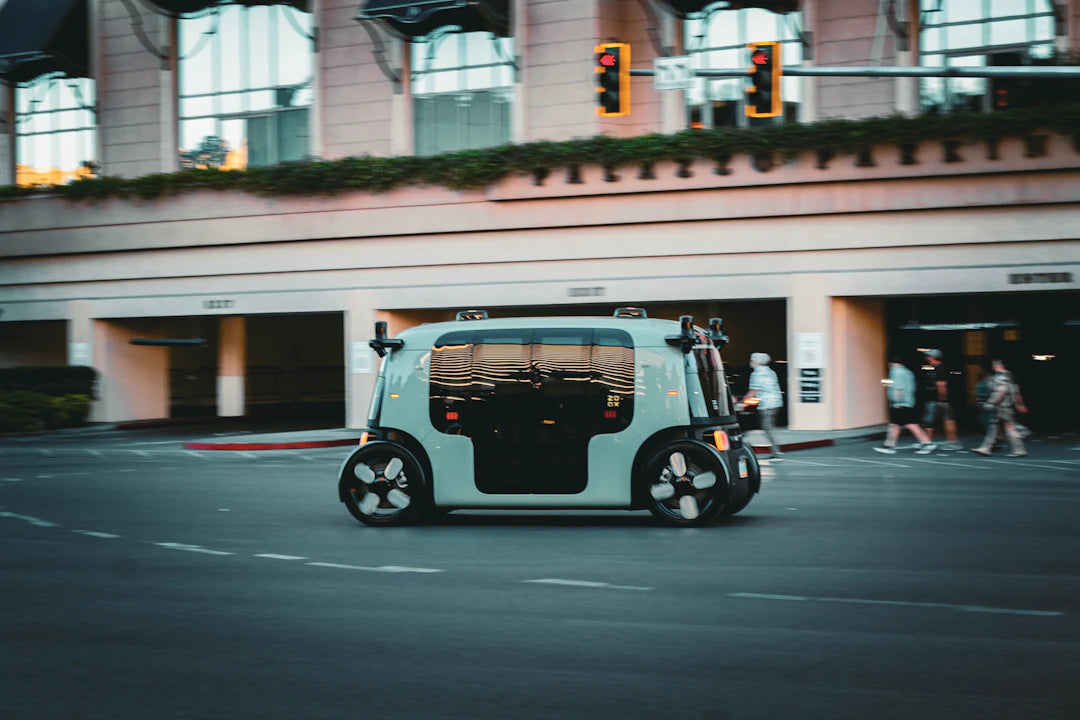
Autonomous vehicles are transforming the automotive industry, promising improved road safety, enhanced traffic flow, and environmental benefits. They can redefine mobility for those unable to drive and influence urban planning. However, challenges like regulatory hurdles and public acceptance must be addressed for successful integration. Continuous collaboration between stakeholders is essential to navigate the future of self-driving cars.
Table of Contents
- Understanding Autonomous Vehicles
- Level of Automation
- Safety on the Roads
- Reduction in Traffic Accidents
- Improved Traffic Flow
- Environmental Implications
- Electric Vehicles and AV Integration
- Efficient Use of Space
- Societal Changes Ahead
- Redefining Mobility
- Urban Planning and Development
- Challenges Facing Autonomous Vehicles
- Legal and Regulatory Hurdles
- Public Acceptance
- The Future is Here
- Embracing the Changes
- Staying Informed
- The Road Ahead
Key Takeaways
- Levels of Automation: Autonomous vehicles range from Level 0 (no automation) to Level 5 (full automation), indicating varying degrees of driver assistance and control.
- Safety Benefits: AVs have the potential to significantly reduce road accidents, as 94% of serious crashes are attributed to human error.
- Improved Traffic Flow: Through vehicle-to-vehicle (V2V) and vehicle-to-infrastructure (V2I) communication, AVs can enhance traffic management, reducing congestion and bottlenecks.
- Environmental Impact: Electric autonomous vehicles can lower greenhouse gas emissions, potentially emitting up to 50% less carbon dioxide than traditional gasoline vehicles.
- Societal Changes: AVs can redefine mobility for individuals unable to drive, such as the elderly and disabled, promoting independence and accessibility.
- Urban Planning Adaptations: The rise of AVs may lead to redesigned urban spaces that prioritize pedestrian-friendly environments and reduce the need for parking.
- Challenges Ahead: Legal, regulatory, and public acceptance issues must be addressed to ensure the successful integration and adoption of autonomous vehicles.
The automotive industry is experiencing one of its most transformative periods with the rise of autonomous vehicles (AVs). These self-driving cars hold the promise of reshaping how we travel, impacting urban planning, safety, and even the way we interact with technology. In this blog post, we will delve into the phenomenon of autonomous vehicles, explore their implications on society, and highlight the benefits and challenges associated with this revolutionary shift in transportation.
Understanding Autonomous Vehicles
Autonomous vehicles, often referred to as self-driving cars, utilize a combination of sensors, cameras, artificial intelligence, and machine learning algorithms to navigate roads without human intervention. The technology can be classified into different levels according to the Society of Automotive Engineers (SAE) ranging from Level 0 (no automation) to Level 5 (full automation).
Level of Automation
- Level 0: No automation. The human driver is responsible for all aspects of driving.
- Level 1: Driver assistance. Systems can assist with steering or acceleration but require constant driver supervision.
- Level 2: Partial automation. Vehicles can take control of acceleration, braking, and steering in certain conditions.
- Level 3: Conditional automation. The vehicle can perform all driving functions in specific conditions but requires a human to take over when needed.
- Level 4: High automation. The vehicle can handle all driving tasks autonomously in most environments without human intervention.
- Level 5: Full automation. No human driver is needed; the vehicle can operate independently in any environment.
Safety on the Roads
One of the most significant benefits of autonomous vehicles is the potential to enhance road safety. According to the National Highway Traffic Safety Administration (NHTSA), 94% of serious crashes are due to human error. Autonomous vehicles are designed to reduce these errors and, as a result, could lead to fewer accidents and fatalities on our roads.
Reduction in Traffic Accidents
By incorporating advanced technologies such as machine learning and computer vision, autonomous vehicles can better react to their surroundings, recognize road signs, and navigate complex driving scenarios. With these features, the likelihood of collisions is significantly minimized. For instance, AVs can quickly process vast amounts of data from their sensor systems to avoid obstacles, maintain appropriate distances from other vehicles, and make informed driving decisions.
Improved Traffic Flow
Another compelling aspect of AVs is their potential to enhance traffic management. Autonomous vehicles can communicate with one another through vehicle-to-vehicle (V2V) and vehicle-to-infrastructure (V2I) technologies, leading to more coordinated movements on the road. This inter-vehicle interaction may result in:
- Reduced congestion
- Fewer bottlenecks
- More efficient traffic handling
Environmental Implications
The rise of autonomous vehicles may also have profound effects on the environment. As automobile pollution is a primary contributor to climate change, the possibilities offered by AVs for reducing emissions are exciting.
Electric Vehicles and AV Integration
Many autonomous vehicles are also being developed as electric models. The combined efforts of companies to create electric AVs can considerably lower greenhouse gas emissions. An estimation from the Union of Concerned Scientists suggests that electric vehicles can emit up to 50% less carbon dioxide than their gasoline counterparts over their lifetime.
Efficient Use of Space
Self-driving cars can optimize parking and road space usage. By utilizing technology, these vehicles can drop off passengers and find parking spots autonomously, thus minimizing the area required for parking and reducing urban sprawl. Furthermore, the ability to share vehicles through rideshare models can lead to fewer cars on the road.
Societal Changes Ahead
The emergence of autonomous vehicles is set to change societal norms and impact various aspects of our lives. Here are some transformative effects we can expect to see:
Redefining Mobility
Autonomous vehicles have the potential to revolutionize mobility, particularly for those individuals who are unable to drive, such as the elderly or disabled. By providing accessible transport options, AVs can empower these demographics, giving them greater freedom and independence.
Urban Planning and Development
As AVs become commonplace, urban designs may need to adapt as well. Cities may prioritize pedestrian-friendly environments, biking paths, and smart transportation networks. Fewer parking spaces may be required in urban settings, enabling developers to repurpose land for parks or housing, ultimately resulting in more vibrantly designed communities.
Challenges Facing Autonomous Vehicles
While the prospect of autonomous vehicles is thrilling, it also brings several challenges that need to be addressed. Understanding these challenges is crucial for stakeholders involved in the transition to self-driving cars.
Legal and Regulatory Hurdles
The regulatory framework governing AVs remains largely underdeveloped. Questions around liability in the event of an accident, the insurance landscape, and manufacturers' accountability need clear answers. Policymakers are tasked with striking a balance between fostering innovation and ensuring public safety.
Public Acceptance
Another obstacle for the widespread adoption of autonomous vehicles is the public's perception and acceptance of the technology. Concerns related to safety, privacy, and loss of control are common amongst potential consumers. Awareness and education campaigns will be critical in addressing these concerns and building trust.
The Future is Here
As we embark on this innovative journey, it's essential to recognize that the rise of autonomous vehicles is only the beginning. The impact on society will be profound, touching on daily life, the economy, and our human connections.
Embracing the Changes
To fully harness the advantages of AVs, we must advocate for an integrated approach, where technology, ethics, policy, and societal needs converge. Continuous collaboration between technology developers, government agencies, and communities will pave the way for successful integration and adoption.
Staying Informed
For those interested in the burgeoning world of autonomous vehicles, staying informed about technological advancements, regulatory changes, and emerging best practices is vital. Knowledge is power—especially as we approach a future where self-driving cars become the norm.
The Road Ahead
In conclusion, autonomous vehicles represent not only a shift in transportation but an evolution in human mobility, safety, and environmental responsibility. As innovation propels the automotive industry forward, it is critical that consumers, businesses, and policymakers alike engage in dialogue and preparation for the changes ahead. Together, we can navigate the transition to a more autonomous future with assurance and optimism.
Frequently Asked Questions
1. What are autonomous vehicles?
2. What are the different levels of automation in autonomous vehicles?
3. How can autonomous vehicles improve road safety?
4. What environmental benefits do autonomous vehicles offer?
5. What challenges do autonomous vehicles face for widespread adoption?
Glossary
| Term | Meaning |
|---|---|
| Autonomous Vehicles (AVs) | Self-driving cars that navigate without human input. |
| Level of Automation | Classification of vehicle automation from Level 0 (no automation) to Level 5 (full automation). |
| Driver Assistance | Systems that help with driving tasks but require human supervision. |
| Conditional Automation | Vehicles that can drive themselves in specific conditions but need human intervention when necessary. |
| Vehicle-to-Vehicle (V2V) | Communication between vehicles to improve traffic flow and safety. |
| Electric Vehicles (EVs) | Cars powered by electricity, often integrated with autonomous technology. |
| Urban Planning | The design and organization of city spaces to accommodate new transportation technologies. |
| Public Acceptance | The willingness of the general public to adopt and trust autonomous vehicle technology. |
| Machine Learning | A type of artificial intelligence that allows systems to learn from data and improve over time. |
| Safety on the Roads | The potential for autonomous vehicles to reduce accidents caused by human error. |