
Overview
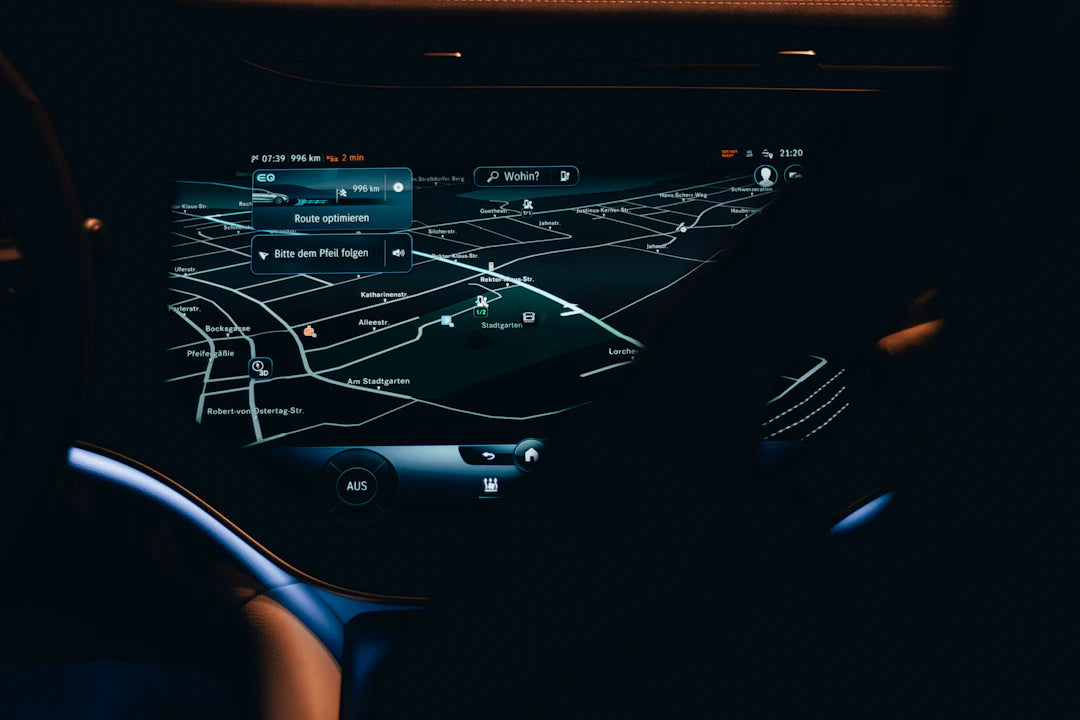
The automotive industry is rapidly adopting connected vehicle technology, which increases the importance of cybersecurity. As vehicles become more integrated with the internet, they face significant cyber threats, including hacking, data theft, and malware attacks. Ensuring robust cybersecurity is crucial for consumer safety, maintaining trust, and complying with regulations. Best practices for manufacturers include implementing strong security protocols, conducting regular audits, using encryption, and having incident response plans. The future of connected vehicles relies on collaboration among stakeholders, advanced technologies, and public awareness to create a secure driving experience.
Table of Contents
- Understanding Connected Vehicles
- The Rise of Cyber Threats
- The Importance of Cybersecurity in Connected Vehicles
- Safety First
- Consumer Trust
- Regulatory Compliance
- Best Practices for Cybersecurity in Connected Vehicles
- Implement Robust Security Protocols
- Conduct Regular Security Audits
- Utilize Encryption
- Establish Incident Response Plans
- The Future of Connected Vehicles and Cybersecurity
- Increased Collaboration between Stakeholders
- Advanced AI and Machine Learning Applications
- Public Awareness and Education
- Building a Cybersecure Driving Experience
Key Takeaways
- Connected vehicles leverage internet connectivity and IoT technologies, enhancing navigation and real-time traffic updates.
- Cybersecurity threats include hacking, data theft, malware attacks, and denial of service, posing risks to safety and data integrity.
- Manufacturers must prioritize cybersecurity to ensure consumer safety, maintain brand reputation, and comply with regulatory standards.
- Implementing robust security protocols throughout the vehicle lifecycle is essential for safeguarding against cyber threats.
- Regular security audits help identify vulnerabilities, enabling timely patches and updates to enhance defenses.
- Collaboration among automakers, tech providers, and cybersecurity experts is crucial for developing comprehensive security solutions.
- Consumer education on security features and safe usage guidelines is vital for promoting awareness and trust in connected vehicles.
The automotive industry is undergoing a transformative era with the rapid adoption of connected vehicle technology. As vehicles become increasingly integrated with internet connectivity and advanced data systems, the importance of robust cybersecurity measures cannot be overstated. In this blog post, we will explore the significance of cybersecurity in connected vehicles, highlighting potential risks, best practices, and the influence on consumer safety and trust.
Understanding Connected Vehicles
Connected vehicles are equipped with internet access and IoT (Internet of Things) technologies, enabling communication between the car, its passengers, and external systems. This connectivity provides numerous benefits, including enhanced navigation, real-time traffic updates, remote diagnostics, and advanced driver-assistance systems (ADAS). However, it also exposes vehicles to cybersecurity threats.
The Rise of Cyber Threats
With the integration of sophisticated software and network systems, the automotive landscape has become increasingly attractive to cybercriminals. Potential threats include:
- Hacking: Unauthorized access to a vehicle’s systems can lead to significant safety issues and personal data breaches.
- Data Theft: Vehicles collect vast amounts of data, from user behavior to location information. This data can be exploited if not adequately protected.
- Malware Attacks: Embedded systems in cars may be infected with malware, resulting in software failures or compromised functionalities.
- Denial of Service (DoS): Attackers can disrupt services, making essential systems inoperable and risking passenger safety.
The Importance of Cybersecurity in Connected Vehicles
The significance of cybersecurity in connected vehicles extends to various aspects, including consumer safety, brand reputation, and regulatory compliance. Let’s delve deeper into why cybersecurity should be a priority for manufacturers and consumers alike.
Safety First
The primary reason cybersecurity is paramount in connected vehicles is the safety of drivers and passengers. A compromised vehicle can lead to severe accidents, causing injuries and fatalities. Enhancing security measures can significantly reduce the risk of cyberattacks that could tamper with critical driving functionalities, such as braking systems, steering controls, and autonomous driving technologies.
Consumer Trust
As vehicles become more connected, consumer trust becomes a vital component for manufacturers. A single high-profile cyber incident can tarnish the trustworthiness of a brand, causing consumers to rethink their choices. Companies must prioritize cybersecurity initiatives to not only safeguard their systems but also to assure customers that their personal data and safety are in good hands.
Regulatory Compliance
With increasing concern over data security and vehicle safety, governments worldwide are implementing stricter regulations regarding cybersecurity in the automotive sector. These regulations may require manufacturers to meet specific standards for data protection and risk management. Compliance is not just a legal obligation; it also demonstrates a commitment to consumer safety and corporate responsibility.
Best Practices for Cybersecurity in Connected Vehicles
In order to safeguard connected vehicles from potential cyber threats, manufacturers and stakeholders must adopt best practices. Here are some key recommendations:
Implement Robust Security Protocols
Automakers should develop and refine security protocols throughout the vehicle lifecycle, including design, development, production, and post-market support. This approach ensures that cybersecurity measures are integrated from the ground up.
Conduct Regular Security Audits
Regular security assessments help identify vulnerabilities within the vehicle's software and hardware systems. Automakers can implement patches and updates to strengthen their defenses against emerging threats.
Utilize Encryption
Encryption is a crucial tool in protecting sensitive data transmitted between connected vehicles and external systems. Proper encryption methods can help safeguard user information from interception by unauthorized parties.
Establish Incident Response Plans
Even with the best preventative measures in place, cyber incidents can occur. A well-defined incident response plan is vital to minimizing damage and ensuring swift recovery. This plan should include clear roles and responsibilities, communication strategies, and legal considerations.
The Future of Connected Vehicles and Cybersecurity
The future of connected vehicles hinges on the industry’s ability to innovate while securely managing the associated risks. As technology evolves, so too will the threats that target it. Here are some trends shaping the future landscape of connected vehicle cybersecurity:
Increased Collaboration between Stakeholders
Automakers, technology providers, and cybersecurity experts must work closely to develop comprehensive solutions that address security needs. This collaboration can foster innovation while building a more secure and resilient ecosystem.
Advanced AI and Machine Learning Applications
Artificial intelligence and machine learning are revolutionizing the way cybersecurity measures are developed and implemented. These technologies can rapidly analyze data, detect anomalies, and respond to threats in real-time, enhancing the overall security posture of connected vehicles.
Public Awareness and Education
Consumer education plays a significant role in promoting cybersecurity awareness. Manufacturers should proactively inform their customers about security features, data privacy practices, and safe usage guidelines for connected vehicles.
Building a Cybersecure Driving Experience
In summary, cybersecurity is a fundamental aspect of connected vehicles that can make or break the future of the automotive industry. As we embrace the benefits of innovative technology, prioritizing cybersecurity measures ensures that vehicles remain safe, reliable, and trustworthy. By adopting best practices, complying with regulations, and fostering collaboration between stakeholders, the industry can contribute to a safer driving experience for everyone.
As we venturing into this brave new world of connected vehicles, remember: the key to progress is not just innovation but innovation that is secure and responsible. Let’s drive towards a future where safety and technology go hand in hand, providing consumers with the confidence they truly deserve.
Frequently Asked Questions
1. What are connected vehicles?
2. What cybersecurity threats do connected vehicles face?
3. Why is cybersecurity important in connected vehicles?
4. What are some best practices for cybersecurity in connected vehicles?
5. How is the future of connected vehicle cybersecurity evolving?
Glossary
| Term | Meaning |
|---|---|
| Connected Vehicles | Cars equipped with internet access and IoT technologies for enhanced communication. |
| Cybersecurity | Measures taken to protect vehicles from cyber threats and unauthorized access. |
| Hacking | Unauthorized access to a vehicle's systems, posing safety and data risks. |
| Data Theft | Exploitation of collected data from vehicles, including user behavior and location. |
| Malware Attacks | Infections that compromise vehicle software, leading to failures or malfunctions. |
| Denial of Service (DoS) | Attacks that disrupt essential vehicle systems, risking passenger safety. |
| Encryption | Technique used to protect sensitive data transmitted between vehicles and systems. |
| Incident Response Plans | Strategies for minimizing damage and recovering from cyber incidents. |
| Regulatory Compliance | Adhering to laws and standards for data protection and vehicle safety. |
| AI and Machine Learning | Technologies used to enhance cybersecurity by analyzing data and detecting threats. |