
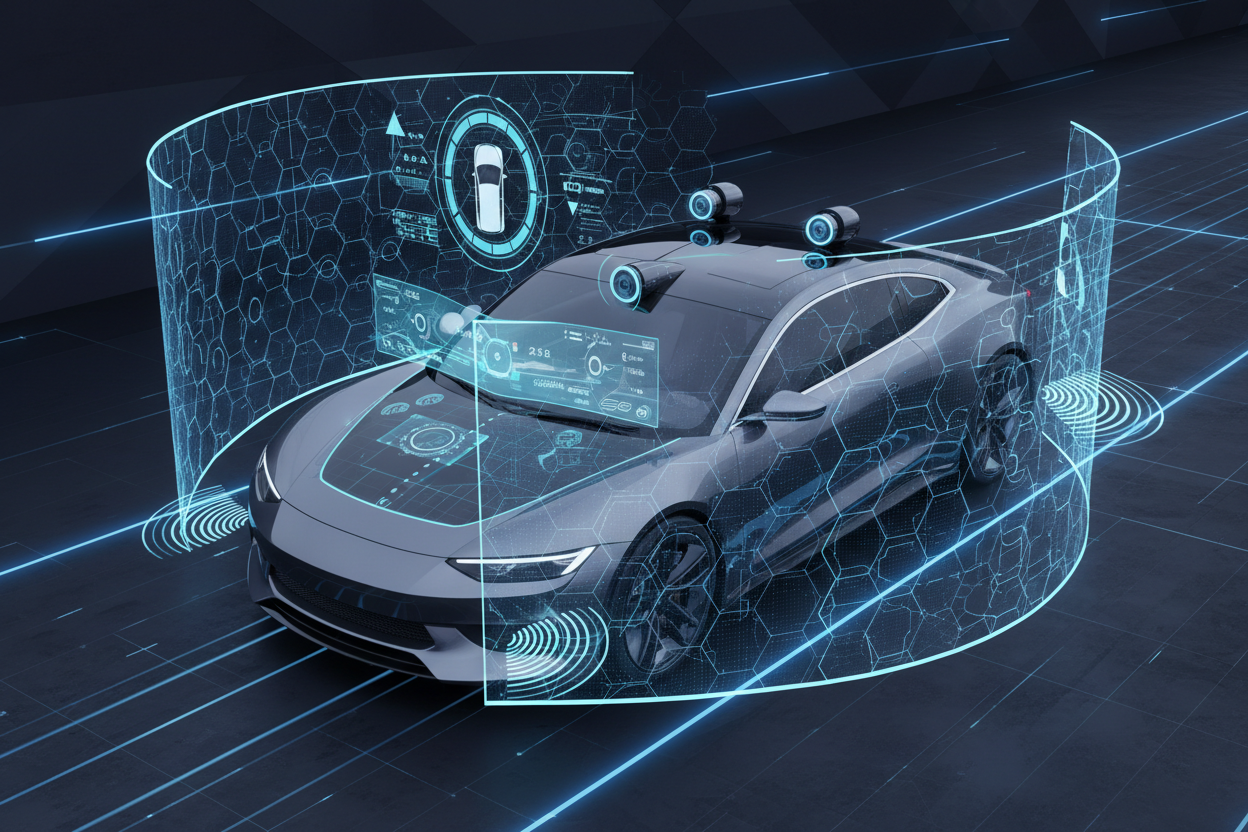
Overview
The blog explores the rapid evolution of car safety features driven by technology, highlighting advancements like Advanced Driver-Assistance Systems (ADAS), Vehicle-to-Everything (V2X) communication, and autonomous vehicles. It discusses the importance of cybersecurity, the integration of sustainability in electric vehicles, and the role of data analytics in predicting and preventing accidents. Emphasizing the need for driver education on safety features, the article concludes that the future of car safety looks promising with smarter and more efficient vehicles.
Table of Contents
- The Road to Safer Vehicles
- Advanced Driver-Assistance Systems (ADAS)
- Vehicle-to-Everything (V2X) Communication
- Autonomous Vehicles: The Future of Driving
- LiDAR and Sensor Technology
- Safety Protocols and Regulations
- The Rise of Cybersecurity in Vehicle Safety
- Protecting Connected Vehicles
- Embracing Sustainability and Safety Innovations
- Unique Safety Challenges for Electric Vehicles
- The Role of Data Analytics in Enhancing Safety
- Predictive Analytics
- Integrating Safety Education in the Driver’s Experience
- Interactive Learning
- Embracing the Future of Car Safety
Key Takeaways
- Advanced Driver-Assistance Systems (ADAS) enhance vehicle safety through features like Adaptive Cruise Control, Lane Departure Warning, and Automatic Emergency Braking.
- Vehicle-to-Everything (V2X) Communication improves road safety by allowing vehicles to share information about hazards and optimizing traffic flow.
- Autonomous Vehicles utilize LiDAR and sensor technology for 360-degree vision and real-time decision-making, significantly reducing human error in driving.
- Cybersecurity is critical as connected vehicles face risks; manufacturers are implementing encrypted communications and regular software updates to protect against threats.
- Sustainability in electric vehicles introduces unique safety challenges, such as battery safety and silent operation alerts for pedestrians.
- Data Analytics enhances safety by predicting potential issues through vehicle performance monitoring and driver behavior analysis.
- Driver Education is essential; integrating interactive learning tools can help drivers understand and effectively use advanced safety features.
As we drive into a future dominated by technology and innovation, the landscape of car safety features is evolving rapidly. Whether you're a car enthusiast, a parent with young children, or simply someone who wants to stay protected while on the road, understanding these advancements is crucial. In this article, we will explore the trends, innovations, and expectations of car safety features that are shaping the future of driving. Let’s take a closer look!
The Road to Safer Vehicles
The automobile industry has always prioritized safety, but technological advancements are pushing the boundaries further. As we witness the rise of smart cars, connectivity, and artificial intelligence, the safety features integrated into vehicles are becoming smarter and more reliable. Here, we will delve into some key advancements in car safety features.
Advanced Driver-Assistance Systems (ADAS)
One of the most significant advancements in car safety technology comes from Advanced Driver-Assistance Systems, commonly referred to as ADAS. These systems utilize a combination of sensors, cameras, and radar to enhance the driver's control and improve road safety. Here are some common features associated with ADAS:
- Adaptive Cruise Control: This maintains a safe distance from the vehicle ahead and adjusts the speed automatically.
- Lane Departure Warning: Alerts drivers when they unintentionally drift out of their lane.
- Automatic Emergency Braking: Engages the brakes if a potential collision is detected.
As we move forward, we can expect ADAS to become more sophisticated, utilizing machine learning algorithms to adapt and respond to various driving conditions.
Vehicle-to-Everything (V2X) Communication
The advancement of connectivity will usher in the era of Vehicle-to-Everything (V2X) communication. This technology allows vehicles to communicate with each other and with infrastructure such as traffic lights and road signs. The potential benefits of V2X technology include:
- Reduced Accidents: Vehicles can share information about hazards, enabling drivers to react more quickly.
- Improved Traffic Flow: This technology can optimize traffic lights and suggest alternate routes to reduce congestion.
- Enhanced Navigation: Real-time updates regarding driving conditions can significantly improve navigation systems.
As this technology expands, we can anticipate a safer and more efficient driving experience.
Autonomous Vehicles: The Future of Driving
Autonomous vehicles represent a significant leap in the evolution of car safety features. While still in the development phase, self-driving cars promise a future where human error, the leading cause of accidents, is drastically reduced. Here are the key aspects associated with autonomous vehicle safety:
LiDAR and Sensor Technology
Self-driving cars rely heavily on LiDAR (Light Detection and Ranging) and various sensors to understand their surroundings. These technologies offer detailed maps of the vehicle's environment, allowing for precise navigation.
- 360-Degree Vision: A combination of cameras and sensors provides a full view of the car’s surroundings.
- Object Recognition: Advanced algorithms recognize pedestrians, other vehicles, and obstacles.
- Real-Time Decision Making: Autonomous vehicles can process vast amounts of information in milliseconds to make safe driving decisions.
Safety Protocols and Regulations
As technological advancements accelerate, regulations surrounding autonomous vehicle safety will also evolve. Manufacturers will need to adhere to strict guidelines ensuring that these vehicles are safe for public use.
Expect to see comprehensive testing protocols that must be satisfied before releasing autonomous vehicles into mainstream use. Collaboration between government bodies and automotive manufacturers will play a crucial role in ensuring the safe integration of self-driving technology.
The Rise of Cybersecurity in Vehicle Safety
As cars become increasingly connected, the risk of cyber threats also rises. Ensuring cybersecurity is now a paramount concern in the realm of car safety. Hackers could potentially gain access to a vehicle's systems, which poses serious safety risks.
Protecting Connected Vehicles
To safeguard against these threats, manufacturers are implementing advanced cybersecurity measures, including:
- Encrypted Communications: Data transmitted between the vehicle and external networks will be encrypted to prevent unauthorized access.
- Regular Software Updates: Similar to smartphones, regular updates will address vulnerabilities and improve security.
- Incident Response Protocols: Establishing protocols to swiftly address any identified breaches.
As cybersecurity continues to evolve, vehicles will become more secure against potential threats, ensuring that safety features remain effective and reliable.
Embracing Sustainability and Safety Innovations
With the growing focus on environmentally friendly solutions, the automotive industry is integrating sustainability into safety measures. As electric vehicles (EVs) become more popular, new safety features are being designed specifically for these technologies.
Unique Safety Challenges for Electric Vehicles
Electric vehicles introduce safety challenges that require innovative solutions. As these vehicles become more prevalent, manufacturers will focus on:
- Battery Safety: Implementing robust housing and cooling systems to prevent battery fires and ensure structural integrity.
- Silent Operation: Because EVs are quieter than traditional cars, new features are being developed to alert pedestrians of their approach.
- Charging Safety: Enhanced systems to monitor and manage electrical hazards during charging operations.
Investing in the safety of electric vehicles is vital as they become a staple on our roads, ensuring that they are just as safe as their gasoline counterparts.
The Role of Data Analytics in Enhancing Safety
Data analytics is becoming a cornerstone in improving vehicle safety. Every journey generates valuable data that can help identify patterns and potential risks. Here’s how data analytics will change car safety features:
Predictive Analytics
By analyzing data collected from various sensors, manufacturers can predict potential issues before they become dangerous. This involves:
- Vehicle Performance Monitoring: Regular checks on vehicle systems to predict and address mechanical failures.
- Driver Behavior Analysis: Examining driving patterns to identify and rectify risky behaviors.
- Traffic Pattern Insights: Utilizing historical data to foresee high-risk driving areas and times.
This proactive approach ensures that safety systems are not only reactive but are also designed to prevent accidents before they happen.
Integrating Safety Education in the Driver’s Experience
As technology evolves, educating drivers about safety features becomes essential. Modern vehicles are equipped with features that novice drivers may not fully understand. Thus, integrating safety education into the driving experience can have a significant impact.
Interactive Learning
Advanced infotainment systems can provide interactive tutorials on how to use safety features effectively. Options might include:
- Virtual Reality Training: Offering immersive experiences that simulate driving under various conditions to practice using safety features.
- In-Car Tutorials: Ensuring drivers are well-informed about safety features and their functions through guided tours.
- Driver Feedback Systems: Providing post-trip analyses to highlight strengths and areas for improvement in driving habits.
Educating drivers not only enhances their safety but also encourages them to make the best use of available technologies.
Embracing the Future of Car Safety
The future of car safety features is incredibly promising as innovations continue to evolve and reshape what we used to consider safe driving. With advancements in technology, the integration of data analytics, and a commitment to sustainability, drivers will experience unparalleled levels of protection and safety. Keeping abreast of these changes is essential for anyone who drives today. As we steer into the future, we can expect an era of safer, smarter, and more efficient vehicles on our roads.
The journey towards enhanced vehicle safety is not just a goal but a commitment to reducing accidents and saving lives. By staying informed and prepared for these changes, we can all contribute to making our roads a safer place.
Frequently Asked Questions
1. What are Advanced Driver-Assistance Systems (ADAS)?
2. How does Vehicle-to-Everything (V2X) communication improve road safety?
3. What role do autonomous vehicles play in car safety?
4. What cybersecurity measures are being implemented in connected vehicles?
5. How can data analytics enhance vehicle safety features?
Glossary
| Term | Meaning |
|---|---|
| ADAS | Advanced Driver-Assistance Systems that enhance vehicle safety. |
| V2X | Vehicle-to-Everything communication for improved traffic safety. |
| LiDAR | Light Detection and Ranging technology for navigation in autonomous vehicles. |
| Cybersecurity | Protection against cyber threats in connected vehicles. |
| Predictive Analytics | Using data to foresee and prevent potential safety issues. |
| Battery Safety | Measures to prevent battery fires in electric vehicles. |
| Interactive Learning | Educational tools integrated into vehicles for driver safety. |
| Adaptive Cruise Control | Automatically adjusts speed to maintain a safe distance from other vehicles. |
| Automatic Emergency Braking | Engages brakes to prevent collisions when necessary. |
| Lane Departure Warning | Alerts drivers when they unintentionally drift from their lane. |