Overview
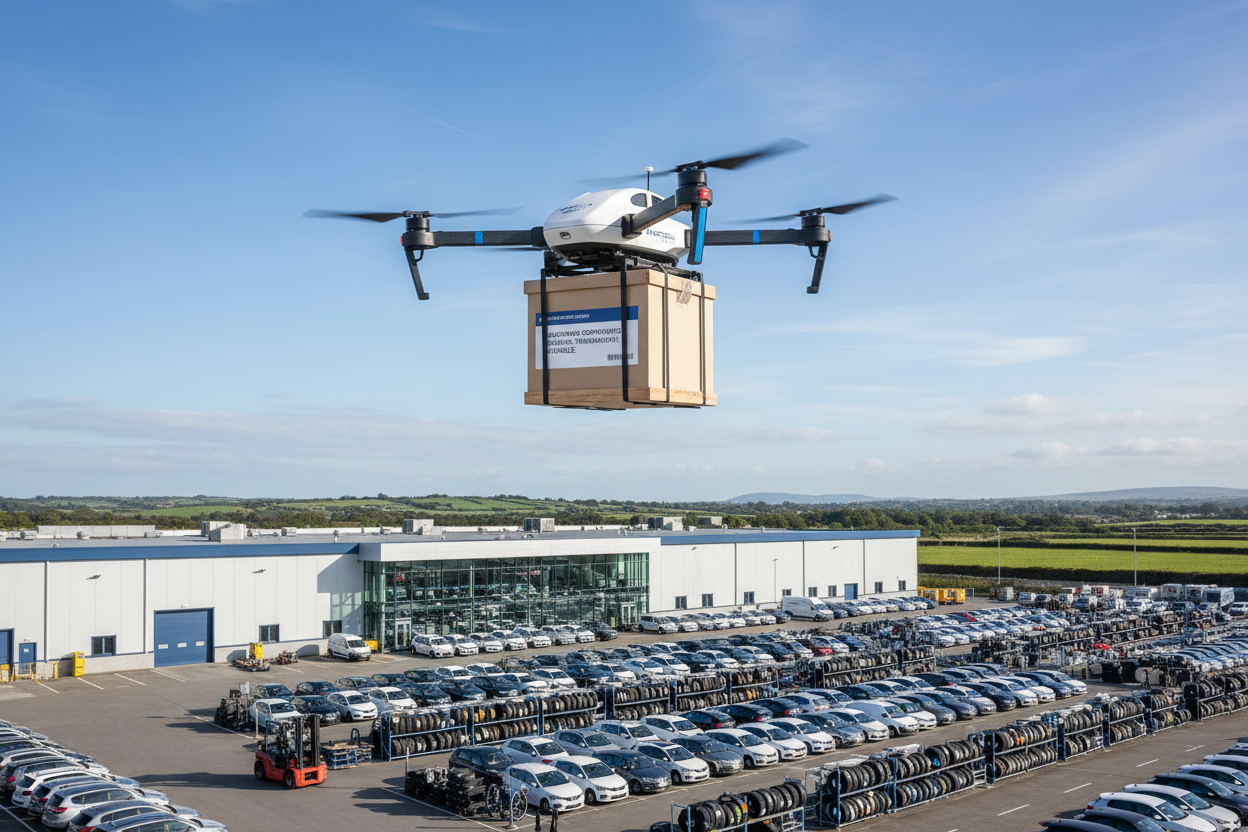
Drones are transforming automotive logistics by improving delivery speed, cost-efficiency, and accessibility. They streamline inventory management, enhance last-mile deliveries, and facilitate immediate access to replacement parts. Despite challenges like regulatory compliance and technical limitations, the future of drone logistics includes integration with autonomous vehicles and increased automation through AI, promising significant advantages for the automotive industry.
Table of Contents
- The Rise of Drones in Logistics
- The Impact on Automotive Supply Chains
- Streamlined Inventory Management
- Last-Mile Deliveries
- Enhancing Vehicle Maintenance and Repair Services
- Immediate Access to Replacement Parts
- Real-Time Monitoring and Inspection
- Data Collection and Analytics
- Overcoming Challenges in Drone Logistics
- Regulatory Compliance
- Technical Limitations
- Future Trends in Drone Logistics
- Integration with Autonomous Vehicles
- Increased Automation and AI
- Conclusion: Accelerating Towards the Future
Key Takeaways
- Drones enhance delivery speed by bypassing traffic and providing direct routes to destinations.
- Cost-effective solutions are offered by drones, particularly for last-mile deliveries, reducing reliance on traditional vehicles.
- Inventory management is improved through drones equipped with sensors, allowing for real-time stock updates and fewer human errors.
- Last-mile delivery challenges are addressed as drones can quickly deliver parts to service centers and customers, minimizing downtime.
- Real-time vehicle monitoring enhances maintenance capabilities, allowing businesses to proactively address vehicle conditions.
- Data collection and analytics from drone operations provide insights that improve decision-making and customer experiences.
- Regulatory compliance is crucial for drone integration, requiring companies to navigate regional aviation laws and obtain necessary licenses.
Frequently Asked Questions
1. How are drones improving automotive logistics?
2. What advantages do drones have over traditional delivery methods in logistics?
3. In what ways can drones assist with vehicle maintenance and repair services?
4. What challenges do companies face when implementing drone technology in logistics?
5. What future trends in drone logistics are anticipated?
The automotive industry is undergoing a significant transformation, with technology paving the way for new innovations that enhance efficiency, reduce costs, and improve customer satisfaction. One of the most exciting developments in this sector is the use of drones in automotive logistics. As logistics play a crucial role in ensuring timely deliveries and maintaining an efficient supply chain, the incorporation of drone technology is proving to be a game-changer. In this article, we explore how drones are changing automotive logistics and the implications for the industry.
The Rise of Drones in Logistics
Over the past decade, drones have evolved from being a novelty gadget to a vital tool in various industries. The logistics sector is no exception. Drones provide several advantages over traditional delivery methods, including:
- Speed: Drones can significantly reduce delivery times by bypassing traffic and navigating directly to a destination.
- Cost-Efficiency: Operating drones can be more economical than using trucks or vans, particularly for last-mile deliveries.
- Accessibility: Drones can reach remote locations that may be challenging for traditional vehicles.
- Reduction in Carbon Footprint: Many drones are electric, offering a greener alternative to combustion engine vehicles.
The Impact on Automotive Supply Chains
As the automotive industry continuously adapts to meet growing consumer demands, supply chains have to become more agile and responsive. Drones are enhancing automotive supply chains in numerous ways:
Streamlined Inventory Management
One crucial aspect of automotive logistics is inventory management. Drones equipped with advanced sensors and cameras can conduct quick and efficient inventory checks. By automating this process, drone technology minimizes human error, reduces the time spent on inventory audits, and allows for real-time updating of stock levels.
Last-Mile Deliveries
The last mile of logistics is often the most challenging and costly part of the supply chain. Drones offer a solution to this problem by providing a fast and efficient method for last-mile deliveries. With the ability to deliver parts and components directly to service centers, dealerships, or even customers, drones ensure that critical supplies are always on hand, reducing downtime for repairs and enhancing customer service.
Enhancing Vehicle Maintenance and Repair Services
Automotive businesses, particularly those involved in maintenance and repair, can greatly benefit from the integration of drones. Here are some of the ways this technology can enhance services:
Immediate Access to Replacement Parts
In scenarios requiring urgent repairs, delays in obtaining replacement parts can lead to unhappy customers and lost revenue. Drones can facilitate rapid delivery of parts, ensuring that maintenance and repair facilities can promptly address customer vehicles without the waiting game.
Real-Time Monitoring and Inspection
Drones equipped with high-resolution cameras can also be used for conducting inspections on vehicles, particularly in fleet management. By providing real-time monitoring of vehicles and their conditions, businesses can proactively address maintenance needs and prevent potential breakdowns, ultimately improving reliability and customer satisfaction.
Data Collection and Analytics
The integration of drones into automotive logistics is not just about physical delivery; it's also about gathering valuable data. The use of drones allows logistics companies to collect data on operational efficiency and vehicle conditions, which can then be analyzed for performance optimization. Companies who implement analytics can expect to see:
- Improved Decision Making: Access to key performance indicators can help managers make informed decisions about inventory levels and resource allocation.
- Predictive Maintenance: Data gathered from drones can indicate when a vehicle is due for servicing, allowing for preventative check-ups and functional longevity.
- Enhanced Customer Insights: Analyzing data on delivery patterns can help businesses better understand their customers’ needs, leading to improved customer experiences.
Overcoming Challenges in Drone Logistics
Despite their advantages, implementing drone technology in automotive logistics does come with challenges. These include regulatory hurdles, technological limitations, and the need for skilled operators. However, the industry is adapting to these challenges:
Regulatory Compliance
The use of drones is subject to strict regulations that vary by region. Companies looking to incorporate drones into their logistics strategies must ensure compliance with aviation laws, which may involve obtaining licenses and adhering to operational restrictions. Many businesses are collaborating with regulatory bodies to advocate for frameworks that support the integration of drone technology.
Technical Limitations
Battery life, payload capacity, and navigation issues remain technical challenges faced by drone operators. While technology continues to advance, companies must align their drone fleets with the specific needs of their logistics operations. Regular upgrades and technological investments are key to overcoming these limitations.
Future Trends in Drone Logistics
As drone technology continues to evolve, several future trends are emerging that will further shape the automotive logistics landscape:
Integration with Autonomous Vehicles
One of the most revolutionary trends on the horizon is the combination of drone technology with autonomous vehicles. This integration can generate a seamless logistics experience where drones handle deliveries while ground vehicles manage heavier freight transport, optimizing the entire supply chain process.
Increased Automation and AI
The future will likely see heightened automation in logistics operations, driven by artificial intelligence. AI can optimize drone flight paths, predict demand surges, and manage logistics in real-time, rendering supply chains more robust and responsive.
Conclusion: Accelerating Towards the Future
The integration of drones in automotive logistics undoubtedly holds tremendous potential. As the industry gears up for change, companies that embrace drone technology stand to benefit significantly. By streamlining operations, enhancing customer service, and collecting valuable data, drones are not just a passing trend; they are the future of automotive logistics. Embrace innovation today, and rev up your logistics strategy with aerial delivery to stay ahead of the competition!
Glossary
| Term | Meaning |
|---|---|
| Drones | Unmanned aerial vehicles used for deliveries and logistics. |
| Last-Mile Delivery | The final step of the delivery process to the customer. |
| Inventory Management | Process of overseeing and controlling inventory levels. |
| Carbon Footprint | The total greenhouse gas emissions caused by an entity. |
| Predictive Maintenance | Proactive servicing based on data analysis to prevent breakdowns. |
| Regulatory Compliance | Adhering to laws and regulations governing drone use. |
| Autonomous Vehicles | Self-driving vehicles that operate without human intervention. |
| Data Collection | Gathering information for analysis and decision-making. |
| Supply Chain | The entire system of production, processing, and delivery. |
| AI (Artificial Intelligence) | Technology that simulates human intelligence in machines. |
