Overview
The future of car design is being shaped by concept cars that blend innovation, sustainability, and consumer expectations. Key trends include the rise of electric vehicles, autonomous driving technology, and eco-friendly materials. Manufacturers are focusing on user-centric designs, advanced connectivity features, and customization options to meet soaring consumer demands. As technology advances, the automotive industry is set for a transformative shift towards greener, smarter, and more personalized vehicles.
Table of Contents
- The Exciting World of Concept Cars
- What are Concept Cars?
- Trends Shaping Future Car Design
- Electric Vehicles (EVs)
- Autonomous Driving Technology
- Innovative Materials
- The Role of Technology in Car Design
- Augmented Reality (AR) and Virtual Reality (VR)
- 3D Printing
- Eco-friendly Innovations
- Sustainable Energy Solutions
- Hydrogen Fuel Cells
- The Intersection of Design and Customer Expectations
- Emphasis on Connectivity
- Consumer-Centric Design
- Sky-High Expectations: The Future of Custom Cars
Key Takeaways
- Concept cars serve as prototypes that showcase new design ideas and technologies, often displayed at exhibitions to gauge public interest.
- Electric vehicles (EVs) are leading the charge in automotive design, focusing on sustainability and innovative aesthetics.
- Autonomous driving technology is reshaping car interiors, allowing for flexible seating arrangements and user-centric interfaces.
- 3D printing is revolutionizing prototyping, enabling rapid iterations and customization while reducing material waste.
- Eco-friendly innovations like hydrogen fuel cells and advanced battery technology promise longer ranges and quicker refueling options for future vehicles.
- Consumer expectations are evolving, with a demand for connectivity features and personalized driving experiences becoming standard in modern car design.
- Manufacturers are embracing sustainability by exploring lightweight, biodegradable materials, which are crucial for the environment and vehicle performance.
As we drive into the future, car design faces a revolution that combines aesthetic appeal, technological advancements, and environmental consciousness. Concept cars are not just the vehicles of tomorrow; they embody the imagination and innovation of the automotive industry. In this blog post, we’ll explore the exciting world of concept cars and the innovations that are shaping the future of automotive design.
The Exciting World of Concept Cars
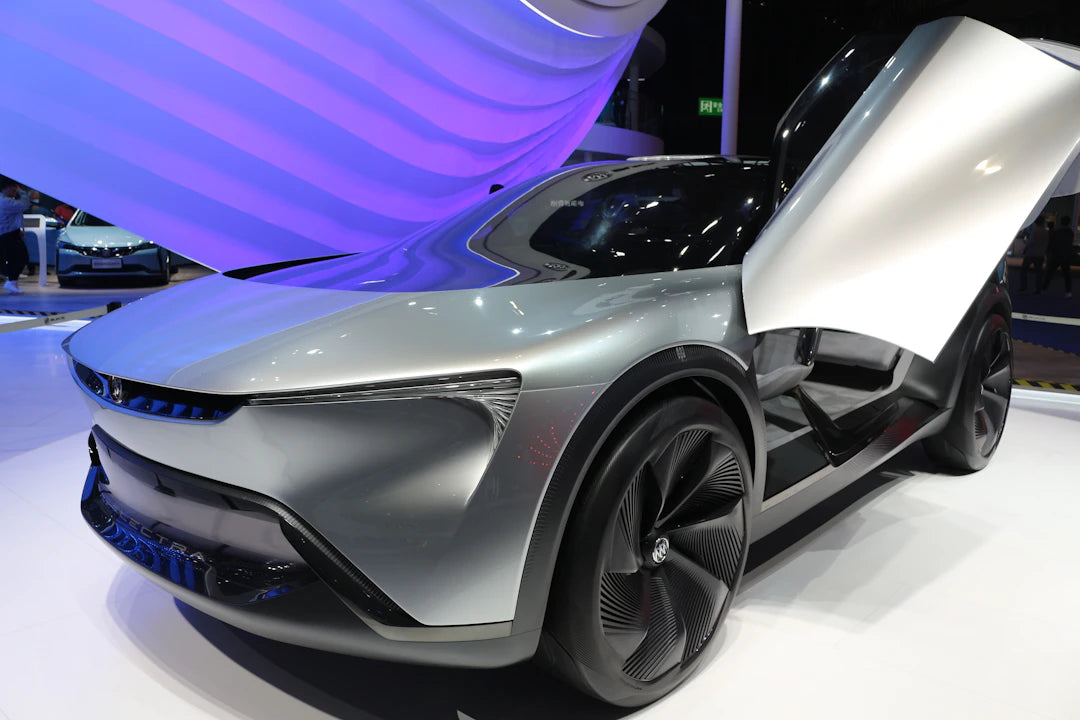
Concept cars serve as a blueprint for future models and often showcase the potential of automotive technology. These vehicles, usually created for exhibitions and trade shows, allow manufacturers to explore design trends and technologies without the pressures of immediate production or regulatory constraints.
What are Concept Cars?
Essentially, concept cars are prototypes that display new design ideas, technologies, and features that may or may not make it to production. They often push the boundaries of creativity and engineering, testing the limits of what is possible in automotive design.
Manufacturers utilize these vehicles to gauge public interest, conduct market research, and inspire their design teams. In many instances, consumer feedback can result in rapid iterations and improvements in the final produced models.
Trends Shaping Future Car Design
The automotive industry is witnessing several key trends that promise to influence future car designs significantly. Let's delve into some of the most pivotal ones:
Electric Vehicles (EVs)
With a global shift toward sustainability, electric vehicles are at the forefront of future car design. Automakers are focusing on creating cars that run on renewable energy sources, which not only minimizes our carbon footprint but also offers innovative design possibilities!
- Redefined Aesthetics: Electric cars often have more streamlined shapes and fewer moving parts, allowing for unique forms and designs.
- Interior Spaces: With no need for traditional combustion engines, designers are reimagining interiors to be more spacious and versatile.
Autonomous Driving Technology
The rise of self-driving technology is revolutionizing car design. As the need for a driver’s seat diminishes, the interior layout can be completely transformed. Here are a few design elements influenced by autonomy:
- Flexible Seating Arrangements: Designers are exploring various seating configurations that encourage social interaction or relaxation.
- User-Centric Interfaces: The dashboard design could shift to focus more on infotainment and user experience, rather than traditional driving controls.
Innovative Materials
Media attention around sustainability isn’t just for battery technology; it extends to the materials used in car development. Manufacturers are actively searching for materials that are not only lightweight but also biodegradable or recyclable.
- Bio-Based Plastics: Derived from renewable resources, bio-plastics promise sufficient durability while maintaining a minimal carbon footprint.
- Composite Materials: Utilizing carbon fiber and other composites can significantly reduce vehicle weight, boosting efficiency and performance.
The Role of Technology in Car Design
Technological advancements have deeply influenced the way cars are designed. Let's unpack some of the game-changing technologies that are redefining the automotive landscape:
Augmented Reality (AR) and Virtual Reality (VR)
Both AR and VR technologies are revolutionizing the design process itself. They allow designers and engineers to visualize concepts in real-time, enhancing collaboration and creativity.
- Design Visualization: Teams can experience car models as if they were on the showroom floor, making modifications on the fly and visualizing changes instantly.
- User Experience Testing: Potential users can ‘sit’ in a virtual prototype, providing feedback on design aspects before actual production begins.
3D Printing
3D printing is rapidly evolving and is now seen as a vital tool in car design. This technology streamlines prototyping and allows for rapid iterations, which is crucial in a fast-paced industry.
- Customization: Brands can create highly customized components for individual consumer preferences, offering uniqueness in car features.
- Reduced Waste: The additive manufacturing process minimizes material waste compared to traditional manufacturing methods, making it more environmentally friendly.
Eco-friendly Innovations
As the automotive industry braces for a greener future, eco-friendly innovations are becoming essential in today’s car design. Here are some notable advancements:
Sustainable Energy Solutions
Battery technology is advancing rapidly, promising more efficient vehicles that require less charging time and possess higher travel ranges. As companies explore solar power integration and other renewable energy sources, the potential for sustainable design expands significantly.
Hydrogen Fuel Cells
Hydrogen fuel cells are becoming an attractive alternative. Future cars may harness this clean energy source, producing only water vapor as a byproduct. The design implications of this technology include:
- Longer Range: Vehicles could potentially achieve longer distances on a single tank of hydrogen compared to current electric models.
- Quick Refueling: Just like traditional gasoline, hydrogen refueling can be completed in a matter of minutes, providing more versatility.
The Intersection of Design and Customer Expectations
As the automotive landscape evolves, the design will increasingly intersect with consumer expectations. Here’s how manufacturers are aligning their visions with what customers desire:
Emphasis on Connectivity
Today's consumers expect cars to be more than just a mode of transportation; they expect vehicles to be smart devices on wheels. With the integration of connectivity features, automotive design must now incorporate:
- Information Technology: Features such as advanced infotainment systems, navigation, and vehicle-to-vehicle communication are becoming standard.
- Smart Safety Features: Autonomous emergency braking, lane assist, and adaptive cruise control are among the features enhancing driving safety.
Consumer-Centric Design
Modern customers desire more than just performance; they want a personalized driving experience. This is why manufacturers are focusing on:
- Customizable Interiors: Offering modular options so buyers can personalize seating arrangements, technology interfaces, and even ambient lighting.
- Enhanced User Experience: Provides intuitive interfaces that seamlessly blend with customers' everyday technology, making them feel at home.
Sky-High Expectations: The Future of Custom Cars
As we gaze into the future of car design, it is clear that consumer expectations are soaring. With innovations in sustainability, technology, and personalization, manufacturers are crafting vehicles that reflect not just advancements in engineering but also a keen understanding of customer desires. The cars of tomorrow will likely represent a paradigm shift towards a more integrated, user-friendly, and eco-conscious experience.
In the realm of automotive design, concept cars exemplify the marriage between fantasy and functionality. As stakeholders in the industry, we must embrace the endless potential that lies in innovation while keeping the heartbeat of consumers at the center of our aspirations. Prepare for a not-so-distant future that combines the thrill of driving with the satisfaction of sustainable living!
Frequently Asked Questions
1. What are concept cars?
2. How are electric vehicles influencing car design?
3. What role do augmented reality and virtual reality play in car design?
4. What are some eco-friendly innovations in car design?
5. How are consumer expectations shaping the future of car design?
Glossary
| Term | Meaning |
|---|---|
| Concept Cars | Prototypes showcasing innovative designs and technologies for future models. |
| Electric Vehicles (EVs) | Cars powered by renewable energy, reducing carbon footprints. |
| Autonomous Driving | Self-driving technology that changes traditional car layouts. |
| Bio-Based Plastics | Durable materials made from renewable resources, minimizing environmental impact. |
| 3D Printing | Manufacturing technique allowing rapid prototyping and customization. |
| Sustainable Energy Solutions | Advancements in battery tech for more efficient and longer-range vehicles. |
| Hydrogen Fuel Cells | Clean energy source producing only water vapor, enabling longer ranges. |
| Smart Safety Features | Advanced technologies enhancing vehicle safety, like lane assist. |
| Consumer-Centric Design | Car designs tailored to individual preferences and user experiences. |
| Augmented Reality (AR) | Technology enhancing design visualization and collaboration in car development. |
