
Overview
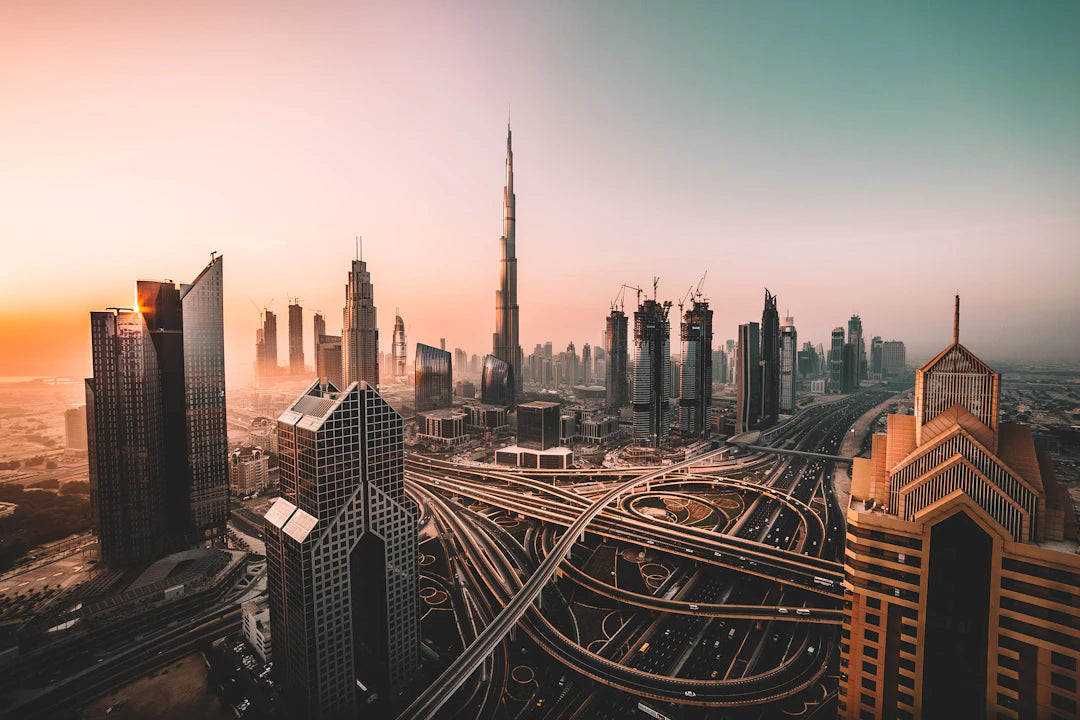
Smart cities are transforming urban environments and influencing automotive design by integrating technology for efficiency, sustainability, and connectivity. Key impacts include the rise of connected vehicles, autonomous features, electric vehicle adoption, and enhanced public transportation systems. As technology evolves, automotive design will focus on personalization, co-creation with users, and resilience against urban challenges, reshaping mobility for the future.
Table of Contents
- What Are Smart Cities?
- The Impact of Connectivity on Automotive Design
- 1. Integrated Communication Systems
- 2. Autonomous Vehicle Features
- Sustainability in Smart Automotive Design
- 1. Electric Vehicles (EVs)
- 2. Lightweight Materials
- The Role of Public Transport in Smart Cities
- 1. Multi-Modal Platforms
- 2. Smart Traffic Solutions
- Designing for Resilience and Safety
- 1. Emergency Response Features
- 2. Enhanced Safety Features
- The Future of Smart City Automotive Designs
- 1. Personalization Through Data
- 2. Co-Creation with Users
- The Road Ahead: A Fusion of Innovation and Urban Living
Key Takeaways
- Smart cities leverage technology to enhance urban living through connected infrastructure and data-driven decision-making.
- Automotive design is evolving to incorporate integrated communication systems, enabling vehicles to share real-time data with city infrastructure.
- Autonomous vehicles are being accelerated by smart city developments, necessitating designs that prioritize urban safety and navigation.
- Sustainability is a key focus in automotive design, with electric vehicles and lightweight materials being prioritized to reduce emissions and energy consumption.
- Public transport integration is reshaping vehicle design, encouraging multi-modal platforms that facilitate seamless transitions between personal and public transport.
- Resilience and safety features are essential in urban automotive design, with a focus on emergency response capabilities and advanced safety technologies.
- Future designs will emphasize personalization through data collection, allowing for customizable features and user engagement in the design process.
Frequently Asked Questions
1. What are smart cities?
2. How does connectivity impact automotive design?
3. What role do electric vehicles play in smart city initiatives?
4. How do smart cities affect public transport and automotive design?
5. What trends can we expect in the future of automotive design influenced by smart cities?
As the world evolves, so do our cities and the vehicles we drive. The concept of smart cities is transforming urban landscapes, making them more efficient, sustainable, and connected. This evolution not only enhances the urban experience for residents but also significantly influences automotive design. In this blog post, we’ll explore the interaction between smart cities and automotive design, examining how these advancements pave the way for a new kind of mobility.
What Are Smart Cities?
Smart cities utilize technology to improve quality of life for their residents. Through the integration of advanced communication technologies and data analysis, these cities can manage resources more efficiently. The essence of a smart city revolves around:
- Connected infrastructure
- Data-driven decision making
- Sustainability initiatives
- Enhanced public services
From intelligent traffic management systems to eco-friendly public transport, smart city initiatives are gradually reshaping the way we think about urban environments and the vehicles that navigate them.
The Impact of Connectivity on Automotive Design
With the rise of the Internet of Things (IoT), vehicles are no longer standalone entities; they are becoming central components of a larger network. This connectivity is influencing automotive design in several innovative ways:
1. Integrated Communication Systems
Modern vehicles are now equipped with sophisticated communication systems that allow them to share real-time data with both drivers and city infrastructure. This capability informs vehicle design, leading to:
- Advanced user interfaces that display real-time traffic updates
- Vehicle-to-everything (V2X) communication
- Smart navigation systems optimized for traffic flow
2. Autonomous Vehicle Features
The proliferation of smart cities is accelerating the development of autonomous vehicles. Automotive design is adapting by emphasizing:
- Enhanced sensor technology
- Automated driving systems
- Safety mechanisms tailored for urban environments
As smart cities create infrastructures that support autonomous driving, manufacturers must adapt their designs to fulfill emerging needs such as pedestrian safety and navigation through complex urban layouts.
Sustainability in Smart Automotive Design
With urban areas facing significant challenges related to pollution and resource depletion, the emphasis on sustainability in automotive design has never been greater. Smart cities promote green technologies, which fundamentally influences how vehicles are conceived:
1. Electric Vehicles (EVs)
The adoption of electric vehicles is being bolstered by the infrastructure of smart cities, such as:
- Widespread EV charging stations integrated within urban design
- Incentives for consumers to transition to greener options
- Policies aimed at reducing emissions
Automakers are responding by designing aesthetically pleasing and efficient vehicles that successfully compete with traditional gasoline models.
2. Lightweight Materials
To maximize energy efficiency, automotive manufacturers are increasingly using lightweight materials. This trend is driven by the sustainability objectives of smart cities, leading to vehicles that:
- Consume less energy
- Reduce overall emissions
- Utilize recyclable materials
The Role of Public Transport in Smart Cities
Smart cities are reimagining public transport to connect seamlessly with personal vehicles, fostering a holistic approach to urban mobility. Integrated transportation solutions are influencing automotive design through:
1. Multi-Modal Platforms
Automotive manufacturers are beginning to think beyond cars alone. The design of vehicles that can easily connect to various forms of public transport allows for:
- Hubs that offer seamless transitions between cars, buses, and trains
- The development of ride-sharing and bike-sharing integrations
- Innovative storage solutions within vehicles
2. Smart Traffic Solutions
Automotive design is increasingly taking into account smart traffic solutions that enhance flow and reduce congestion. Those solutions include:
- Adaptive cruise control systems that communicate with city traffic signals
- Autonomous vehicles capable of navigating optimal routes
- Smart parking solutions linked to real-time data
Designing for Resilience and Safety
As climate change and urban challenges grow, resilience in automotive design becomes vital. Smart cities require vehicles that withstand various environmental stressors and provide safety for occupants:
1. Emergency Response Features
Smart cities demand vehicles equipped with features designed for emergency situations. Innovations in design are now focusing on:
- Vehicle alerts for emergency services
- Smart routing to avoid construction and obstacles during emergencies
- High-visibility designs for effective emergency response
2. Enhanced Safety Features
The complexity of urban environments necessitates that automotive design incorporates numerous safety elements. These include:
- Adaptive lighting systems that increase visibility
- Advanced collision avoidance technologies
- Designs focused on pedestrian safety
The Future of Smart City Automotive Designs
The interaction between smart cities and automotive design is not a mere trend; it represents a fundamental shift in how we envision urban mobility. As technology progresses and urban landscapes evolve, the expectations of users will shape the future of automotive design. Some trends to look forward to include:
1. Personalization Through Data
Smart cities will enable extensive data collection on user patterns, which can inform personalized vehicle design. Thinking ahead, we can expect:
- Customizable features based on individual usage
- Smart vehicles that learn preferences and adapt to user behavior
- Integration with personal devices for a seamless experience
2. Co-Creation with Users
Engaging consumers directly in the design process is becoming vital. By tapping into user feedback, automotive companies can ensure they meet the needs of a connected society:
- Collaborative platforms where users can provide input on features
- Prototyping vehicles based on real-world urban experiences
- Active partnerships with smart city initiatives to guide design
The Road Ahead: A Fusion of Innovation and Urban Living
As we journey into an era defined by smart cities, automotive design will evolve to reflect the demands of a rapidly changing urban landscape. The interconnection between technology, sustainability, and user-centric design will reshape how we think about vehicles and their role in our lives. Whether through the development of electric options, the integration of advanced safety features, or the personalization of user experiences, the future of automotive design promises to be as dynamic as the cities it serves. Stay tuned as innovation continues to drive us forward in this exciting landscape of mobility.
Glossary
| Term | Meaning |
|---|---|
| Smart Cities | Urban areas using technology to enhance residents' quality of life. |
| IoT (Internet of Things) | Network of devices connected to share data and improve functionality. |
| V2X Communication | Vehicle-to-everything communication for real-time data sharing. |
| Electric Vehicles (EVs) | Vehicles powered by electricity, reducing emissions and pollution. |
| Multi-Modal Platforms | Transportation systems integrating various transport modes for seamless travel. |
| Adaptive Cruise Control | System that adjusts vehicle speed based on traffic conditions. |
| Emergency Response Features | Vehicle capabilities designed for effective responses in emergencies. |
| Personalization | Customizing vehicle features based on user preferences and data. |
| Co-Creation | Involving users in the design process to meet their needs effectively. |
| Sustainability Initiatives | Efforts aimed at reducing environmental impact in urban and automotive design. |